


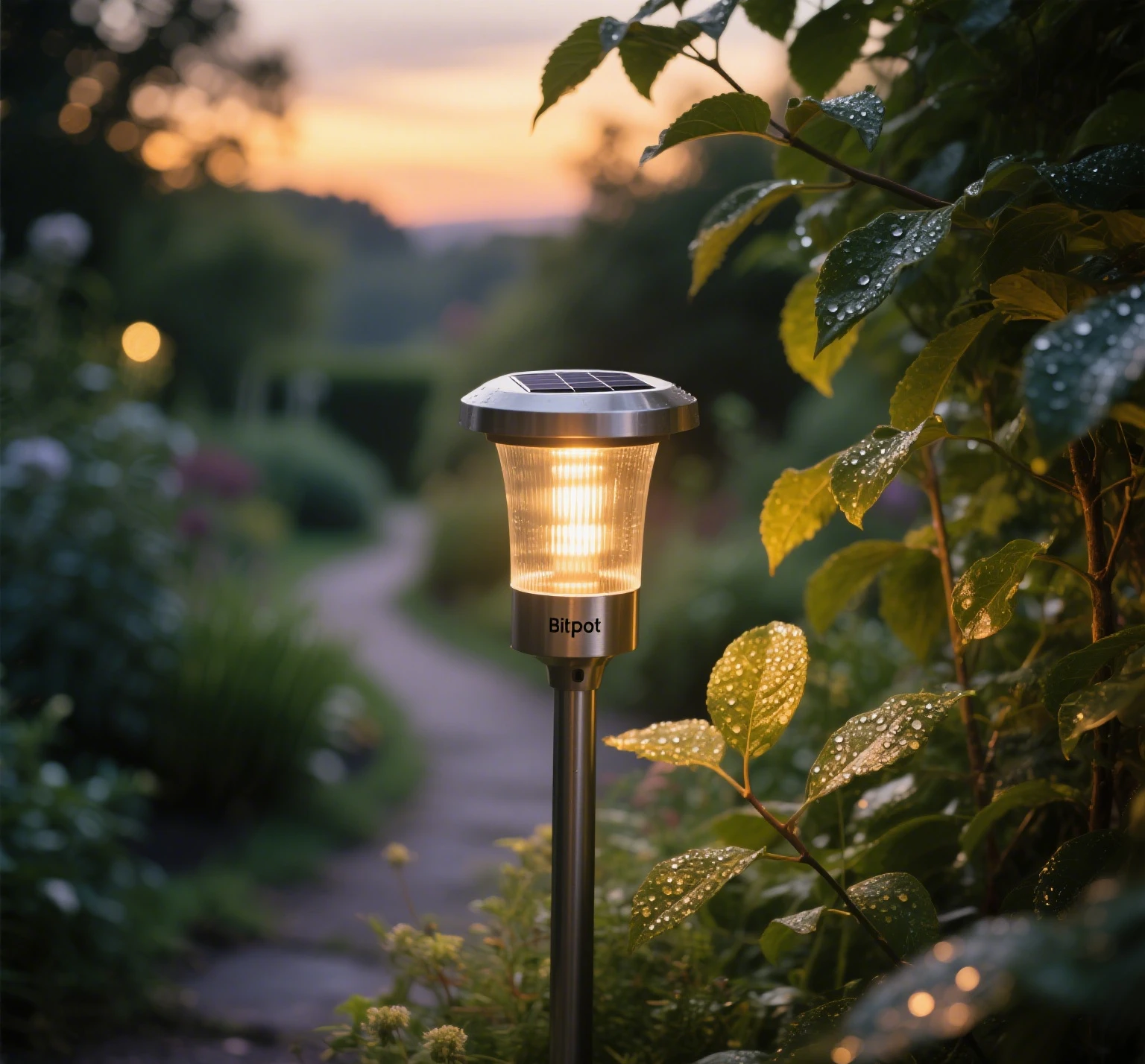
Solar lights are a sustainable and cost-effective solution for illuminating gardens, pathways, and outdoor spaces. However, cloudy days, shaded areas, or indoor use can limit their exposure to sunlight, leaving users wondering how to keep their solar lights charging effectively. This article explores practical methods to charge solar lights without sunlight, offering innovative solutions, troubleshooting tips, and maintenance advice to ensure your solar-powered lights stay functional. Drawing from extensive research and practical insights, we’ll guide you through alternative charging techniques while keeping your outdoor solar lights glowing brightly.
Understanding Solar Light Charging Needs
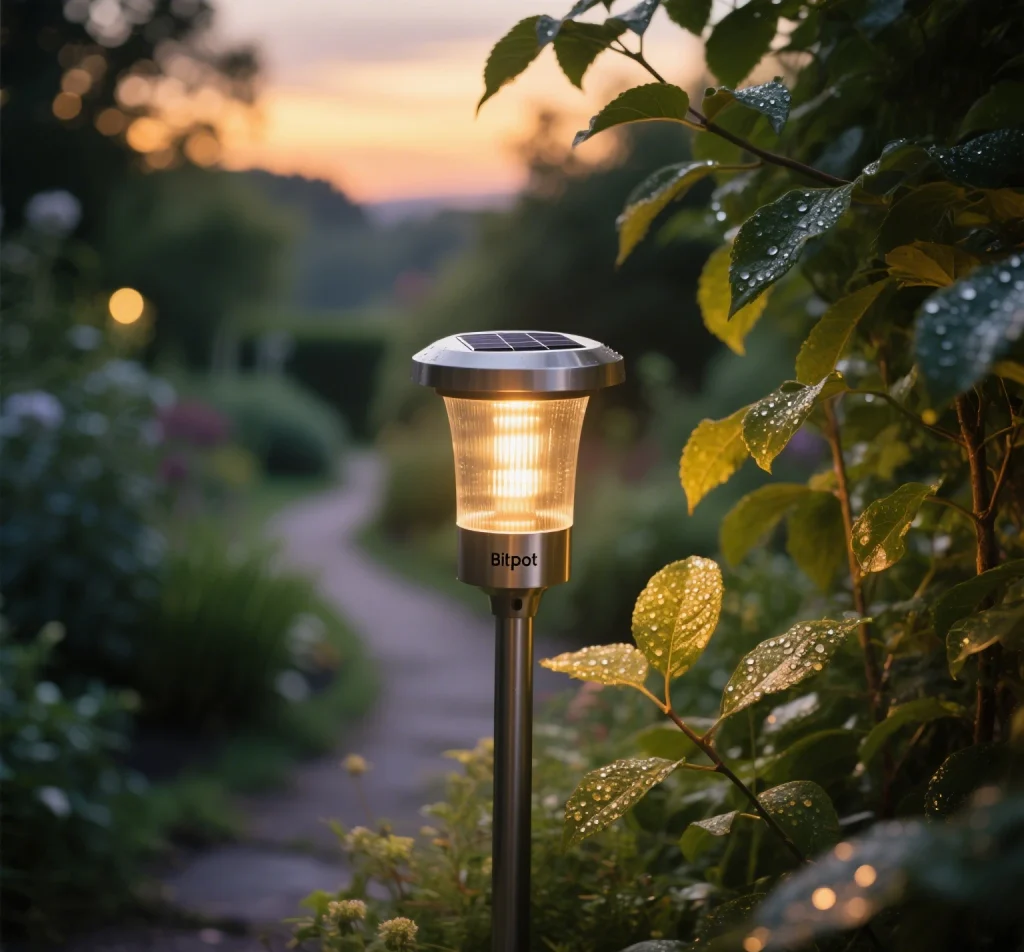
Solar garden lights rely on photovoltaic panels to convert sunlight into electricity, which is stored in rechargeable batteries, typically NiMH batteries for solar lights. Without adequate sunlight, the battery cannot charge, causing the lights to dim or fail. Fortunately, there are several ways to charge solar lights without sun, including artificial light sources, electrical charging, and strategic placement. These methods can be particularly useful in regions with long winters, frequent cloud cover, or limited outdoor space.
Methods to Charge Solar Lights Without Sunlight
1. Using Artificial Light Sources
One of the most effective ways to charge solar lights indoors is by using artificial light sources that mimic sunlight. Incandescent bulbs, halogen lamps, or high-wattage LED lights can provide enough energy to charge the solar panel, especially for smaller solar pathway lights or solar string lights.
How to Do It: Place the solar light’s panel directly under a bright artificial light source, ideally within 6-12 inches, for 8-12 hours. Incandescent bulbs (60-100 watts) or LED grow lights with a spectrum close to natural sunlight work best. Ensure the light is steady and not flickering, as inconsistent light can reduce charging efficiency. While this method may not fully charge the battery, it can provide enough power for temporary use.
Tip: Check the solar panel’s specifications in the user manual. Some solar-powered outdoor lights are more sensitive to artificial light than others, and using a high-lumen bulb can improve results.
2. Charging with a USB or External Power Source
Many modern solar outdoor lights come with a USB charging port, allowing you to bypass the solar panel entirely. This feature is common in high-end models like those from Bitpott or other reputable brands, designed for versatility in low-light conditions.
How to Do It: Locate the USB port on your solar garden lights (often found near the battery compartment or under a protective cover). Use a standard USB cable and connect it to a power bank, laptop, or wall adapter. Charge for 4-6 hours, depending on the battery capacity. This method is ideal for solar lights for indoor use or during prolonged cloudy weather.
Caution: Only use USB charging if the manufacturer specifies it’s safe for your model. Overcharging or using an incompatible charger can damage the NiMH batteries for solar lights.
3. Using Reflective Surfaces to Amplify Light
If natural sunlight is limited but not entirely absent, reflective surfaces can help maximize available light. This method is particularly useful for solar pathway lights placed in partially shaded areas.
How to Do It: Position mirrors, aluminum foil, or white reflective panels around the solar light to redirect ambient light onto the solar panel. For example, place a mirror at an angle to focus light from a nearby window onto the panel. This technique can enhance charging efficiency during overcast days or in low-light environments.
Tip: Regularly clean the reflective surfaces and the solar panel to remove dust or debris, ensuring optimal light absorption for your solar-powered lights.
4. Replacing or Charging Batteries Separately
If your solar lights not charging due to insufficient light, you can remove the rechargeable batteries and charge them separately using a compatible battery charger. This method works well for lights with removable NiMH batteries for solar lights or AA/AAA batteries.
How to Do It: Open the battery compartment and remove the batteries. Use a dedicated NiMH battery charger to fully charge them, typically taking 4-8 hours. Once charged, reinsert the batteries into the solar outdoor lights and test their performance. This approach is a reliable workaround for charging solar lights without sun during extended periods of bad weather.
Caution: Ensure the charger is designed for NiMH batteries, as using the wrong charger can cause overheating or reduce battery lifespan.
5. Using a Solar Panel Extension
For solar garden lights installed in shaded areas, a solar panel extension cable allows you to place the solar panel in a sunnier location while keeping the light where it’s needed. Some solar-powered outdoor lights come with detachable panels, making this a convenient option.
How to Do It: Purchase a compatible extension cable (check the voltage and connector type in the user manual). Connect the solar panel to the light and position the panel in a spot with better sunlight exposure, such as a rooftop or open yard. This method ensures consistent charging without relying on artificial light or USB power.
Tip: Secure the cable to avoid tripping hazards or damage from weather, especially for solar pathway lights in high-traffic areas.
Troubleshooting Common Charging Issues
If your solar lights not charging even after trying these methods, consider the following:
- Dirty Solar Panels: Dust, pollen, or bird droppings can block light absorption. Clean the panel with a soft, damp cloth to restore efficiency.
- Faulty Batteries: Brand-new solar lights for indoor use may have batteries that lost charge during storage. Test with a multimeter or replace with fresh NiMH batteries for solar lights.
- Defective Solar Panel: Inspect the panel for cracks or discoloration. If damaged, contact the manufacturer for a replacement, as most solar outdoor lights come with a warranty.
- Incompatible Light Source: Not all artificial lights work effectively. Use bulbs with a color temperature of 5000-6500K to mimic daylight for better charging.
Maintenance Tips for Optimal Performance
To ensure your solar-powered lights remain functional in low-light conditions, adopt these maintenance habits:
- Regular Cleaning: Wipe the solar panel monthly to remove debris that could hinder charging, especially for solar string lights exposed to outdoor elements.
- Battery Care: Replace NiMH batteries for solar lights every 1-2 years, as their capacity diminishes over time. Store spare batteries in a cool, dry place.
- Seasonal Adjustments: Reposition lights or solar panels seasonally to account for changes in the sun’s angle, particularly for solar pathway lights in fixed locations.
- Weather Protection: In harsh weather, consider moving portable solar lights for indoor use to a sheltered area or using USB charging to maintain battery life.
Choosing Solar Lights for Low-Light Environments
When purchasing solar garden lights, opt for models designed for versatility. Look for features like USB charging ports, detachable solar panels, or high-efficiency batteries. Brands like Bitpott often include these features, as noted in reviews from sources like Popular Mechanics for their durability and performance. Check customer feedback to ensure the lights perform well in low-light conditions, especially for solar-powered outdoor lights used in cloudy regions.
When to Seek Professional Help
If none of these methods resolve your solar lights not charging issue, it may indicate a deeper problem, such as a faulty solar panel or internal wiring issue. For complex systems like solar street lights or integrated setups, consult a professional technician. For warranty claims, contact the manufacturer with proof of purchase and a detailed description of the issue to expedite support.
Conclusion
Charging solar lights without sunlight is entirely possible with the right techniques, from artificial light sources to USB charging and reflective surfaces. By understanding your solar-powered lights and their components, you can troubleshoot issues effectively and keep them glowing even in challenging conditions. Regular maintenance, strategic placement, and choosing high-quality solar outdoor lights will ensure long-term performance, making your outdoor spaces both beautiful and energy-efficient. With these solutions, you can enjoy the benefits of solar garden lights no matter the weather or location.
Leave a Reply