


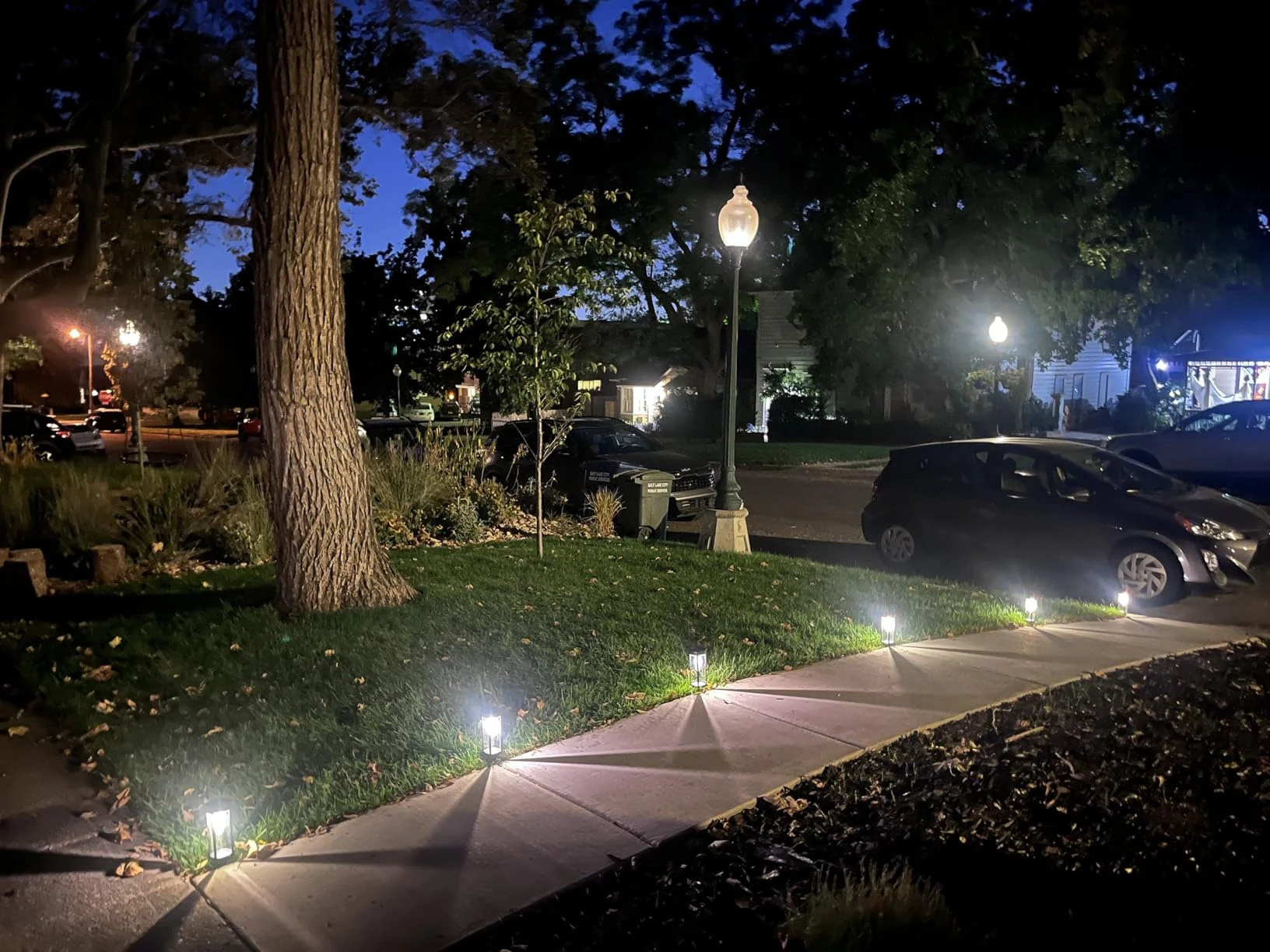
Choosing the right solar lights can be daunting when faced with technical terms like lumens, IP ratings, Ah, and Wh. These specifications are critical to understanding the performance, durability, and efficiency of solar lighting systems. This comprehensive guide breaks down these key parameters in a clear, concise manner, empowering you to make informed decisions when selecting solar lamps for your home, garden, or outdoor spaces.
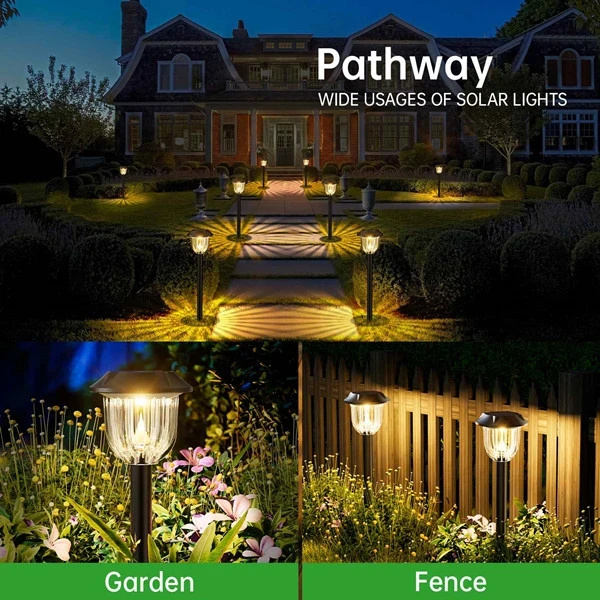
Why Solar Light Specifications Matter
The performance of solar lights depends on their components—photovoltaic panels, batteries, and LEDs—each governed by specific metrics. Understanding lumens (brightness), IP ratings (durability), Ah (battery capacity), and Wh (energy storage) ensures you choose a system that meets your lighting needs and withstands environmental conditions. This guide explains each term, its significance, and how to evaluate it when purchasing solar lighting.
Lumens: Measuring Brightness
Lumens measure the total amount of visible light emitted by a solar lamp. Unlike watts, which indicate energy consumption, lumens focus on brightness, making them a critical metric for assessing lighting performance.
How to Interpret Lumens
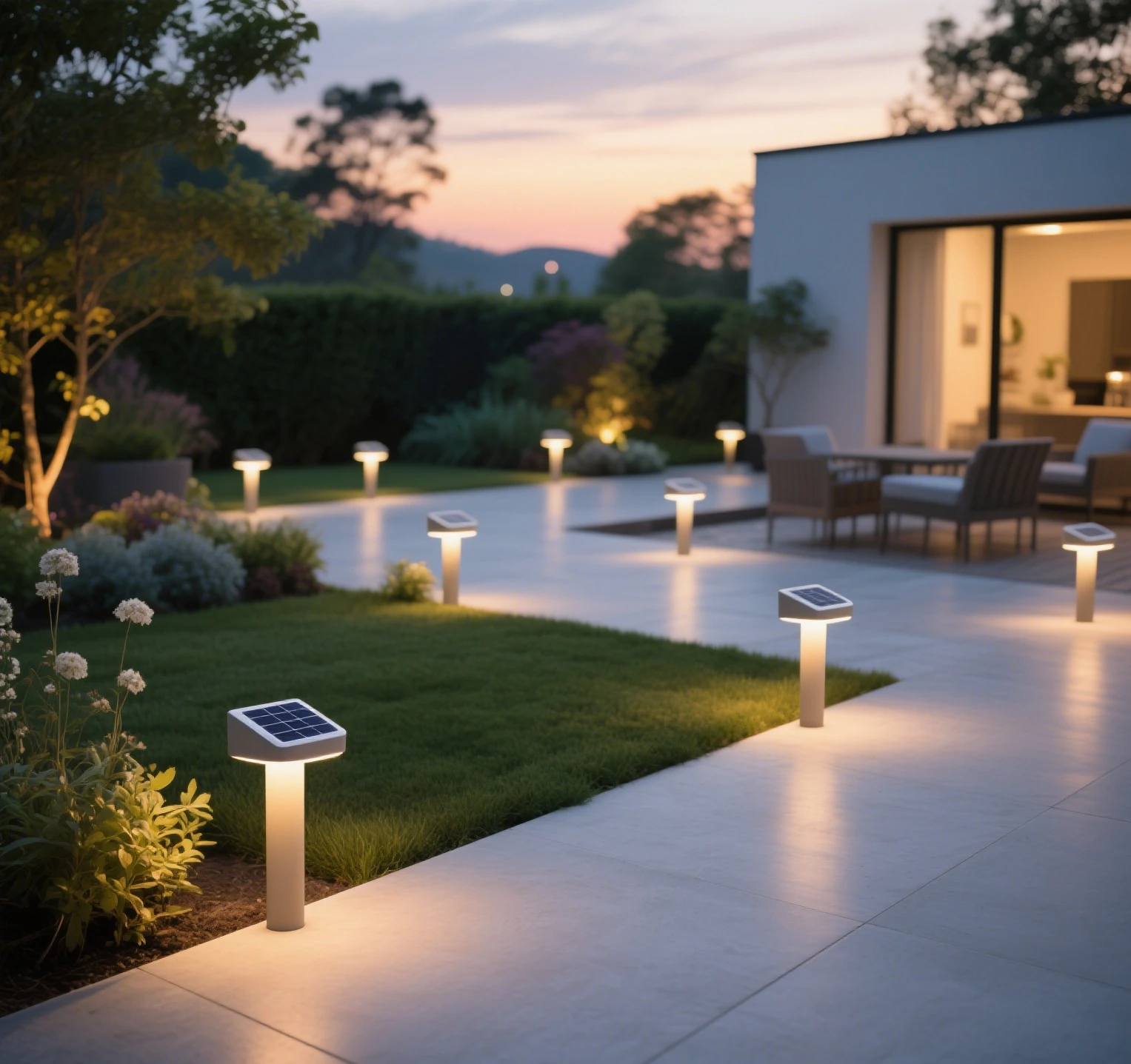
- Low Lumens (50–200): Suitable for decorative or ambient lighting, such as garden pathway lights.
- Medium Lumens (200–800): Ideal for functional lighting, like illuminating driveways or patios.
- High Lumens (800+): Best for security or floodlighting, providing bright, wide-coverage illumination.
When selecting solar lights, match the lumen output to your needs. For example, EcoFlow offers solar lamps with adjustable lumen settings for versatile applications. Check product specifications for lumen ratings and ensure they align with your intended use.
Lumens vs. Watts
In traditional lighting, watts were used to estimate brightness, but with energy-efficient LEDs in solar lighting systems, lumens are a more accurate measure. A 100-lumen LED may use only 1–2 watts, compared to 10–15 watts for an incandescent bulb, highlighting the efficiency of solar technology.
IP Ratings: Understanding Durability
The Ingress Protection (IP) rating indicates how well a solar light is protected against dust and water, crucial for outdoor applications where exposure to weather is inevitable.
Decoding IP Ratings
An IP rating consists of two digits:
- First Digit (0–6): Protection against solids like dust. A rating of 6 means complete dustproofing.
- Second Digit (0–8): Protection against water. A rating of 5 resists water jets, while 7 allows temporary submersion.
For solar lamps, aim for a minimum IP65 rating, which ensures dust-tightness and resistance to heavy rain. Brands like Goal Zero offer solar lighting with IP65 or higher ratings, ideal for harsh outdoor conditions.
Choosing the Right IP Rating
- IP44: Suitable for sheltered areas with minimal exposure to water.
- IP65: Ideal for most outdoor solar lights, protecting against rain and dust.
- IP67: Best for extreme conditions, such as coastal areas with high humidity or frequent storms.
Check the IP rating on product packaging to ensure durability in your environment.
Ah (Ampere-Hours): Measuring Battery Capacity
Ampere-hours (Ah) measure the capacity of a solar battery, indicating how much charge it can store. This is critical for solar lights, as it determines how long the light can operate without sunlight.
How Ah Impacts Performance
A higher Ah rating means the battery can store more charge, allowing longer operation. For example:
- 1–5 Ah: Suitable for small solar garden lights with low power needs.
- 5–20 Ah: Ideal for larger systems, like security or streetlights, requiring extended runtime.
When evaluating Ah, consider the solar lamp’s power consumption. A light with high lumen output may drain a low-Ah battery quickly. Brands like Renogy provide solar batteries with clear Ah ratings to match various lighting needs.
Factors Affecting Ah Performance
- Temperature: Cold weather can reduce battery efficiency, so choose solar batteries like lithium iron phosphate (LiFePO4) for better performance in low temperatures.
- Depth of Discharge (DoD): Batteries with a high DoD (e.g., 80%) allow more usable capacity, extending runtime.
Always check the Ah rating alongside the light’s power requirements to ensure sufficient runtime.
Wh (Watt-Hours): Measuring Energy Storage
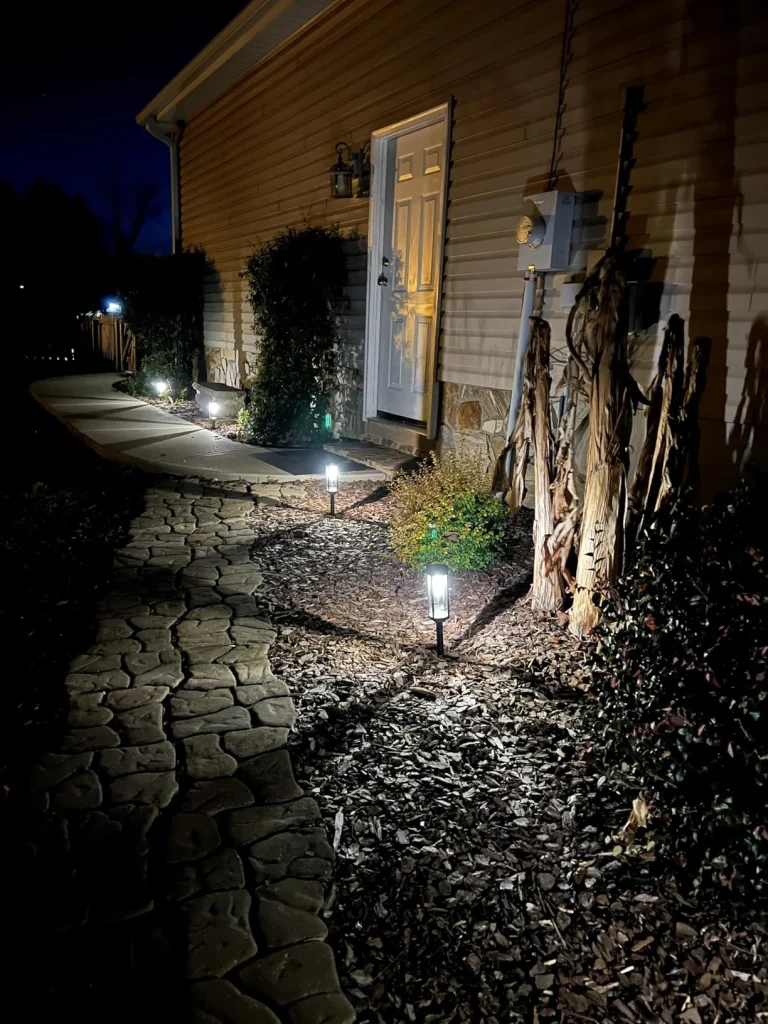
Watt-hours (Wh) measure the total energy a solar battery can store, calculated as voltage (V) × ampere-hours (Ah). This metric provides a clearer picture of energy availability for solar lighting systems.
Understanding Wh in Solar Lights
For example, a 12V battery with 10Ah has a capacity of 120Wh (12 × 10). This means it can power a 10W solar lamp for 12 hours. Wh is especially useful when comparing batteries with different voltages, as it standardizes energy capacity.
- Small Systems (10–50 Wh): Suitable for decorative solar garden lights.
- Medium Systems (50–200 Wh): Ideal for functional outdoor lighting.
- Large Systems (200+ Wh): Best for high-power applications, like floodlights.
Companies like Battle Born Batteries offer solar batteries with high Wh ratings for reliable energy storage.
Wh vs. Ah
While Ah measures charge capacity, Wh accounts for voltage, providing a more comprehensive view of energy storage. When selecting solar lights, check both Ah and Wh to ensure the battery meets your runtime needs.
How These Specs Work Together
Lumens, IP ratings, Ah, and Wh are interconnected, influencing the overall performance of solar lighting systems:
- Lumens and Wh: Higher lumens require more energy, so ensure the battery’s Wh supports the light’s brightness and runtime.
- IP Rating and Battery: A high IP rating protects the battery from environmental damage, preserving Ah and Wh capacity.
- Ah and Runtime: A higher Ah rating extends runtime, but only if the Wh matches the light’s power demands.
When shopping, compare these specs holistically. For example, a solar lamp with 500 lumens, IP65 rating, and 100Wh battery is well-suited for bright, durable outdoor lighting.
Practical Tips for Choosing Solar Lights
To select the best solar lights, follow these steps:
- Define Your Needs: Determine the lighting purpose (decorative, functional, or security) to guide lumen and Wh requirements.
- Check Environmental Conditions: Choose a high IP rating for wet or dusty areas to protect solar panels and batteries.
- Match Battery to Runtime: Ensure the Ah and Wh ratings support the desired operating hours, especially in low-sunlight regions.
- Read Product Specs: Look for clear lumen, IP, Ah, and Wh ratings on product descriptions from trusted brands like EcoFlow.
- Consider Advanced Features: Opt for solar lights with smart controllers or motion sensors to optimize energy use and enhance performance.
Common Misconceptions About Solar Light Specs
- More Lumens = Better: High lumens may be unnecessary for small spaces and can drain batteries faster.
- Higher IP = Always Better: IP67 is overkill for sheltered areas; IP65 is often sufficient.
- Ah Alone Determines Runtime: Without considering Wh, Ah can be misleading, as voltage impacts energy availability.
Understanding these nuances helps you avoid overspending on overpowered systems or underperforming solar lamps.
Case Study: Optimizing Solar Lighting for a Community Park
In a recent project in Portland, Oregon, a community park installed solar garden lights with 400 lumens, IP65 ratings, 10Ah, and 120Wh batteries. The lights provided reliable illumination for pathways, withstanding heavy rain and maintaining 8-hour runtimes. This case highlights the importance of balancing specs for specific applications, ensuring both performance and durability.
Cost and Efficiency Considerations
While high-spec solar lights may have higher upfront costs, they offer long-term savings. LiFePO4 solar batteries last 10–15 years, compared to 3–5 years for lead-acid, reducing replacement costs. Additionally, solar lighting systems eliminate electricity bills, making them cost-effective for outdoor use.
When budgeting, explore brands like Goal Zero for compact, high-performance solar lamps or Renogy for scalable solar power systems. These brands provide clear spec details, ensuring you get value for your investment.
Environmental Benefits of Solar Lighting
Solar lights reduce reliance on fossil fuels, lowering carbon emissions and supporting sustainability. By choosing systems with high-efficiency solar panels and durable batteries, you contribute to a greener future while enjoying reliable outdoor lighting.
Conclusion
Understanding lumens, IP ratings, Ah, and Wh is key to selecting effective solar lights. By evaluating brightness, durability, and energy storage, you can choose systems that meet your needs and withstand environmental challenges. Explore trusted brands like Battle Born Batteries and EcoFlow for high-quality solar lighting systems, and use this guide to make informed decisions for safe, efficient, and sustainable outdoor illumination.
Leave a Reply