


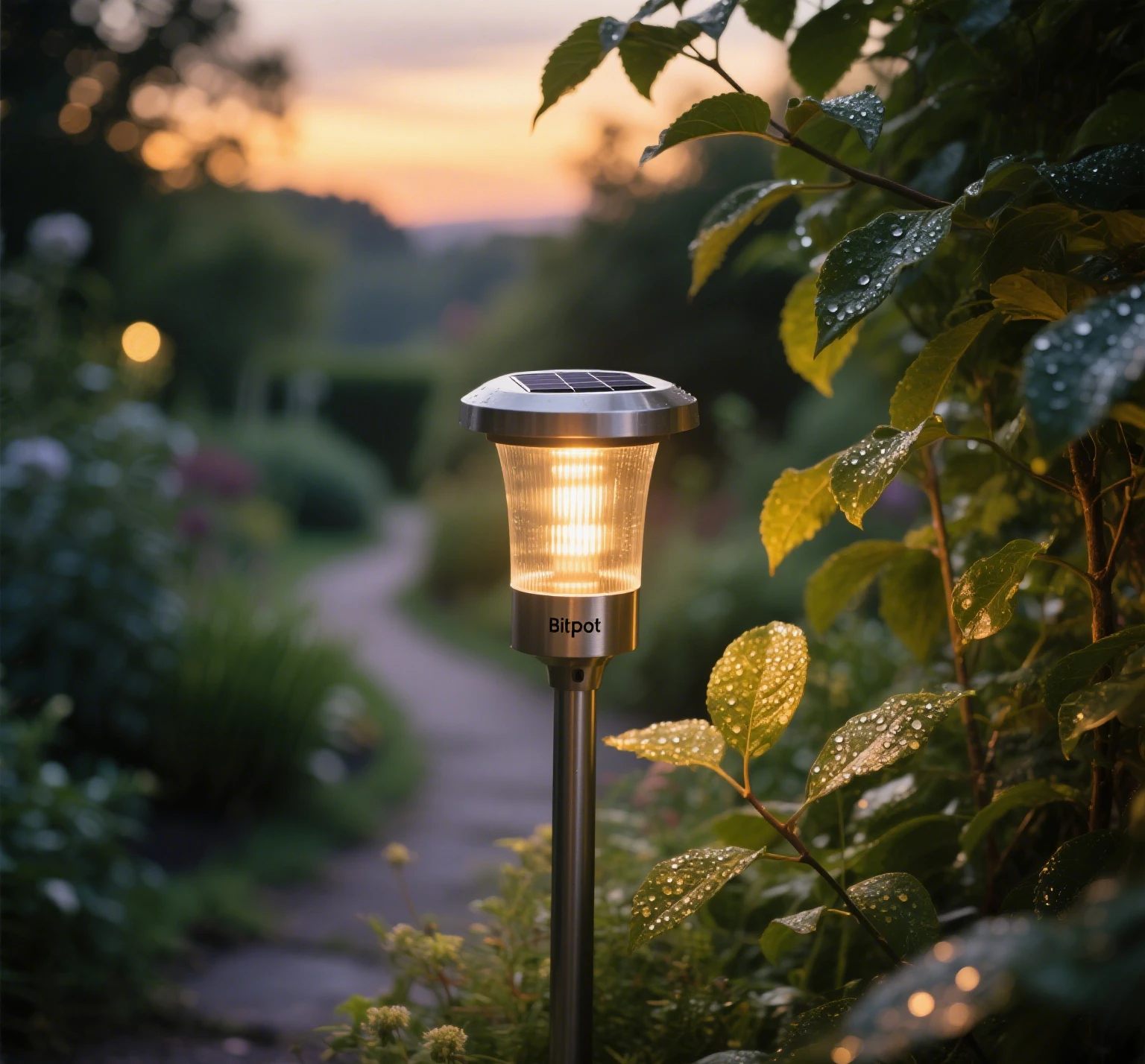
Your new solar spotlight lights up your driveway like a stadium, but your neighbor complains it’s blinding, and the birds in your backyard seem to have vanished. Sound familiar? These are signs of solar lamp light pollution, a growing issue in North American suburban neighborhoods where bright lights disrupt sleep, annoy neighbors, and confuse wildlife. As your eco-friendly home guide, I’ll break down the types of light pollution, their impacts on people and nature, and how to choose low light pollution lamps that balance your needs with environmental kindness. Let’s ditch the “brighter is better” myth and create a yard that glows responsibly!

What Is Light Pollution and Why Does It Matter?
Light pollution happens when artificial light, like from solar lamps, spills where it’s not needed or wanted, affecting humans, animals, and even plants. It’s not just about a too-bright yard—it can mess with your sleep, irritate neighbors, and make life harder for birds and bugs. By understanding the three main types of solar lamp light pollution—glare, light trespass, and over-illumination—you can pick low light pollution lamps that keep your space functional and eco-friendly.
Types of Light Pollution and How to Fix Them
Solar lamps, from pathway lights to spotlights, can create light pollution if poorly designed or misused. Here’s a breakdown of the three main types, their impacts, and how to choose lamps that minimize harm:
- Glare: The Blinding Flash
What it is: Glare is intense, uncontrolled light that dazzles eyes, like a solar spotlight without a shade beaming into your neighbor’s window. It reduces visibility and can cause discomfort or even accidents.
Impact on humans: Glare disrupts sleep by flooding bedrooms with harsh light, raising stress and reducing rest quality.
Impact on ecology: Bright glare confuses nocturnal animals like bats, making it harder for them to navigate or hunt.
Real-world example: A solar spotlight on your garage in a Seattle suburb might blind drivers on the street, increasing safety risks.
Solution: Choose lamps with anti-glare features, like lenses or shields that focus light downward. For example, a spotlight with a glare-reducing lens keeps your driveway lit without dazzling passersby.
Pro tip: Look for “shielded” or “anti-glare” labels on solar spotlights or fence lights. - Light Trespass: Spilling Light Where It’s Not Wanted
What it is: Light trespass occurs when light spills beyond your property, like a tall solar lamp shining into a neighbor’s yard or a park.
Impact on humans: Unwanted light in bedrooms disrupts melatonin production, leading to poor sleep, especially in kids or seniors.
Impact on ecology: Spilled light disorients migrating birds, drawing them off course, or attracts insects to unnatural areas, disrupting food chains.
Real-world example: A high-mounted solar wall light in your Arizona backyard might light up your neighbor’s patio, keeping them awake.
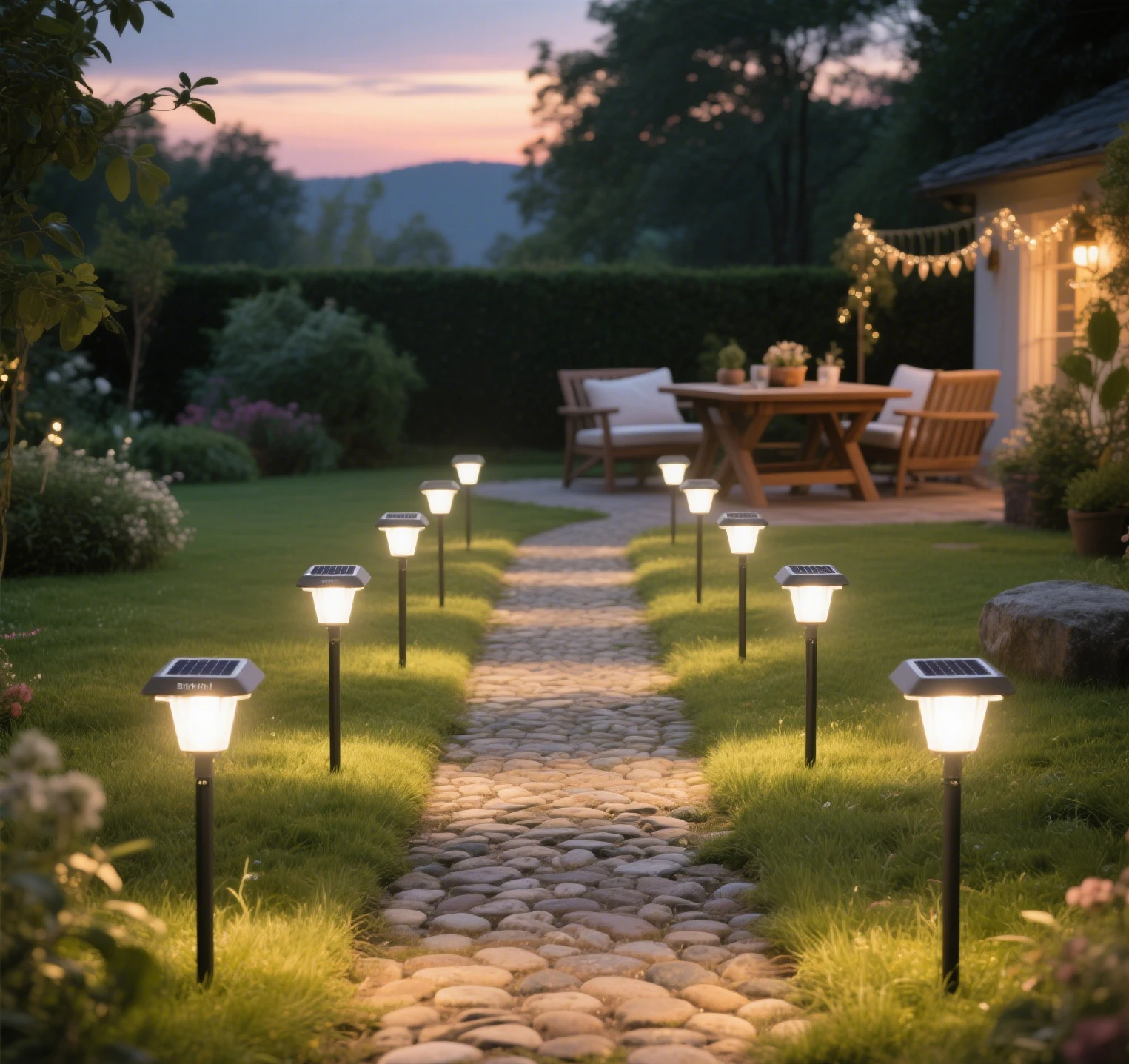
Solution: Opt for low light pollution lamps with downward-directed light, like wall-mounted or pathway lights that focus beams where needed.
Pro tip: Choose lamps with adjustable angles to aim light precisely, like directional fence lights that avoid spilling into adjacent yards. - Over-Illumination: Lights That Never Sleep
What it is: Over-illumination is when lamps stay bright all night, like a solar floodlight running from dusk to dawn without dimming.
Impact on humans: Constant light exposure at night can mess with your body clock, causing fatigue or insomnia.
Impact on ecology: All-night bright lights make insects lose their way, exhausting them or drawing them to predators, and disrupt bird nesting by mimicking endless daylight.
Real-world example: A Minnesota solar garden light burning at full brightness until dawn might stop local fireflies from mating.
Solution: Pick lamps with timer functions or motion sensors that dim or turn off after, say, 10 PM. For instance, a pathway light that dims at midnight reduces solar lamp light pollution.
Pro tip: Look for “motion-activated” or “timer-controlled” lamps to cut unnecessary light.
Ecological Impacts: How Light Affects Wildlife
Solar lamps don’t just light your yard—they affect local ecosystems. The color and timing of light play a big role in how much harm is done:
- Warm White vs. Cool White: Warm white light (2700K-3000K) attracts insects losing their way more than cool white (5000K-6000K), as bugs are drawn to yellowish glows. However, cool white disrupts human sleep more due to its blue tones.
Eco-friendly choice: Use warm white for decorative string lights but keep them dim or timed to reduce insect attraction. For example, a 2700K string light that dims after 10 PM is kinder to bugs. - Red Light for Birds: Bright white lights, especially cool white, confuse migrating birds, pulling them off course or into urban hazards. Red or amber light has the least ecological impact on birds.
Eco-friendly choice: For garden or fence lights near trees, consider amber-toned LEDs (around 2000K) to minimize bird disruption. - Timing Matters: Continuous bright light mimics daylight, tricking birds into thinking it’s not time to sleep or nest, and exhausting insects.
Eco-friendly choice: Use timer-function lamps that lower brightness late at night or motion sensors that only light up when needed.
Quick Tip: Check lamp color temperature (K value) and look for “wildlife-friendly” or “low-impact” labels to reduce ecological impacts.
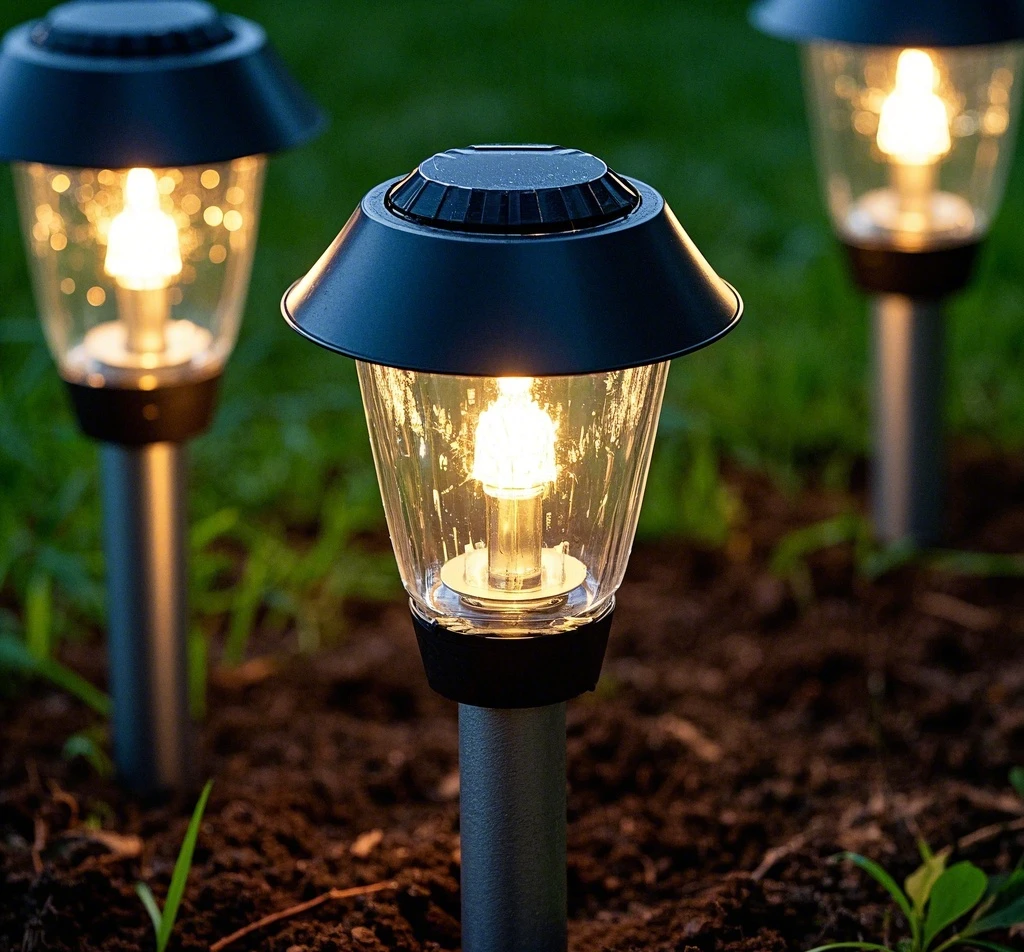
Choosing Low Light Pollution Solar Lamps: A Practical Guide
Picking the right low light pollution lamp means balancing your lighting needs with kindness to neighbors and nature. Here’s a step-by-step guide to selecting eco-friendly solar lamps:
- Prioritize Shielded Lamps
Why it helps: Shields or hoods block upward light, reducing glare and light trespass.
What to look for: Lamps labeled “fully shielded” or with anti-glare lenses, like spotlights with hoods or downward-facing pathway lights.
Example: A shielded solar spotlight for your driveway keeps light on the ground, not in your neighbor’s eyes. - Choose Adjustable Angles
Why it helps: Adjustable lamps let you aim light exactly where needed, minimizing spill.
What to look for: Lamps with tiltable heads, like directional fence lights or wall lights with swivel mounts.
Example: A Texas homeowner adjusts a solar wall light to light their patio without hitting the neighbor’s window. - Opt for Timer or Motion-Sensor Features
Why it helps: Timers or sensors reduce over-illumination by dimming or turning off lights when not needed, saving energy and cutting solar lamp light pollution.
What to look for: Lamps with “motion-activated” or “timer-controlled” settings, like pathway lights that dim after 10 PM.
Example: A Minnesota pathway light with a motion sensor only glows when someone walks by, sparing local wildlife. - Select the Right Brightness and Color
Why it helps: Lower lumens (20-100lm for decor, 100-200lm for paths) and warmer colors (2700K-3000K) reduce ecological impact and glare.
What to look for: Lamps with adjustable brightness or warm/amber tones, like string lights for ambiance or amber fence lights for bird-friendly yards.
Example: A 2700K, 50lm string light creates a cozy California patio vibe without drawing every moth in the neighborhood. - Check for Durability in Your Climate
Why it helps: Durable lamps (IP65 or higher) last longer, reducing waste and the need for frequent replacements that add to light pollution.
What to look for: Weatherproof lamps with UV-resistant coatings for sunny areas or freeze-resistant designs for cold climates.
Example: An IP68 solar water feature light in a rainy Seattle yard stays functional without adding to light pollution.
Quick Reference Table: Choosing Low Light Pollution Lamps
| Lamp Type | Features to Look For | Best For | Eco-Benefit |
|---|---|---|---|
| String Lights | Warm white (2700K), timer, 20-50lm | Patio ambiance | Less insect attraction |
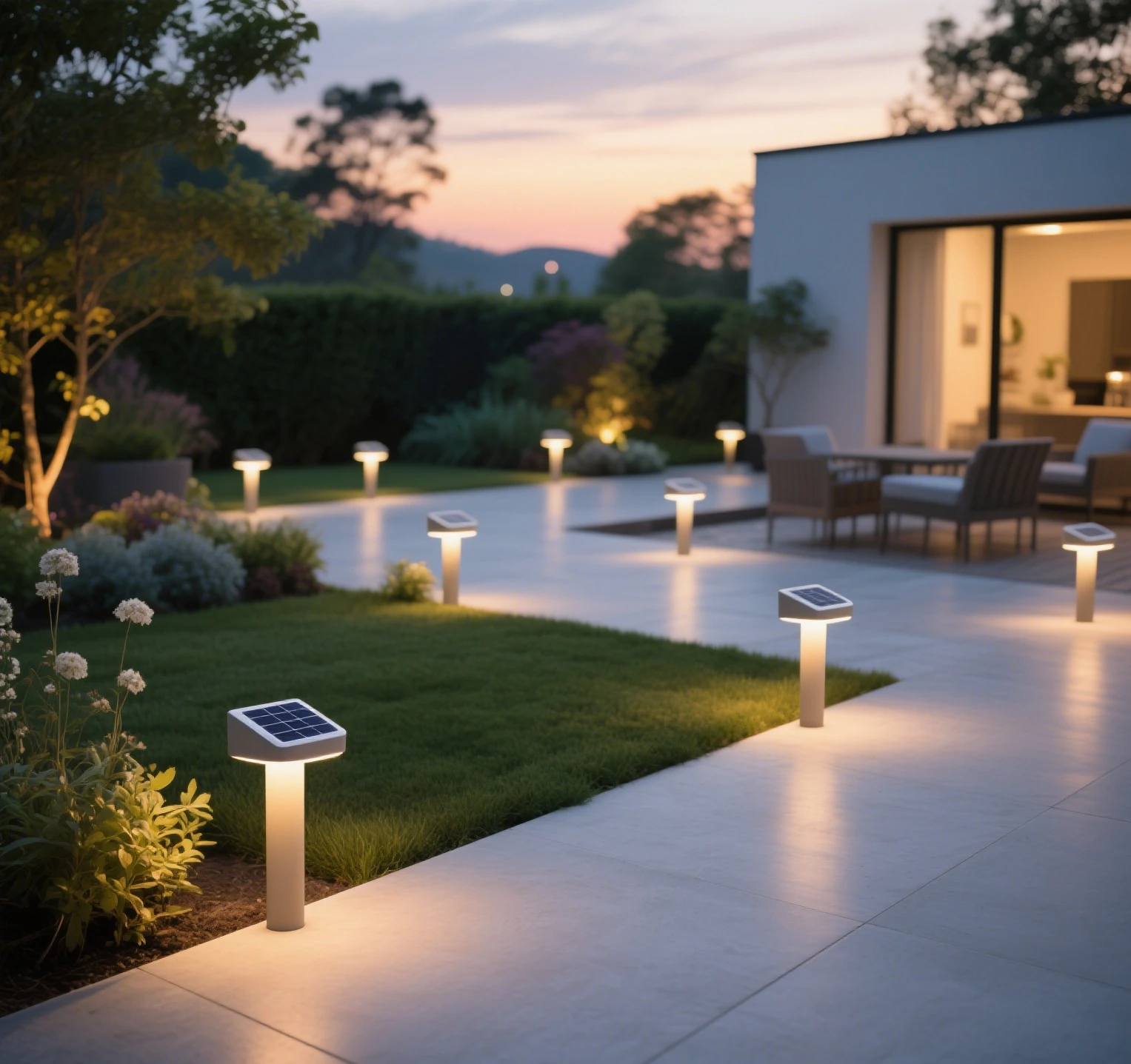
| Pathway Lights | Downward light, motion sensor, 100-200lm | Walkway safety | Reduces light trespass |
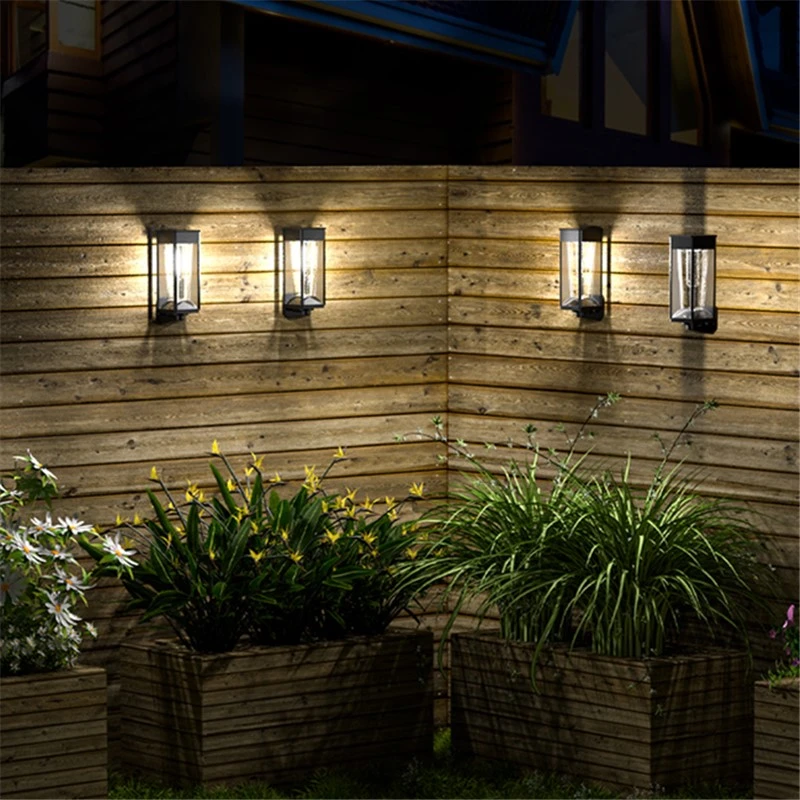
| Fence Lights | Adjustable angle, amber light, shielded | Garden borders | Bird-friendly, low glare |
| Spotlights | Anti-glare lens, timer, 200-500lm | Driveway lighting | Minimizes glare and spill |
Real-World Scenarios: Applying Low Light Pollution Choices
Here’s how to pick low light pollution lamps for two common suburban setups:
- Cozy Patio in California: You want solar string lights for evening gatherings. Choose 2700K, 50lm lights with a timer to dim after 10 PM, reducing insect attraction. Add anti-glare shades to keep light on your patio, not your neighbor’s yard.
- Bird-Friendly Garden in Minnesota: Your backyard hosts nesting birds, but you need fence lights for safety. Pick amber-toned (2000K), adjustable-angle lights with motion sensors to minimize ecological impact and avoid disturbing birds or neighbors.
Avoiding Common Light Pollution Traps
Manufacturers may push “ultra-bright” lamps that worsen solar lamp light pollution. Here’s how to spot and avoid pitfalls:
- “Brighter Is Better” Claims: A 1000lm spotlight might sound great but causes glare and light trespass. Stick to 100-200lm for most home uses.
- Unshielded Lamps: Lamps without shields send light everywhere, increasing solar lamp light pollution. Always check for “shielded” or anti-glare features.
- No Timer or Sensor: All-night bright lamps waste energy and harm wildlife. Look for timer-function or motion-activated models.
- Cold White Overuse: 5000K+ lights disrupt sleep and wildlife more. Opt for 2700K-3000K or amber for eco-friendliness.
Wrapping Up: Light Your Yard, Not the World
Choosing low light pollution solar lamps is about lighting your space without disturbing neighbors or nature. By tackling glare with anti-glare shields, stopping light trespass with downward beams, and reducing over-illumination with timers or sensors, you create a yard that’s functional and kind. Warm or amber lights and smart features like motion sensors further cut ecological impacts, helping birds and bugs thrive. Whether it’s string lights for a cozy patio or fence lights for a safe garden, pick lamps that balance your needs with environmental care. Light smart, and your yard will glow as a beacon of responsibility!
Leave a Reply