


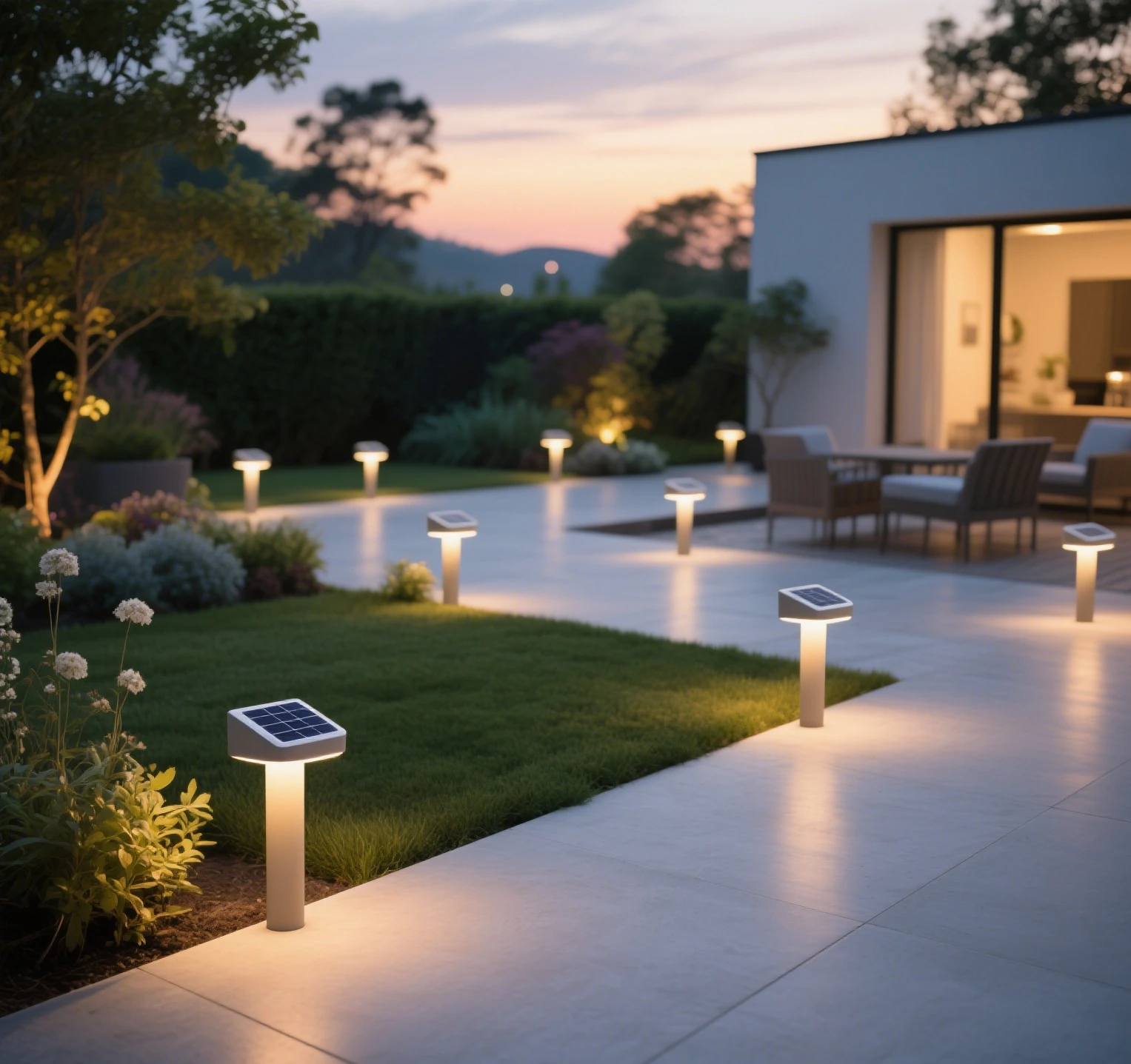
Solar lights are a game-changer for homeowners looking to brighten their yards sustainably, but in North America, Homeowners Associations (HOAs) often throw a wrench into the plan. Strict rules on everything from lamp height to brightness can turn a simple lighting project into a bureaucratic hassle. The good news? Smart product design and a little foresight can bridge the gap between HOA regulations and user desires, keeping your yard both beautiful and compliant. Here’s how solar lights can strike that balance.
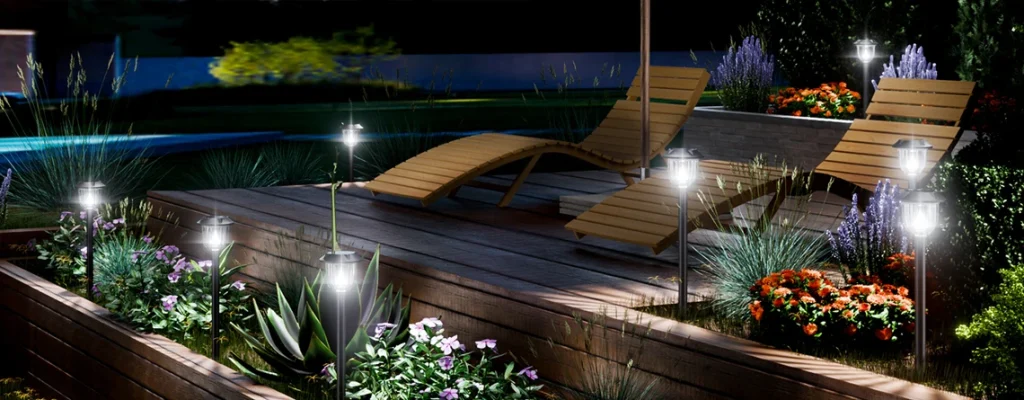
Why HOAs Are So Picky About Lighting
HOAs exist to keep neighborhoods looking cohesive, which often means tight rules on outdoor aesthetics. For solar lights, this translates to restrictions like:
- Height limits: Most HOAs cap lamp poles at 1.2 meters to avoid a cluttered skyline.
- Brightness caps: Typically, 300 lumens or less to prevent 2glare that annoys neighbors.
- Color restrictions: No vibrant reds or blues—stick to neutral tones like warm or cool white.
The pain point? Homeowners want lights that are functional and stylish, but one wrong move, and you’re hit with a violation notice. The trick is designing solar lights that check HOA boxes while still delivering on user needs like safety and ambiance.
Designing for Compliance Without Sacrificing Style
Smart solar light designs can make compliance feel effortless. Manufacturers are catching on, creating products that align with HOA rules while keeping users happy. Here’s what’s working:
- Adjustable height poles: Garden lamps with poles that slide between 60-120 cm let users tweak height to meet HOA limits without losing coverage.
- Neutral color options: Offering only warm white (2700-3000K) or cool white (5000-6000K) ensures lights blend into the neighborhood’s vibe, dodging bans on high-saturation colors.
- Modular designs: Some solar lights come with interchangeable heads, so users can switch between spotlights for paths or soft glows for gardens, all within HOA guidelines.
These features mean you don’t have to choose between a well-lit yard and staying on the HOA’s good side. It’s about flexibility—products that adapt to rules while still letting homeowners express their style.
Minimizing Light Pollution for Neighborly Peace
Light pollution is a big HOA concern, especially when bright beams hit neighbors’ windows. Solar lights designed with low-disturbance features can keep everyone happy. Key innovations include:
- Anti-glare lenses: Path lights with shielded lenses direct light downward, illuminating walkways without blinding anyone nearby.
- Low-lumen options: Keeping brightness at or below 300 lumens ensures enough light for safety without turning your yard into a runway.
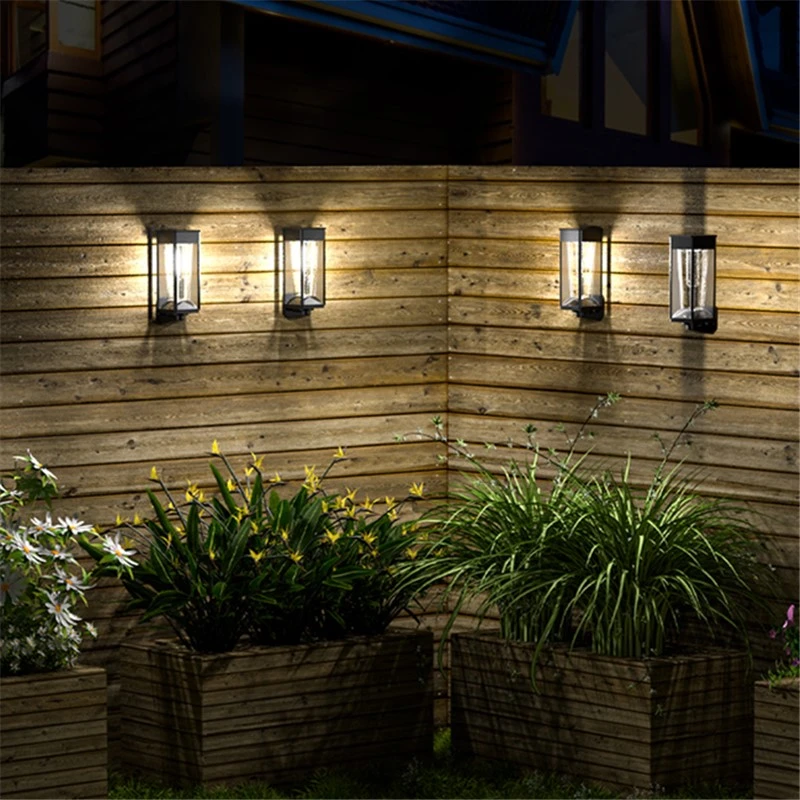
- Hidden installations: Decorative lights embedded in lawns or along fences stay discreet, blending into the landscape instead of sticking out like a sore thumb.
These tweaks don’t just help with HOA approval—they also make your lights less likely to spark complaints from neighbors, which is half the battle in tight-knit communities.
Simplifying the HOA Approval Process
Getting HOA approval can feel like navigating a maze, but solar light manufacturers are stepping up with tools to ease the process. Some brands now include:
- Compliance templates: Pre-made forms that highlight key specs, like “light pollution level ≤1” or “non-invasive installation” (no digging that damages lawns).
- Detailed spec sheets: Clear documentation on height, brightness, and color temperature makes it easier to prove your lights meet HOA standards.
- User guides: Tips on presenting your lighting plan to the HOA board, like emphasizing eco-friendly benefits of solar power.
These resources cut down on back-and-forth with the HOA, saving homeowners time and frustration. It’s a small but impactful way to make compliance less of a headache.
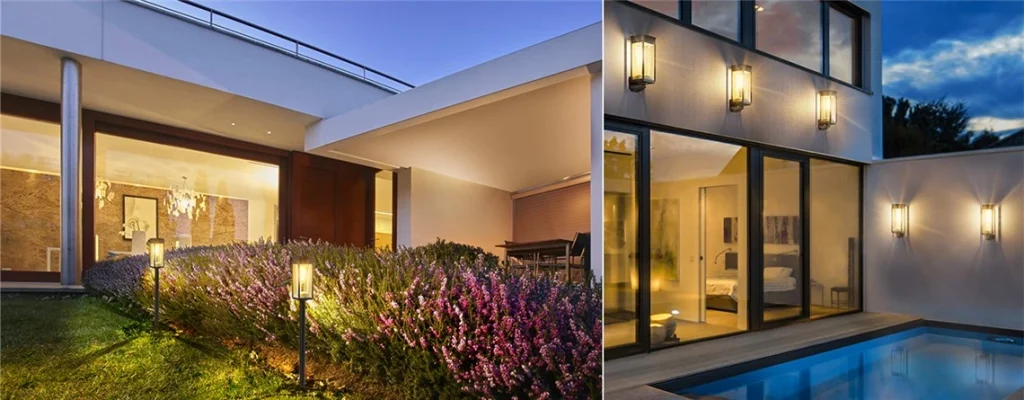
Real-World Success: A California Case Study
Take a community in California’s Bay Area, where HOA rules were notoriously strict. Homeowners wanted solar lights but kept hitting roadblocks—rejections due to height or glare were common. Then, a local supplier introduced a combo of adjustable-height garden lamps (60-120 cm) and low-glare path lights (200 lumens, warm white). The results?
- Approval rates soared: 80% of applications sailed through, compared to 30% with older designs.
- Fewer complaints: Anti-glare lenses meant no more grumpy neighbors reporting “light trespass.”
- User satisfaction: Homeowners loved the flexibility to adjust pole heights for different yard layouts.
This case shows how thoughtful design can turn a regulatory minefield into a win-win. The HOA got a uniform look, and residents got lights that worked for them.
Cutting Communication Costs with Smart Design
The less time you spend arguing with your HOA, the better. Solar lights designed with compliance in mind reduce the need for endless emails or meetings. Here’s how:
- Pre-emptive compliance: Lights that already meet common HOA rules (height ≤1.2 m, brightness ≤300 lm) mean fewer rejections.
- Clear documentation: Providing HOA-ready spec sheets upfront answers questions before they’re asked.
- User-friendly installs: Lights that don’t require permanent fixtures or lawn damage sidestep debates about “property alterations.”
By building these features into the product, manufacturers take the burden off homeowners. You’re not just buying a light—you’re buying peace of mind.
Looking Ahead: The Future of HOA-Friendly Solar Lights
As solar tech evolves, so does its ability to mesh with HOA demands. Emerging trends include:
- Smart controls: Lights with dimmable settings or motion sensors that adjust brightness to stay under HOA limits while maximizing energy savings.
- Integrated aesthetics: Designs that mimic traditional lanterns or blend into landscaping, making them less likely to raise HOA eyebrows.
- Community packages: Some brands now offer “HOA-approved” kits tailored to specific neighborhood rules, streamlining bulk purchases for entire communities.
These advancements point to a future where solar lights don’t just comply with HOA rules—they enhance them, making neighborhoods safer and more sustainable without sacrificing curb appeal.
Wrapping Up: A Bright Path Forward
HOAs don’t have to be the bad guy in your solar lighting dreams. With adjustable designs, low-glare tech, and approval-friendly documentation, modern solar lights are built to keep both homeowners and their associations happy. The key is choosing products that prioritize compliance without skimping on function or style. Whether it’s a California suburb or a Florida gated community, these solutions prove you can light up your yard, stay eco-friendly, and keep the HOA off your back—all at once.
Leave a Reply