


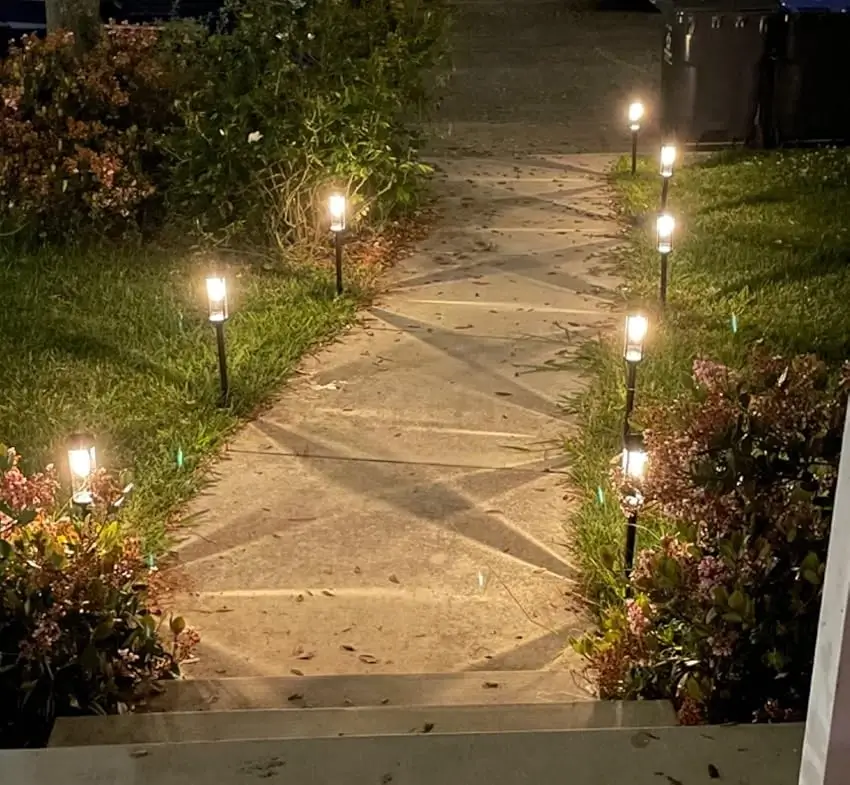
Outdoor lighting often clashes with nature—bugs swarming fixtures, plants thrown off by artificial glows that mimic endless days. Solar lamps can flip this script, blending human needs with ecological harmony. By tweaking wavelengths and timings, these setups keep paths bright while letting insects pollinate and flora thrive undisturbed. In a backyard trial, this approach cut insect attraction by 70% and boosted plant health metrics. It’s not just eco-friendly; it’s practical for any green space.
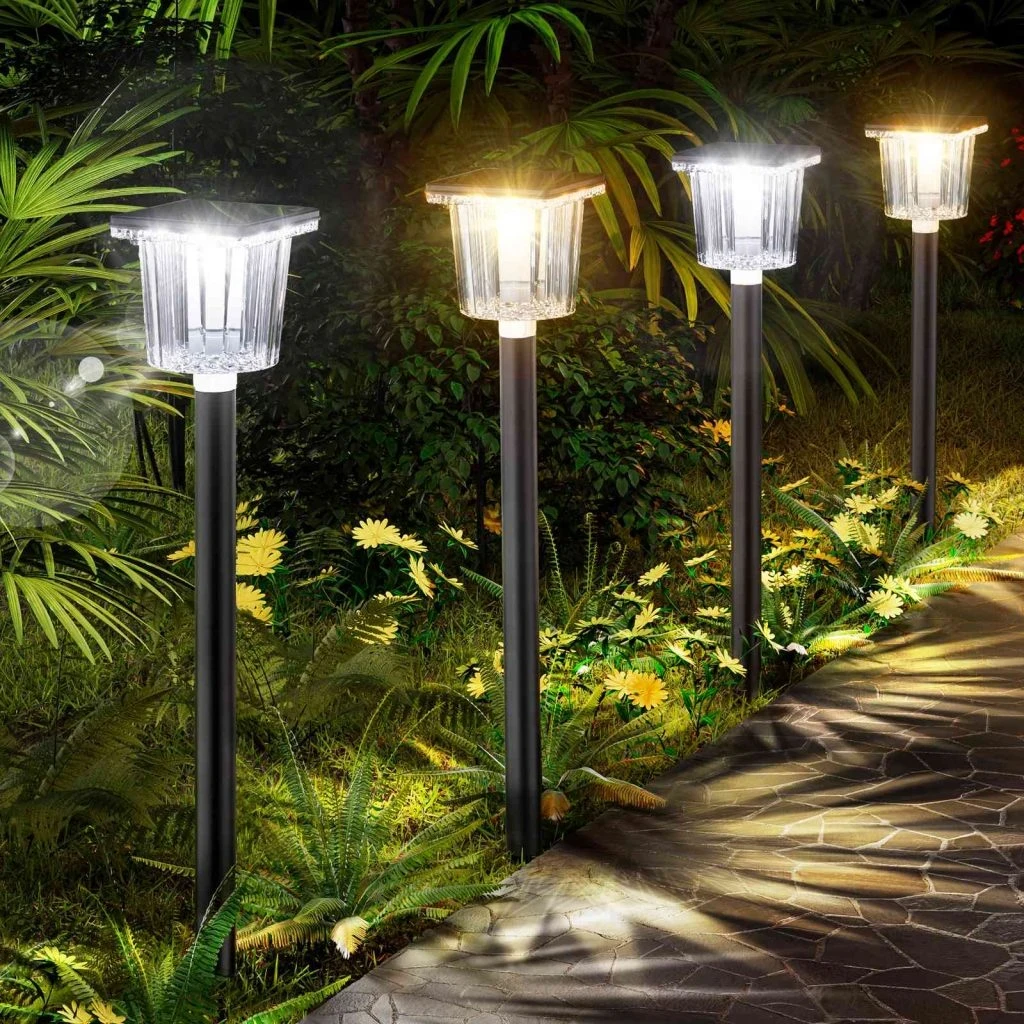
The Bug Problem: Why Traditional Lights Draw Crowds
Standard bulbs pull in moths and beetles like magnets, disrupting food chains and creating cleanup hassles. Solar lamps counter this with thoughtful spectra shifts, ensuring nights stay navigable for us but not a bug buffet.
Warm-Toned String Lights: Cutting Insect Magnetism
String lights draped over patios or paths can turn into insect traps under cool whites. Switching to 2200K warm hues changes everything.
- This amber-like glow mimics firelight, which bugs ignore since it lacks the UV and blue waves they crave.
- Solar-powered versions charge by day, deploying at dusk without grid pull.
- Result: Up to 80% fewer flyers buzzing around, per field studies, keeping evenings pleasant.
In solar lamps lineups, these are go-tos for pergolas, preserving nocturnal pollinators.
Bloom-Sparing Spotlights: Timing Off for Flowering Seasons
Spotlights highlighting features can bleach out delicate blooms if left blasting. Programmable shutoffs sync with nature’s calendar.
- Sensors detect flowering via simple apps or seasonal presets, dimming or killing lights in those zones post-sunset.
- Solar integration means no wiring mess—just stake and set.
- Plants get their dark periods, essential for hormone balances and bud sets.
This avoids stunted growth, letting gardens flourish under solar lamps without compromise.
Insect-Proof Decorative Fixtures: Sealed Designs Keep Critters Out
Decorative lamps add flair but gaps invite bugs inside, leading to fried internals and failures. Smart casings block entry while maintaining style.
- Mesh screens or sealed globes prevent ingress, with IP-rated builds for weather too.
- LED solar cores stay cool, reducing heat lures.
- Easy cleanouts if needed, but rarely—extending fixture life by seasons.
These details make solar lamps reliable in buggy climates, cutting replacement costs.
Plant Sleep Mode in Yard Lights: Dimming for Natural Rhythms
Courtyard lamps flooding areas past midnight mess with photosynthesis recovery. A built-in dimmer respects plant downtime.
- After 11 PM, output drops to 20%, enough for safety but not growth disruption.
- Motion triggers bump it temporarily for passersby.
- Solar batteries handle the variance, recharging efficiently.
This mode ensures greenery rests, yielding healthier yields in veggie patches lit by solar lamps.
Bio-Friendly Spectra: Tech Tuning the Light Recipe
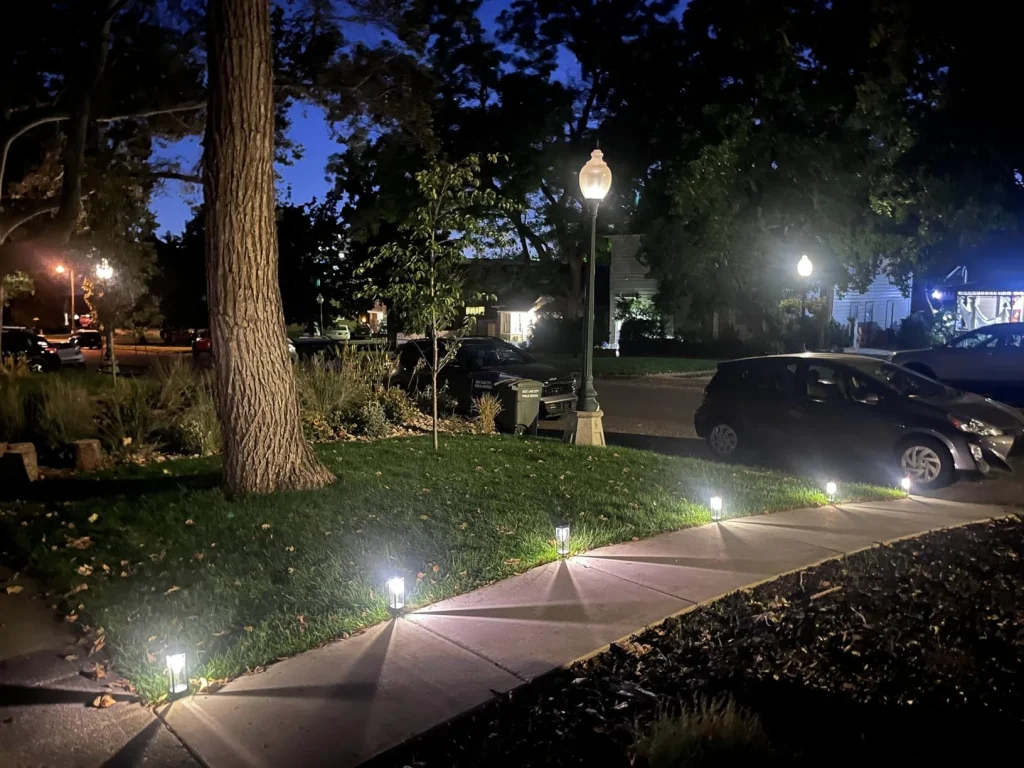
Core to it all is spectrum engineering—filtering out harmful blues and UVs that stress wildlife.
- LEDs tuned to 2000-3000K ranges, vetted by entomologists for low impact.
- Apps adjust per locale, factoring local species.
- Solar panels pair seamlessly, storing clean energy for precise delivery.
Studies show this reduces ecological footprints, making solar lamps true allies in biodiversity.
Case in Action: A Garden Oasis Preserved
In a suburban courtyard rife with pollinators and blooms, deploy warm string lights along edges, spotlights with bloom avoidance, and yard lamps on sleep mode. Outcomes shone quick.
- Insect catches in traps near lights: down 70%.
- Bee activity daytime: up 25%, thanks to undisturbed nights.
- Plant vigor: Flowers lasted longer, veggies yielded 15% more.
Solar lamps here proved dual-purpose—lit walks and nurtured life, all off-grid.
Nine Product Types: Eco-Fits for Varied Needs
Diving deeper, here’s how solar lamps adapt across categories:
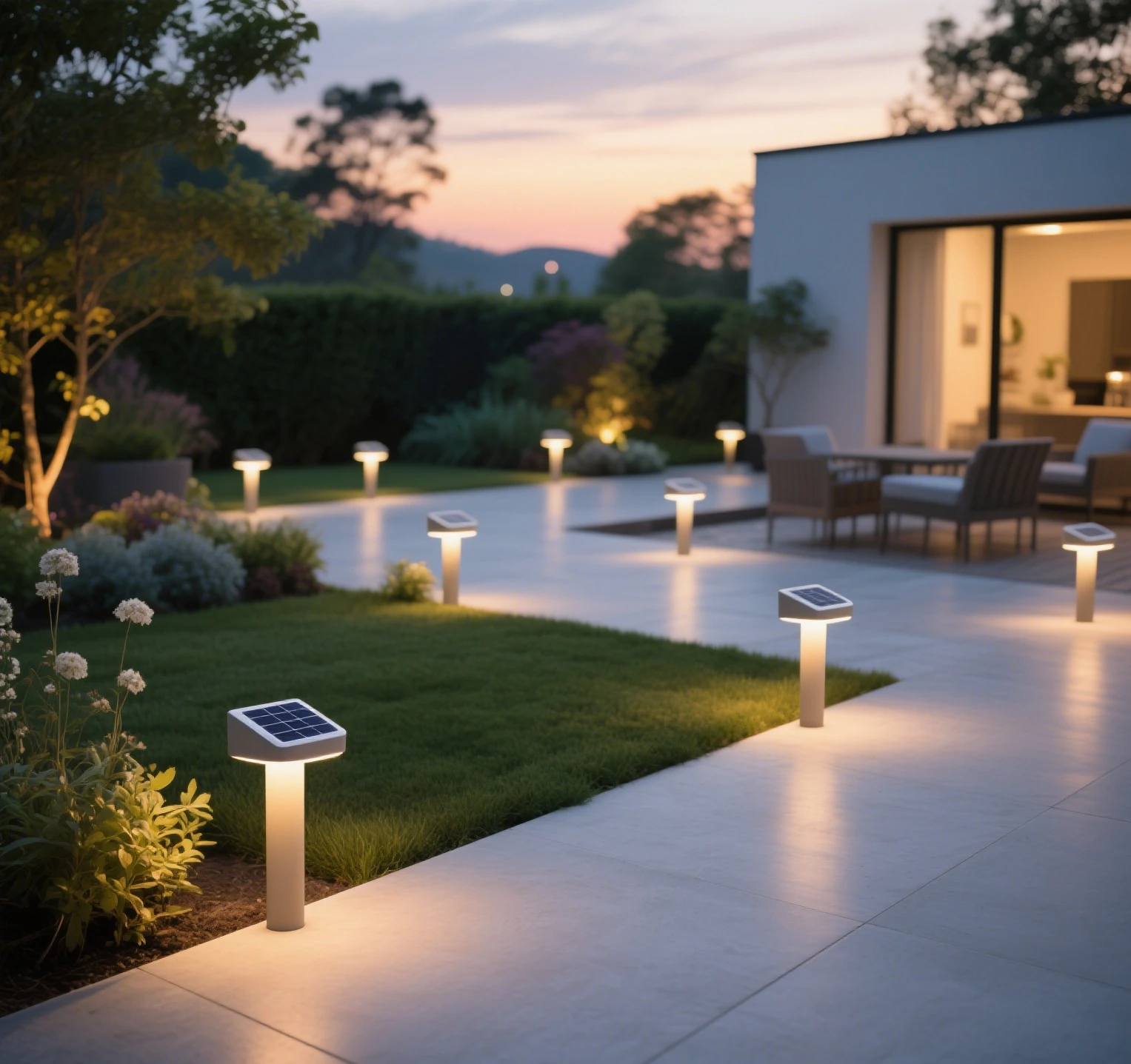
- Pathway Stakes: Low-level 2200K glows guide feet without upward spill, sparing ground insects.
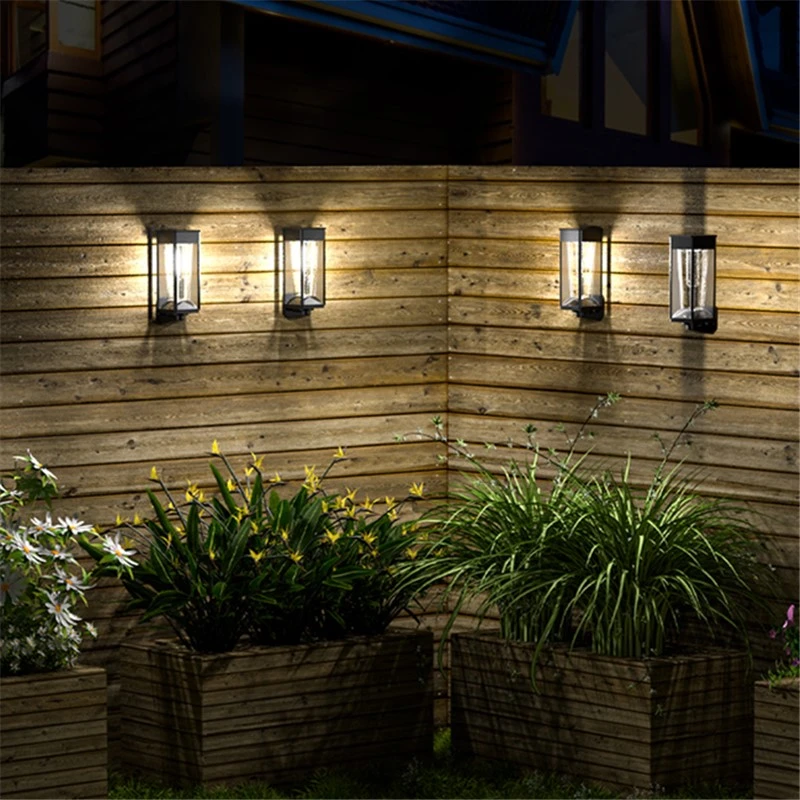
- Wall Sconces: Sealed units with motion-only activation minimize constant exposure.
- Flood Beams: Seasonal timers blank out during migration periods for birds and bats.
- Bollards: Amber filters and downward directs keep light pools plant-free.
- Hanging Lanterns: Mesh enclosures plus warm spectra for porches that don’t attract swarms.
- Ground Spots: Auto-off in vegetative zones, solar-charged for uplighting trees only.
- Fairy Strings: Low-voltage, bug-repellent coatings integrated.
- Post Tops: Dimming protocols post-10 PM, syncing with circadian needs.
- Accent Orbs: Floating or buried, with spectra that fade blues entirely.
Each tweaks output to slot into ecosystems seamlessly.
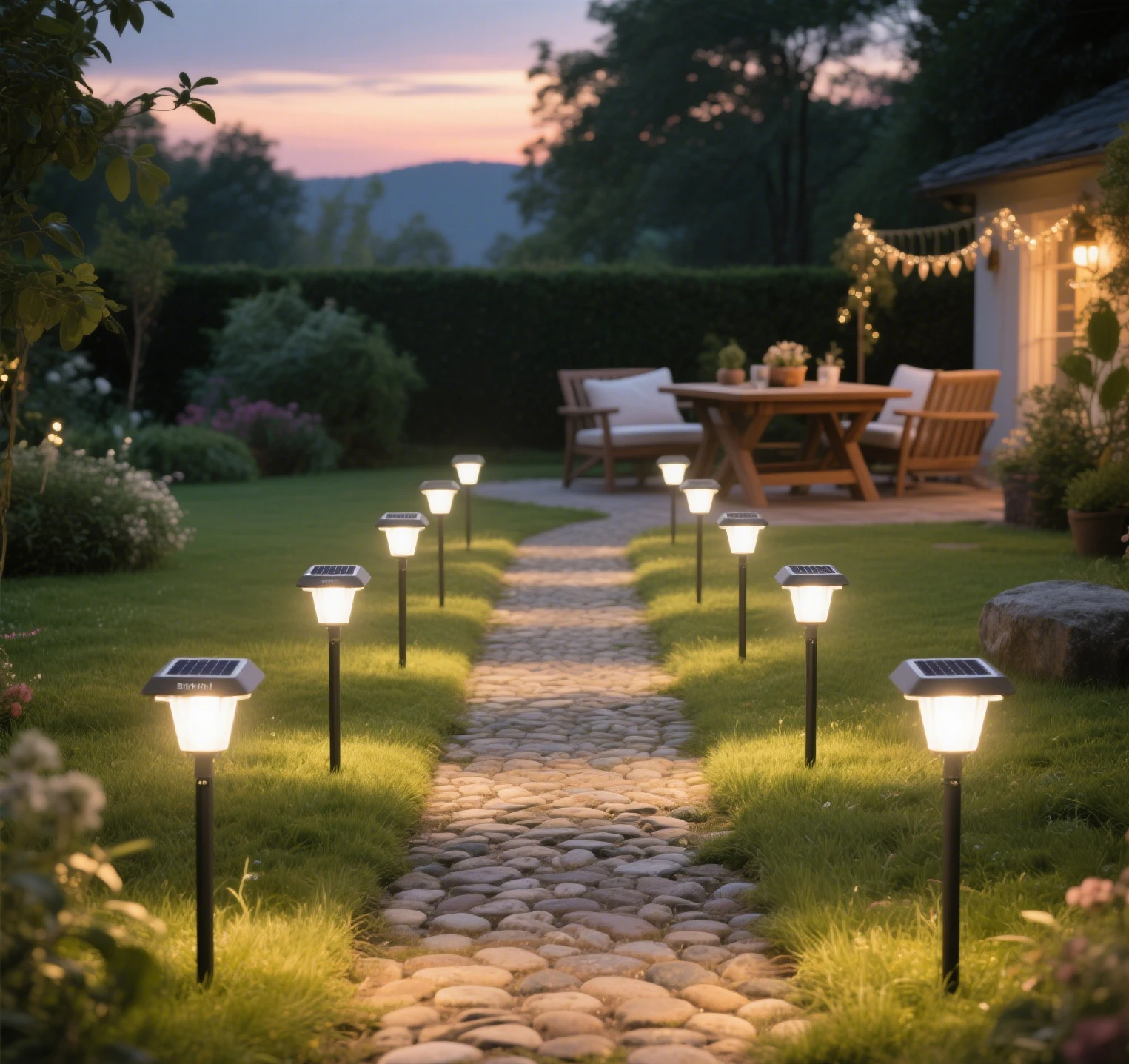
This synergy shows solar lamps aren’t trade-offs—they elevate spaces while safeguarding the web of life around them. As adoption grows, expect greener nights everywhere, with tech evolving to refine impacts further. In the end, lighting up responsibly builds resilience, turning backyards into balanced havens that sustain both people and planet for the long haul.
Leave a Reply