


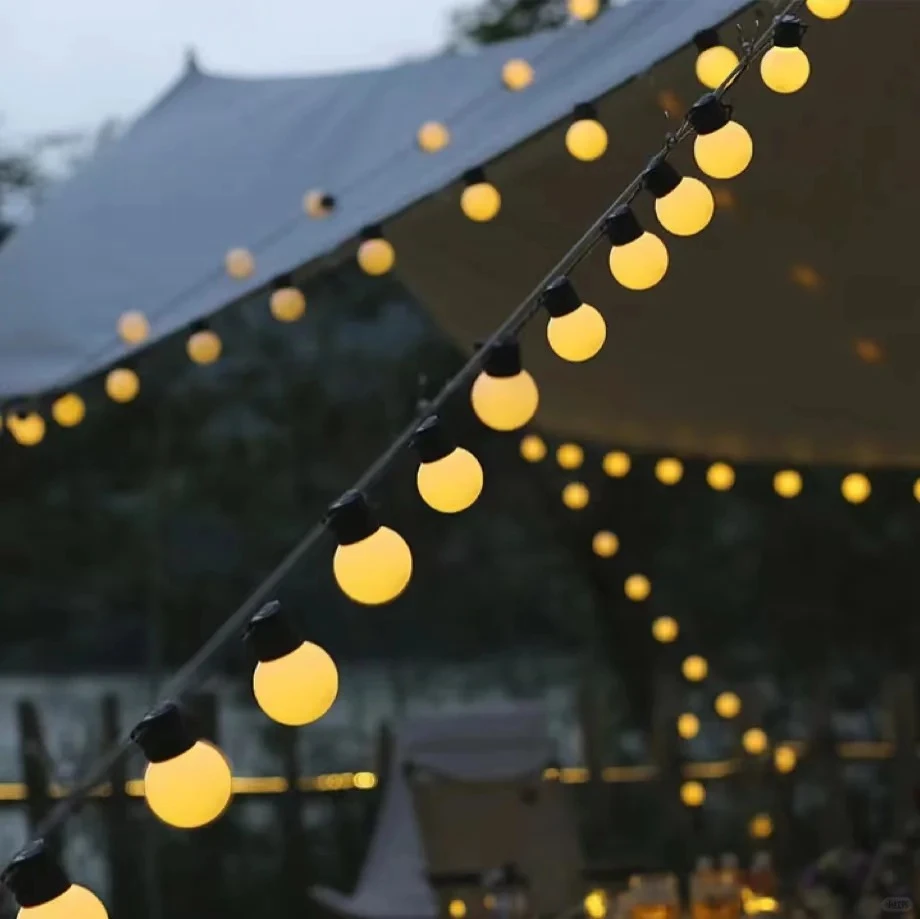
Solar string lights have surged in popularity as an eco-friendly, cost-effective solution for illuminating outdoor spaces like gardens, patios, and pergolas. Their reliance on solar energy eliminates the need for electrical outlets, offering flexibility in placement and a sustainable way to enhance ambiance. A common question among users is whether it’s possible to connect solar string lights together to cover larger areas or create more elaborate displays. This article explores the feasibility of connecting solar string lights, the technical considerations, safety precautions, and creative ways to maximize their impact, drawing on industry insights and practical guidance to provide a comprehensive resource.
Understanding How Solar String Lights Work
Solar string lights operate by capturing sunlight through a solar panel, which charges a rechargeable battery during the day. At night, the stored energy powers LED bulbs, delivering bright, energy-efficient illumination. Each set typically includes a single solar panel connected to a string of lights, designed to operate independently. The ability to connect solar string lights together depends on the design of the lights, the capacity of the solar panel, and the battery power available to support additional strings.
Most solar string lights are low-voltage systems, operating at 5V, 12V, or 24V, which makes them safer than traditional mains-powered lights. However, connecting multiple strings requires careful consideration of electrical load, compatibility, and installation to ensure optimal performance and safety. Let’s dive into the key factors to consider when attempting to link solar string lights.
Can You Connect Solar String Lights Together?
Yes, it is often possible to connect solar string lights together, but the process depends on the specific design and features of the lights. According to a 2023 article from SolarReviews, many solar string lights are designed with connectors that allow multiple strings to be linked, creating a longer chain powered by a single solar panel. This is particularly common with solar fairy lights or LED string lights intended for decorative purposes. However, not all models support this feature, and there are limitations to consider.
Types of Connectors for Solar String Lights
Some solar string lights come with built-in connectors, such as male and female plugs, that allow you to link multiple strings end-to-end. For example, brands like Brightech and Sunlite offer models with weatherproof connectors rated IP44 or higher, ensuring durability in outdoor conditions. These connectors are typically designed to handle the low-voltage output of solar-powered lights, making it easy to extend the length of your lighting setup.
However, not all solar string lights are compatible with each other. A 2024 post on Reddit’s r/solar community noted that mixing brands or models can lead to issues like mismatched voltage or incompatible connectors. To avoid problems, check the product specifications for details on connectable solar lights and ensure all strings are from the same manufacturer or designed to work together.
Limitations of Connecting Solar String Lights
While connecting solar string lights is feasible, there are practical limits to how many strings can be linked. The solar panel and rechargeable battery have a finite capacity, typically measured in watt-hours or milliamp-hours (mAh). Adding more strings increases the electrical load, which can strain the battery power and result in dimmer lights or shorter runtimes. For instance, a 2023 guide from The Spruce indicated that most solar string lights can support up to two or three additional strings, depending on the solar panel’s wattage (typically 1W–5W) and battery capacity (usually 600–2000 mAh).
Overloading the system can also lead to overheating or reduced lifespan of the components. To determine how many strings you can connect, check the manufacturer’s guidelines, which often specify the maximum number of connectable strings or total wattage supported. For example, a solar panel rated at 3W might support up to 100 LED bulbs across two strings, but adding a third could exceed the panel’s capacity.
Technical Considerations for Connecting Solar String Lights
To successfully connect solar string lights together, several technical factors must be addressed to ensure compatibility and performance.
Voltage and Wattage Compatibility
Each string of solar string lights has a specific voltage and wattage requirement. When connecting multiple strings, ensure that the total power demand does not exceed the solar panel’s output. For example, if each string consumes 1W and the ** solar panel** produces 4W, you can safely connect up to four strings. Exceeding this limit can cause the lights to flicker or fail, as noted in a 2024 article from EnergySage.
Battery Capacity
The rechargeable battery must have sufficient capacity to power all connected strings throughout the night. A battery with 1000 mAh can typically support 50–100 LED bulbs for 6–8 hours, but adding more strings may reduce runtime. To mitigate this, choose lights with high-capacity batteries or consider using a larger solar panel to charge multiple batteries.
Connector Types and Weatherproofing
Ensure that the connectors are compatible and designed for outdoor use. Weatherproof connectors with ratings like IP44 or IP65 protect against rain, dust, and humidity, which is critical for outdoor lighting. Poorly sealed connectors can lead to corrosion or short circuits, especially in wet climates. A 2023 review from Bob Vila emphasized the importance of checking for IP65-rated solar lights when planning to connect multiple strings for extended outdoor setups.
Wiring and Distance
The distance between the solar panel and the connected strings can affect performance. Long wire runs can lead to voltage drop, reducing brightness. To minimize this, position the solar panel close to the lights and use high-quality, low-resistance wiring. Some advanced solar string lights include extension cables to maintain performance over longer distances.
Safety Precautions When Connecting Solar String Lights
Safety is paramount when linking solar string lights. While low-voltage systems reduce the risk of electrical hazards, improper connections or overloading can still cause issues. Here are key safety tips:
- Follow Manufacturer Guidelines: Always check the product manual for instructions on connecting strings and maximum load limits.
- Inspect Components: Before connecting, examine the solar panel, rechargeable battery, and wiring for damage or wear. Replace faulty components to prevent electrical hazards.
- Use Weatherproof Connectors: Ensure all connections are sealed to protect against moisture and debris, especially for outdoor lighting.
- Avoid Overloading: Do not exceed the recommended number of strings to prevent overheating or battery drain.
- Secure Installation: Use clips or hooks to secure lights and prevent strain on connectors, which could lead to disconnection or damage.
A 2024 CPSC report highlighted that improper connections in decorative lighting can lead to overheating, though this is rare with solar-powered lights due to their low voltage. Adhering to UL 588 or CSA C22.2 NO. 37-20 standards ensures that your connectable solar lights meet rigorous safety criteria.
Creative Ways to Use Connected Solar String Lights
Connecting solar string lights opens up a range of creative possibilities for enhancing outdoor spaces. Here are some ideas inspired by design trends and user insights from platforms like Pinterest and Houzz:
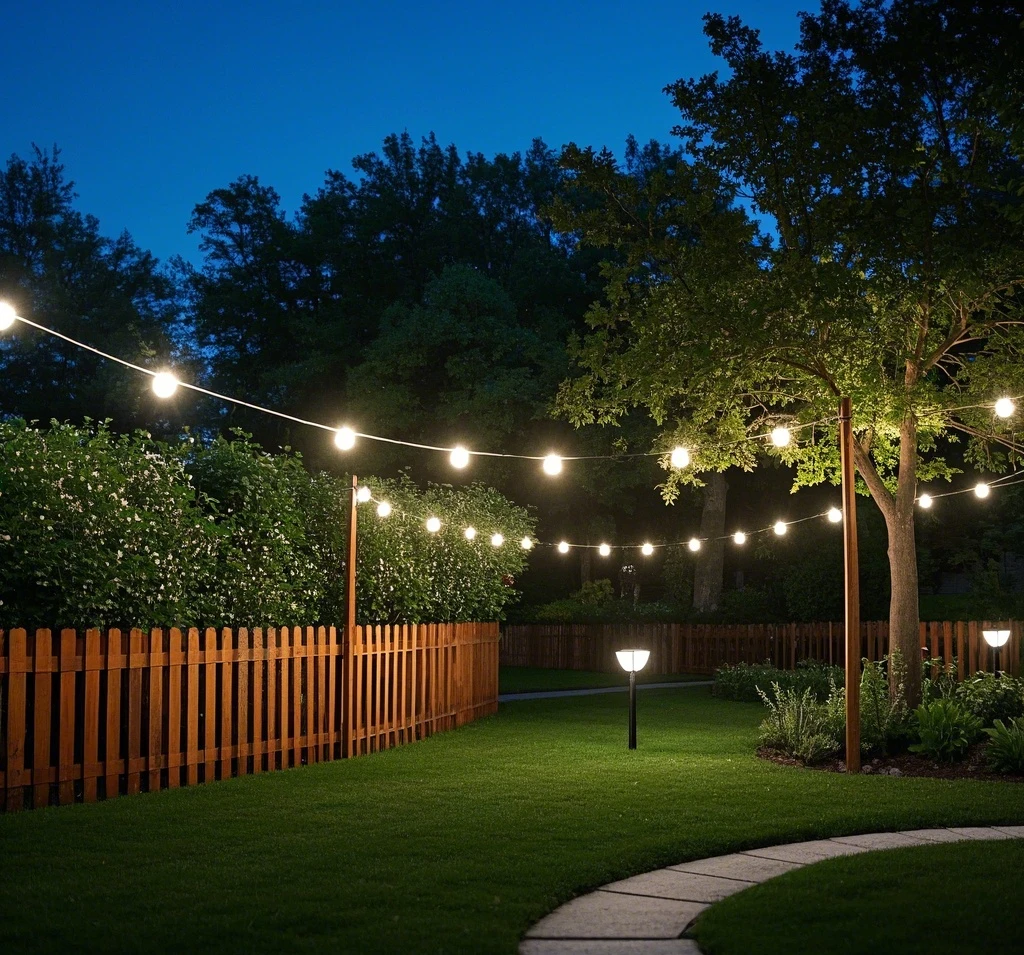
- Pergola or Patio Displays: Drape multiple strings across a pergola or patio to create a warm, inviting atmosphere. Use solar fairy lights for a delicate, twinkling effect.
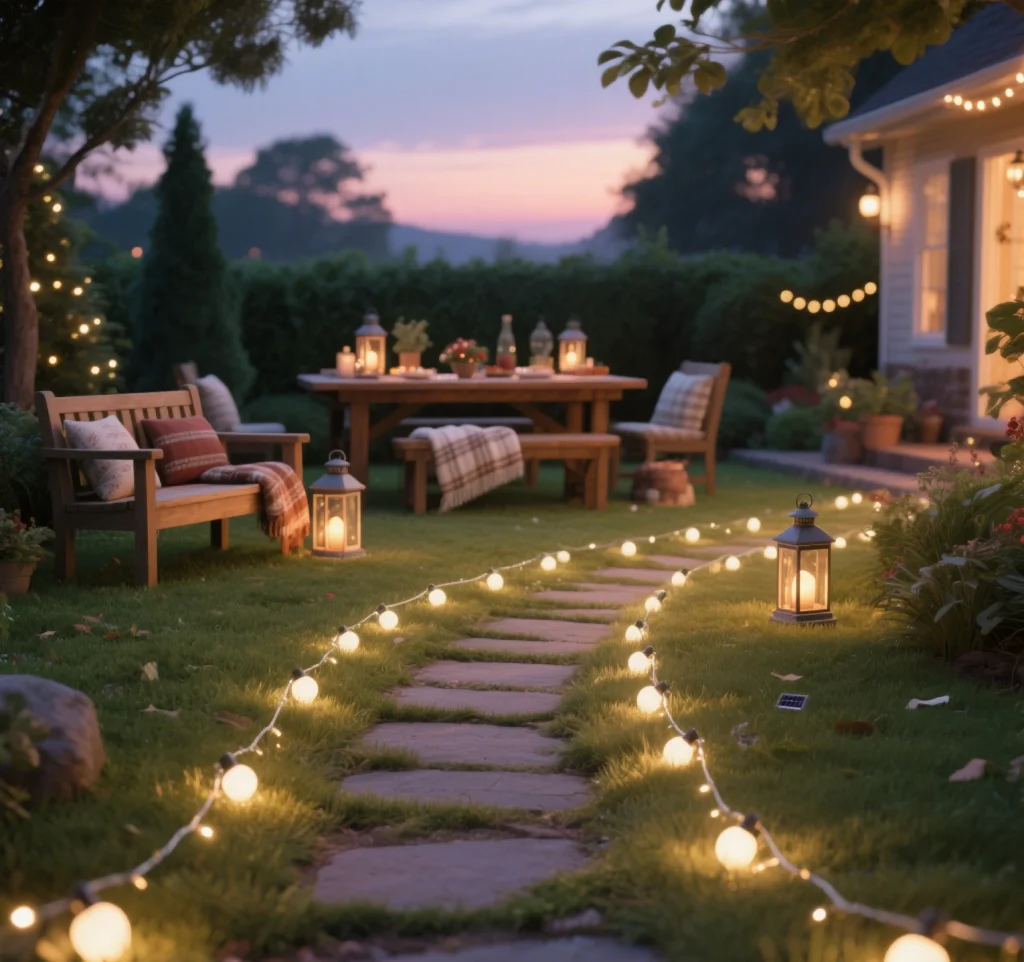
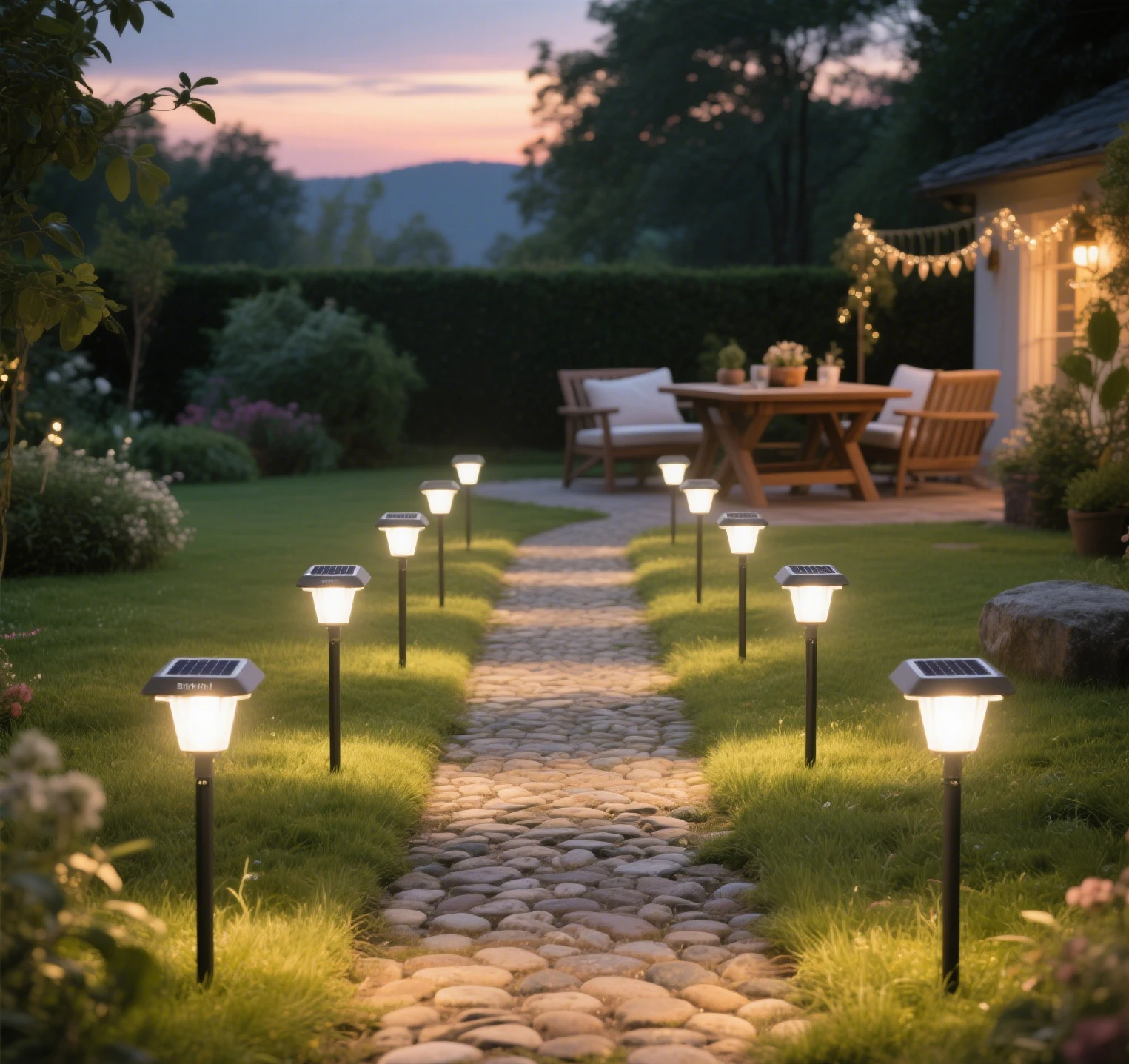
- Garden Pathways: Connect strings to outline garden paths or borders, guiding guests safely at night. IP65-rated solar lights are ideal for ground-level installations.
- Tree Wrapping: Wrap connected strings around tree trunks or branches for a festive look. Ensure the lights are spaced to avoid heat buildup.
- Event Decor: Link multiple LED string lights for weddings or parties, creating canopies or backdrops. Use timers to manage battery life during long events.
A unique approach, shared in a 2024 Bitpott discussion, involves using solar string lights with adjustable brightness settings to create dynamic displays. By connecting strings with dimmable LED bulbs, users can customize lighting intensity for different occasions, enhancing both aesthetics and energy efficiency.
Troubleshooting Common Issues
When connecting solar string lights, you may encounter issues like dim lights, flickering, or failure to turn on. Here are common problems and solutions:
- Dim Lights: If lights are dim, the solar panel may not be receiving enough sunlight, or the battery may be overloaded. Reposition the panel for maximum sun exposure or reduce the number of connected strings.
- Flickering: This can indicate a loose connection or voltage mismatch. Check all connectors and ensure compatibility between strings.
- Battery Drain: If the lights don’t last through the night, the battery may be underpowered. Upgrade to a higher-capacity rechargeable battery or a more powerful solar panel.
Alternatives to Connecting Solar String Lights
If connecting multiple strings isn’t feasible due to solar panel limitations or compatibility issues, consider these alternatives:
- Multiple Independent Sets: Use several sets of solar string lights, each with its own solar panel, to cover larger areas without overloading a single system.
- Solar Light Strips: Solar-powered LED strips offer a continuous lighting solution for large spaces and are often easier to install than multiple strings.
- Hybrid Systems: Some advanced setups combine solar energy with a backup power source, such as a USB charger, to support longer strings or higher loads.
Conclusion
Connecting solar string lights together is a practical and creative way to enhance outdoor spaces, provided you consider technical limitations and safety precautions. By choosing connectable solar lights with compatible connectors, adequate battery power, and weatherproof designs, you can create stunning displays without compromising performance or safety. Regular maintenance, adherence to manufacturer guidelines, and strategic placement ensure that your solar string lights deliver beautiful, sustainable illumination for years to come. Whether you’re decorating a cozy patio or a sprawling garden, the flexibility of solar-powered lights makes them a versatile choice for any outdoor setting.
Leave a Reply