


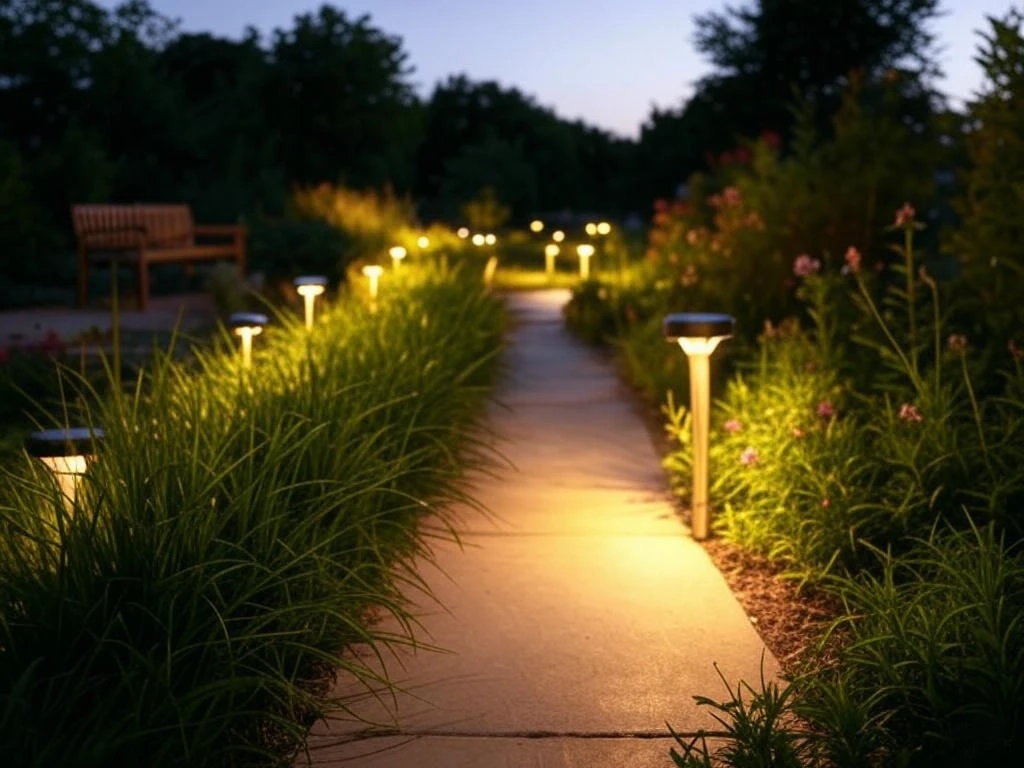
Solar garden lights have become a staple in outdoor landscaping, offering an eco-friendly, cost-effective way to illuminate pathways, gardens, and patios. These lights harness solar energy to power LED bulbs, eliminating the need for electrical wiring or utility costs. However, as seasons change and winter approaches, many homeowners wonder: Can you leave solar garden lights out in the winter? This question is particularly relevant in regions with cold temperatures, snow, ice, and reduced sunlight. This article explores the suitability of leaving solar garden lights outdoors during winter, focusing on the products themselves—their design, materials, performance, and maintenance requirements. By examining how solar garden lights function in winter conditions and offering practical tips for their care, we aim to provide a comprehensive guide for homeowners.
Understanding Solar Garden Lights
What Are Solar Garden Lights?
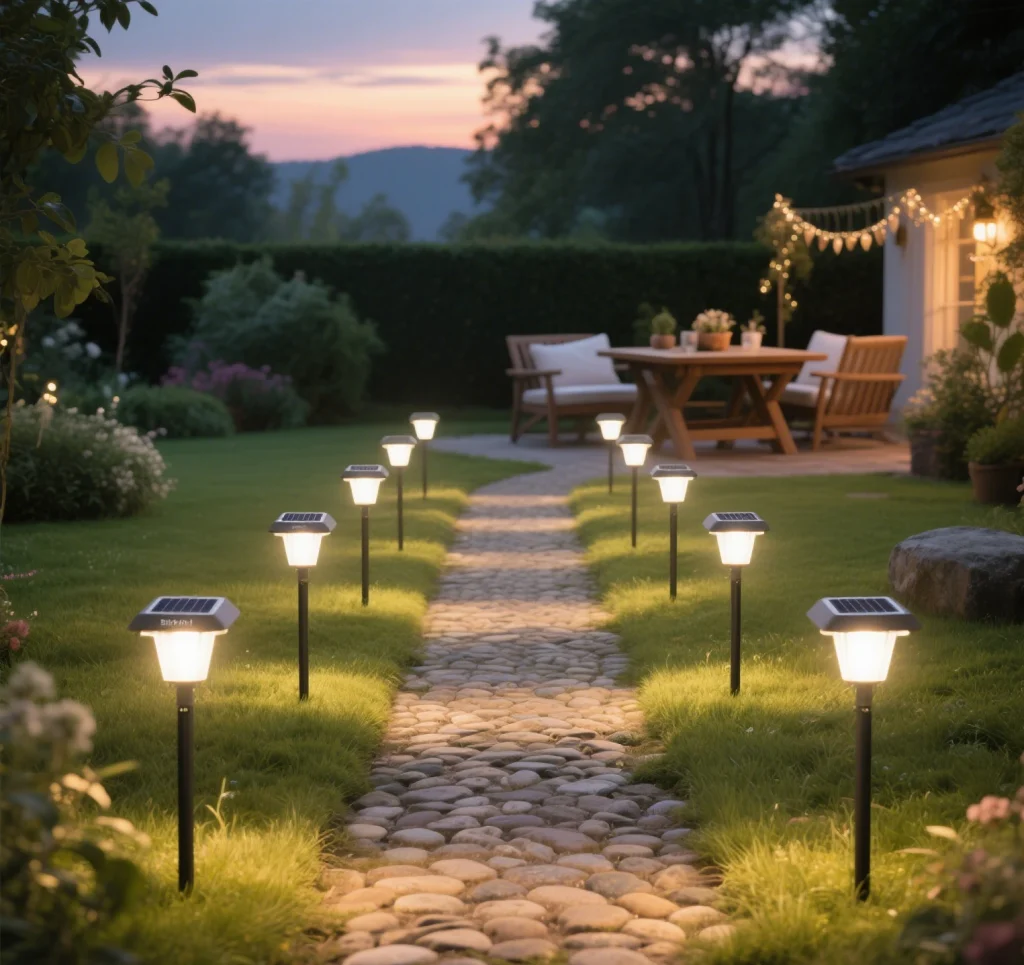
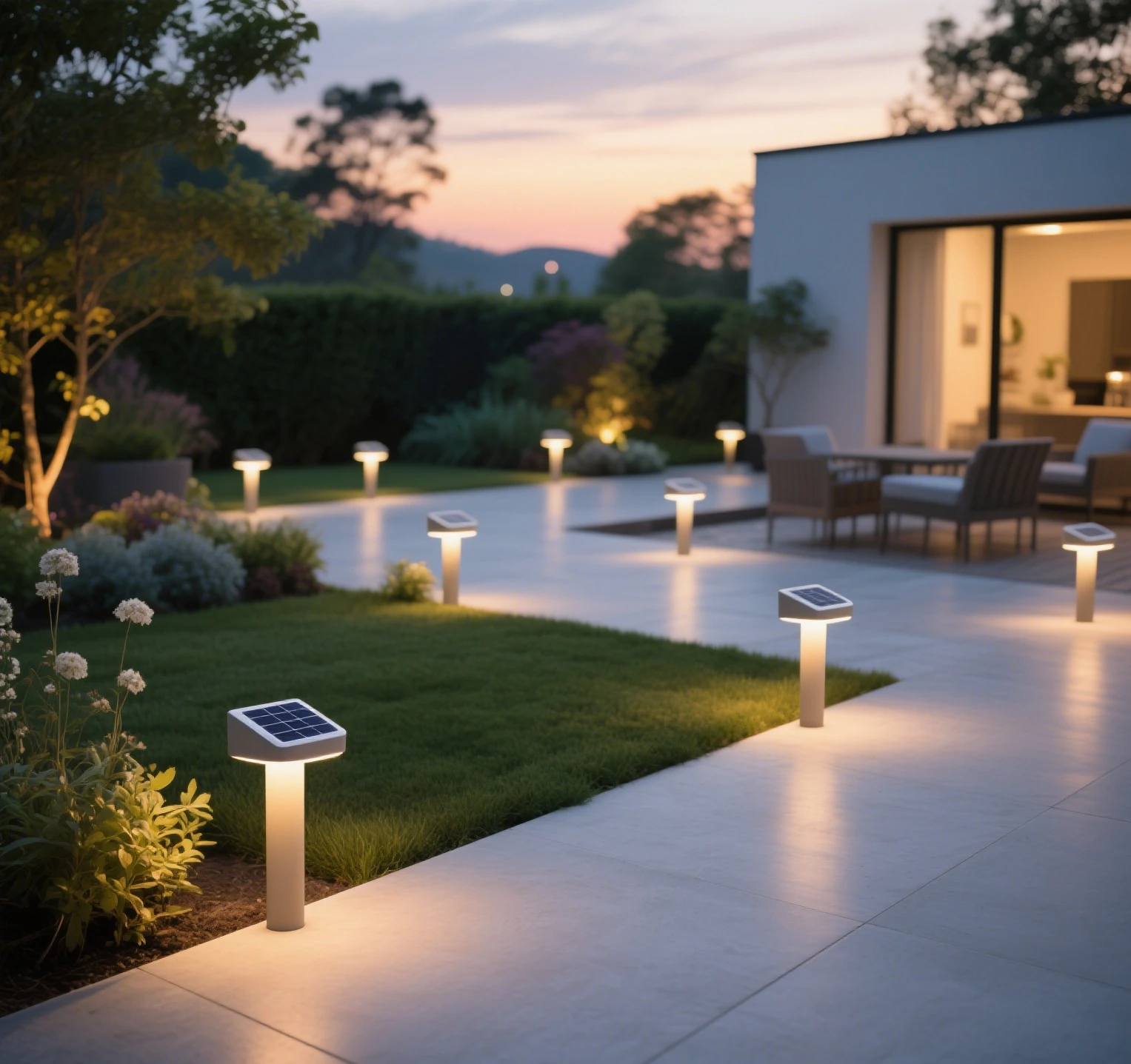
Solar garden lights are standalone outdoor fixtures that convert sunlight into electricity to power light sources, typically LEDs. A standard solar garden light consists of:
- Solar Panel: A photovoltaic panel that captures sunlight and converts it into electrical energy.
- Rechargeable Battery: Stores energy collected during the day to power the light at night.
- LED Light Source: Provides illumination, often with high energy efficiency and a long lifespan.
- Photosensor: Detects ambient light levels to automatically turn the light on at dusk and off at dawn.
- Housing and Stake/Mount: Protects internal components and secures the light in place, often made of plastic, metal, or glass.
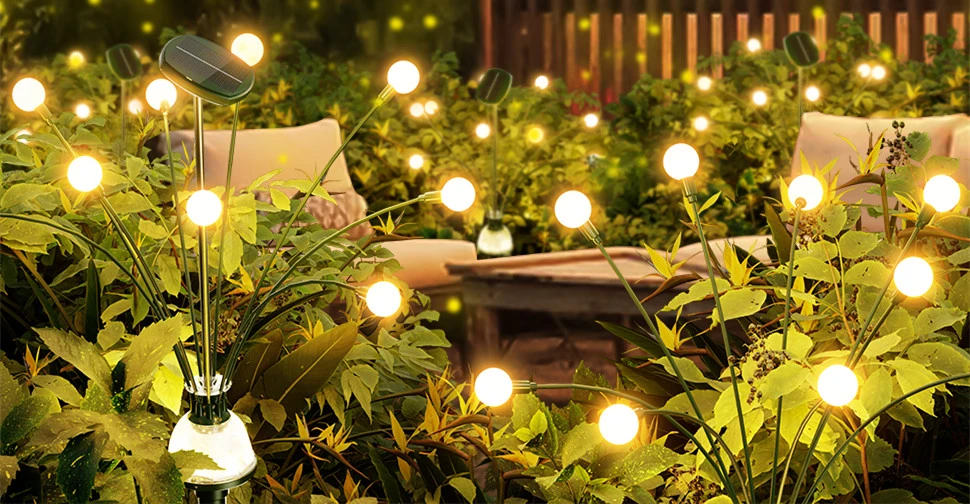
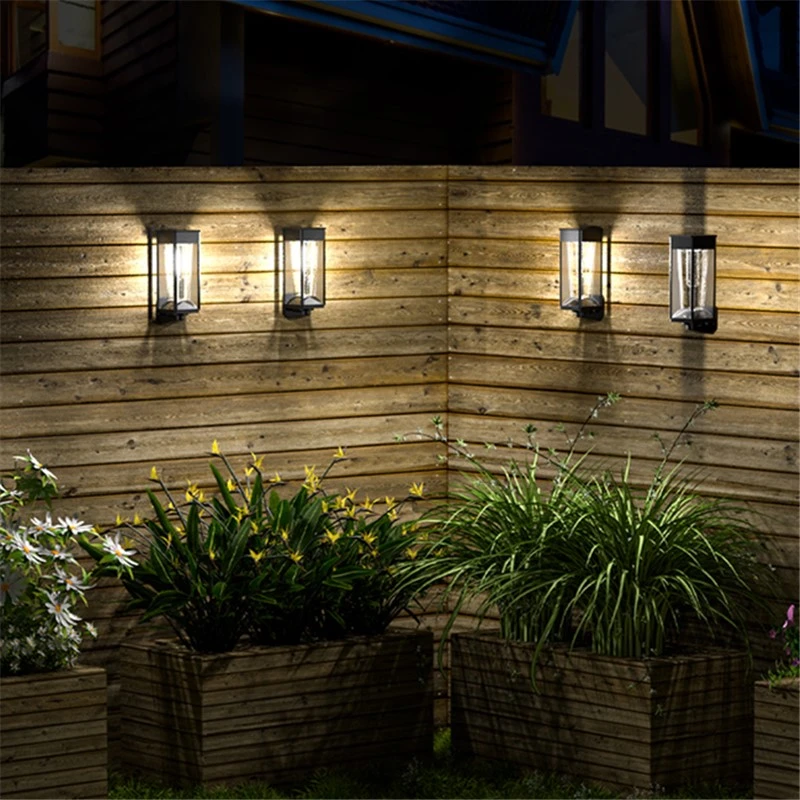
Available in various designs—stake lights, lanterns, string lights, and wall-mounted fixtures—solar garden lights are valued for their ease of installation, low maintenance, and environmental benefits.
Key Features Relevant to Winter Performance
- Material Durability: The housing and exterior components must withstand cold, moisture, and UV exposure.
- Battery Type: Common batteries include NiMH (Nickel-Metal Hydride) or Li-ion (Lithium-ion), each with different cold-weather performance.
- Waterproof Rating: IP ratings (e.g., IP65) indicate resistance to water and dust, critical for winter conditions.
- Light Output: Measured in lumens, brightness ranges from 10–200 lumens for most models, with performance affected by reduced winter sunlight.
- Solar Panel Efficiency: Monocrystalline panels are more efficient than polycrystalline or amorphous panels, especially in low-light conditions.
Challenges of Winter Conditions for Solar Garden Lights
Winter poses several challenges for solar garden lights, including reduced sunlight, extreme cold, snow accumulation, and moisture exposure. Understanding these challenges is key to determining whether solar garden lights can remain outdoors year-round.
Reduced Sunlight
Winter days are shorter, and sunlight is often weaker due to cloud cover or lower solar angles. This reduces the energy collected by solar panels, leading to:
- Shorter Illumination Time: Lights may not stay on for their full 6–12-hour runtime, dimming or shutting off early.
- Incomplete Battery Charging: Insufficient sunlight can prevent batteries from reaching full capacity, affecting performance over multiple days.
Cold Temperatures
Low temperatures impact both the battery and other components:
- Battery Performance: NiMH batteries, common in budget models, lose efficiency below 32°F (0°C), reducing runtime or failing to charge. Li-ion batteries perform better in cold but can still degrade at extreme lows (below -4°F or -20°C).
- Material Brittleness: Plastic housings may become brittle and crack in freezing temperatures, especially in low-quality models.
Snow and Ice Accumulation
Snow or ice covering the solar panel blocks sunlight, preventing charging. Additionally:
- Physical Damage: Heavy snow or ice can bend or break stakes, especially in flimsy designs.
- Moisture Infiltration: Freeze-thaw cycles can compromise seals, allowing water to enter and damage electronics.
Wind and Storms
Winter storms with strong winds can dislodge or topple solar lights, particularly those with lightweight or poorly anchored designs.
Are Solar Garden Lights Designed for Winter Use?
The ability of solar garden lights to withstand winter depends on their design and quality. Let’s examine how product features align with winter challenges.
Material Durability
High-quality solar garden lights use weather-resistant materials:
- Stainless Steel or Aluminum: Metal housings resist corrosion and cracking better than plastic, though they’re pricier.
- Tempered Glass: Glass panels or lenses are more durable than plastic, which may yellow or crack in cold.
- UV-Resistant Plastics: Some budget models use reinforced plastics designed to withstand temperature extremes and UV exposure.
Waterproof and Weatherproof Ratings
Most solar garden lights have an IP rating indicating water and dust resistance:
- IP65: Common in mid-range models, offering protection against rain and snow but not submersion.
- IP67: Found in premium models, allowing temporary submersion and better resistance to heavy snow or ice.
- IP44: Found in budget models, suitable for light rain but less reliable in heavy winter precipitation.
Lights with higher IP ratings are better equipped for winter, as they prevent moisture from damaging internal components during freeze-thaw cycles.
Battery Technology
Battery type significantly affects winter performance:
- NiMH Batteries: Affordable and common, but their capacity drops in cold weather, leading to shorter runtimes. They’re also less efficient in low-light conditions.
- Li-ion Batteries: More expensive but maintain better performance in cold and have higher energy density, allowing longer runtimes even with limited sunlight.
- Cold-Weather Batteries: Some premium models use specialized batteries designed for subzero temperatures, though these are rare in consumer-grade lights.
Solar Panel Efficiency
Monocrystalline solar panels, used in higher-end models, are more efficient in low-light conditions, making them better suited for winter. Polycrystalline or amorphous panels, common in budget lights, struggle to charge batteries during cloudy or short days.
Product Examples
- Budget Models ($5–$15 per light): Often use NiMH batteries, plastic housings, and IP44 ratings. Example: generic pathway stake lights. These may survive mild winters but are prone to cracking or battery failure in harsh conditions.
- Mid-Range Models ($15–$30 per light): Feature Li-ion batteries, IP65 ratings, and stainless steel or reinforced plastic. Example: LITOM Solar Pathway Lights. These are more durable but may need occasional maintenance.
- Premium Models ($30+ per light): Include monocrystalline panels, IP67 ratings, and cold-resistant Li-ion batteries. Example: GIGALUMI Solar Garden Lights. These are designed for year-round use, even in harsh winters.
Can You Leave Solar Garden Lights Out in Winter?
The short answer is yes, most solar garden lights can be left out in winter, but their performance and longevity depend on their quality, local climate, and maintenance. Below, we explore the factors that determine whether leaving them out is practical.
Mild Winter Climates (Above 20°F / -6°C)
In regions with mild winters (e.g., parts of the southern U.S. or Mediterranean climates), solar garden lights generally perform well year-round:
- Performance: Longer daylight and milder temperatures allow adequate charging, though cloudy days may reduce runtime.
- Durability: Budget models with IP44 ratings can handle light rain or frost, but mid-range or premium models are safer bets for longevity.
- Recommendation: Most lights can stay outdoors without special care, though occasional cleaning of solar panels ensures optimal performance.
Moderate Winter Climates (0°F to 20°F / -18°C to -6°C)
In areas with moderate winters (e.g., parts of the Midwest U.S. or northern Europe), solar lights face more challenges:
- Performance: Shorter days and cloud cover reduce charging efficiency, often resulting in dimmer or shorter illumination. Li-ion batteries and monocrystalline panels perform better than NiMH or polycrystalline alternatives.
- Durability: IP65 or higher ratings are essential to prevent moisture damage. Plastic housings may crack if exposed to prolonged freezing.
- Recommendation: Mid-range or premium lights can stay out, but budget models may need to be brought indoors or protected. Regular maintenance, like clearing snow, is crucial.
Harsh Winter Climates (Below 0°F / -18°C)
In extreme winter conditions (e.g., northern Canada, Scandinavia, or high-altitude regions), solar lights face significant hurdles:
- Performance: Very short daylight hours and heavy cloud cover severely limit charging. Even high-efficiency panels may struggle, and NiMH batteries often fail in subzero temperatures.
- Durability: Only premium lights with IP67 ratings, metal housings, and cold-resistant batteries are likely to survive heavy snow, ice, and freeze-thaw cycles.
- Recommendation: Consider storing budget or mid-range lights indoors unless they’re specifically rated for extreme cold. Premium lights can stay out with diligent maintenance.
Tips for Maintaining Solar Garden Lights in Winter
To maximize the lifespan and performance of solar garden lights during winter, follow these maintenance and usage tips:
1. Clean Solar Panels Regularly
Snow, ice, or debris (e.g., leaves) on solar panels blocks sunlight, preventing charging. Gently clear panels with a soft brush or cloth. Avoid scraping ice, which can scratch the surface.
2. Check Battery Performance
Cold reduces battery efficiency, so inspect batteries annually. Replace NiMH batteries showing signs of failure (e.g., short runtime) with Li-ion or cold-resistant alternatives if compatible.
3. Reinforce Anchoring
High winds or heavy snow can dislodge lights. Ensure stakes are firmly inserted into the ground or use weighted bases for freestanding models. For flimsy stakes, consider temporary indoor storage.
4. Use Protective Covers
For lights in exposed areas, use weatherproof covers or move them to sheltered spots (e.g., under eaves) to reduce snow and ice buildup. Ensure covers don’t block solar panels.
5. Adjust Placement for Sunlight
Reposition lights to maximize winter sunlight exposure, avoiding shaded areas under trees or buildings. Tilt solar panels (if adjustable) to capture low-angle sunlight.
6. Store Budget Models Indoors
If you own low-cost lights with poor weatherproofing or NiMH batteries, store them in a dry, cool place during harsh winters to prevent damage. Remove batteries to avoid corrosion.
7. Upgrade to Winter-Resilient Models
For year-round use in cold climates, invest in lights with:
- IP65 or IP67 ratings
- Li-ion or cold-resistant batteries
- Monocrystalline panels
- Stainless steel or tempered glass construction
Environmental and Practical Considerations
Leaving solar garden lights out in winter aligns with their eco-friendly appeal, as they continue to use renewable energy without utility costs. However, consider these factors:
- Energy Efficiency: Reduced winter performance may prompt some users to switch to wired lights, negating environmental benefits. Proper maintenance ensures solar lights remain viable.
- Wildlife Impact: Winter light pollution can still affect nocturnal animals, though less intensely than in summer due to reduced activity. Use warm-white LEDs (2700–3000K) to minimize disruption.
- Cost Savings: High-quality lights left out year-round save money over time compared to replacing damaged budget models or using wired alternatives.
Case Studies and Real-World Insights
Mild Winter Example: California, USA
In coastal California, winters are mild (40–60°F / 4–15°C) with occasional rain. Homeowners report that mid-range IP65-rated lights with Li-ion batteries function reliably year-round, needing only occasional panel cleaning.
Moderate Winter Example: Ontario, Canada
In Ontario, winters bring temperatures of 0–20°F (-18 to -6°C) and moderate snow. Users of premium lights (e.g., GIGALUMI) note reduced runtime but no damage, while budget lights often fail unless stored indoors.
Harsh Winter Example: Alaska, USA
In Alaska, with temperatures below -20°F (-29°C) and heavy snow, only high-end lights with IP67 ratings and cold-resistant batteries survive. Most users store lights indoors to avoid costly replacements.
Conclusion
Solar garden lights can generally be left out in winter, but their suitability depends on their design, local climate, and maintenance. High-quality models with IP65 or higher ratings, Li-ion batteries, monocrystalline panels, and durable materials are well-equipped for year-round use, even in moderate to harsh winters. Budget models, however, may suffer from cold-induced battery failure, cracking, or moisture damage, making indoor storage a safer option in extreme conditions. By choosing winter-resilient products and following maintenance tips—such as cleaning panels, reinforcing stakes, and upgrading batteries—homeowners can enjoy the benefits of solar garden lights throughout the year. With thoughtful care, these eco-friendly fixtures can illuminate outdoor spaces while withstanding the challenges of winter, ensuring both functionality and sustainability.
Leave a Reply