


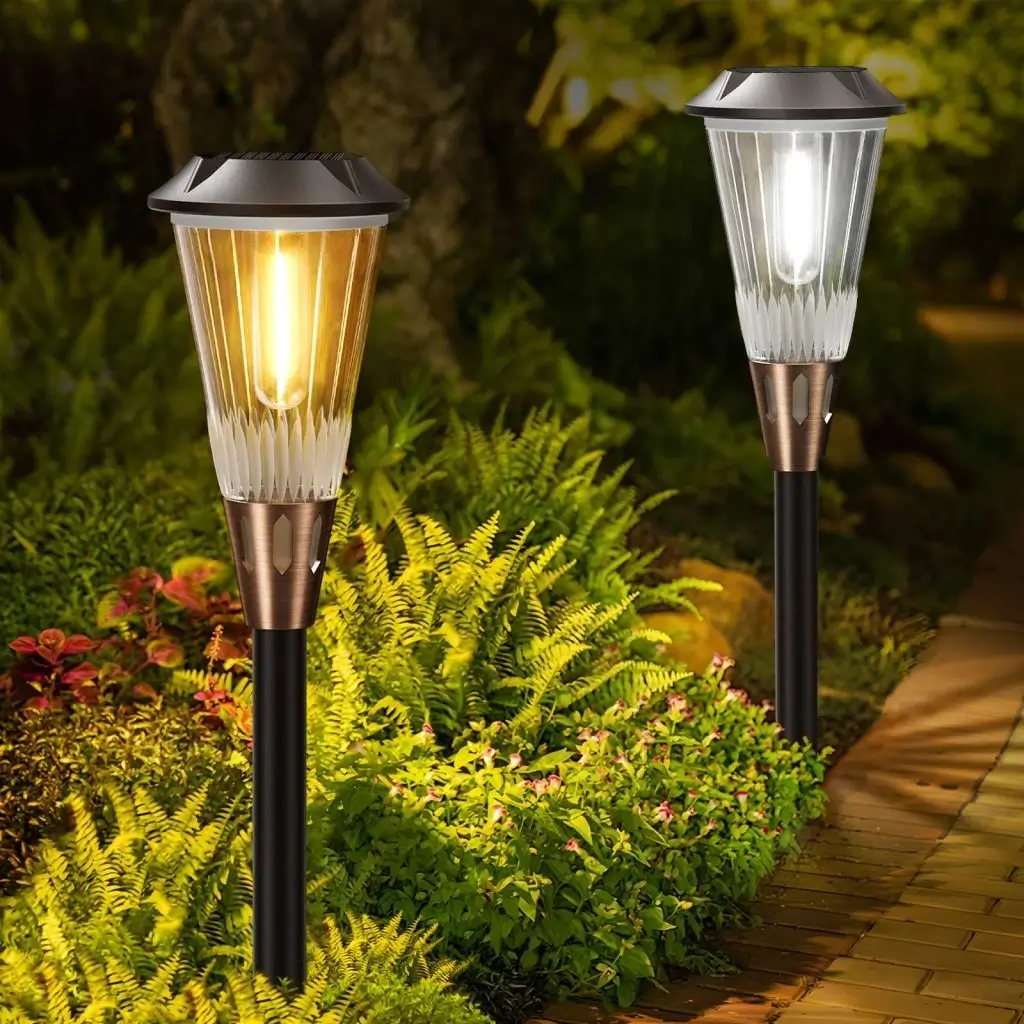
Solar lighting has revolutionized outdoor illumination, offering eco-friendly, cost-effective solutions for various outdoor spaces. With advancements in solar technology, solar patio lights, solar path lights, and solar decorative lights provide versatile options for enhancing both functionality and aesthetics. This guide explores how to select the perfect solar lights for different outdoor scenarios, ensuring optimal performance, energy efficiency, and visual appeal.
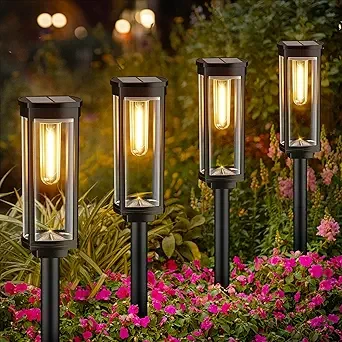
Why Choose Solar Outdoor Lighting?
Solar lights harness energy from the sun, converting it into electricity to power LEDs. They require no wiring, reduce electricity costs, and are environmentally sustainable. Whether illuminating a spacious patio, guiding guests along a pathway, or adding charm to a garden, solar patio lights, solar path lights, and solar decorative lights cater to diverse needs. Below, we break down the best options for each scenario, incorporating functionality, design, and innovative features.
Solar Patio Lights: Bright and Bold for Large Spaces
High-Pole Solar Patio Lights
For expansive patios or open yards, high-pole solar patio lights (3-5 meters) are ideal. These lights deliver high brightness (1000-2000 lumens) and long battery life (8-12 hours), ensuring consistent illumination for evening gatherings or outdoor dining. Typically equipped with monocrystalline solar panels, they offer superior energy conversion efficiency, even in low-light conditions. Look for models with adjustable brightness settings and durable materials like aluminum or stainless steel to withstand weather extremes.
Example Use Case: A high-pole solar patio light can anchor a seating area, providing overhead illumination for barbecues or family events. Pair with a motion sensor for energy savings when the area is unoccupied.
Innovative Feature: Some advanced models include smart controls, allowing you to adjust light intensity or schedule operation via a mobile app, enhancing convenience and energy efficiency.
Wall-Mounted Solar Patio Lights
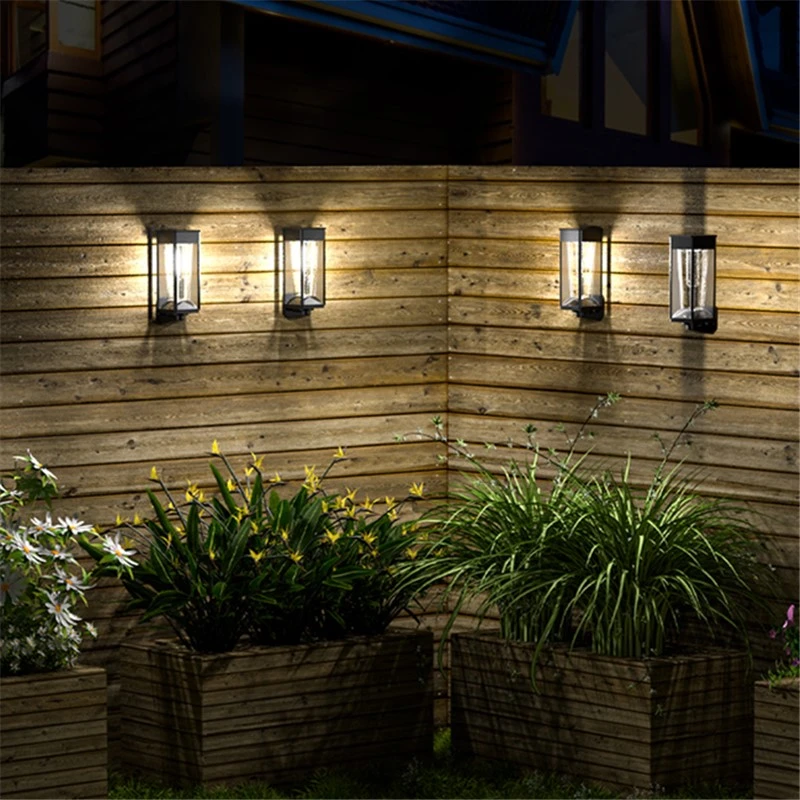
For smaller patios or balconies, wall-mounted solar patio lights offer a space-saving solution. These fixtures provide focused lighting (500-1000 lumens) and are perfect for illuminating dining tables or lounge areas. Choose models with wide-angle LEDs to ensure even light distribution. Weatherproof designs (IP65 or higher) ensure longevity in outdoor conditions.
Pro Tip: Install wall-mounted lights at a height of 1.8-2.5 meters for optimal coverage. Consider units with replaceable batteries to extend lifespan.
Solar Path Lights: Safety and Efficiency for Walkways
Low-Profile Solar Path Lights
Solar path lights are essential for guiding foot traffic along walkways, driveways, or garden paths. Low-profile options, such as ground-stake or buried lights, blend seamlessly into landscapes while providing subtle illumination (50-200 lumens). Many feature motion or dusk-to-dawn sensors, activating only when needed to conserve energy. Polycrystalline solar panels are common in these lights, offering reliable performance at a lower cost.
Example Use Case: Line a curved garden path with solar path lights equipped with motion sensors to ensure safe navigation at night while minimizing energy use.
Innovative Feature: Some solar path lights now integrate reflective surfaces or 360-degree LEDs, enhancing visibility from all angles. This is particularly useful for winding paths or areas with heavy foot traffic.
Bollard-Style Solar Path Lights
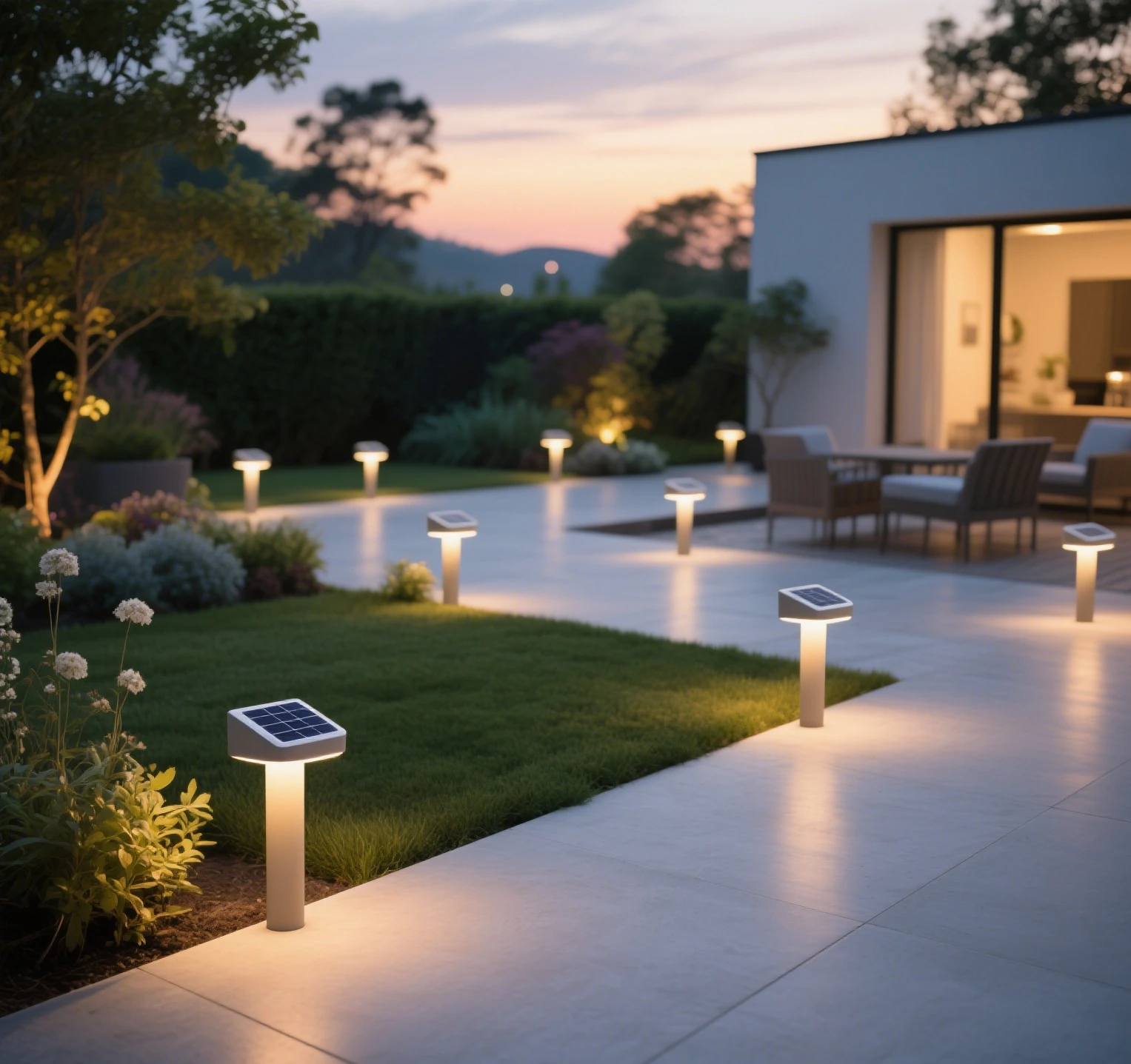
For a more prominent look, bollard-style solar path lights (0.5-1 meter tall) combine functionality with aesthetics. These lights are ideal for defining boundaries or highlighting driveway edges. Opt for models with robust construction, such as powder-coated metal, to resist corrosion. Brightness levels of 200-400 lumens are sufficient for most pathways.
Pro Tip: Space bollard lights 1.5-2 meters apart for consistent illumination without overpowering the landscape.
Solar Decorative Lights: Adding Charm and Ambiance
Sculptural Solar Decorative Lights
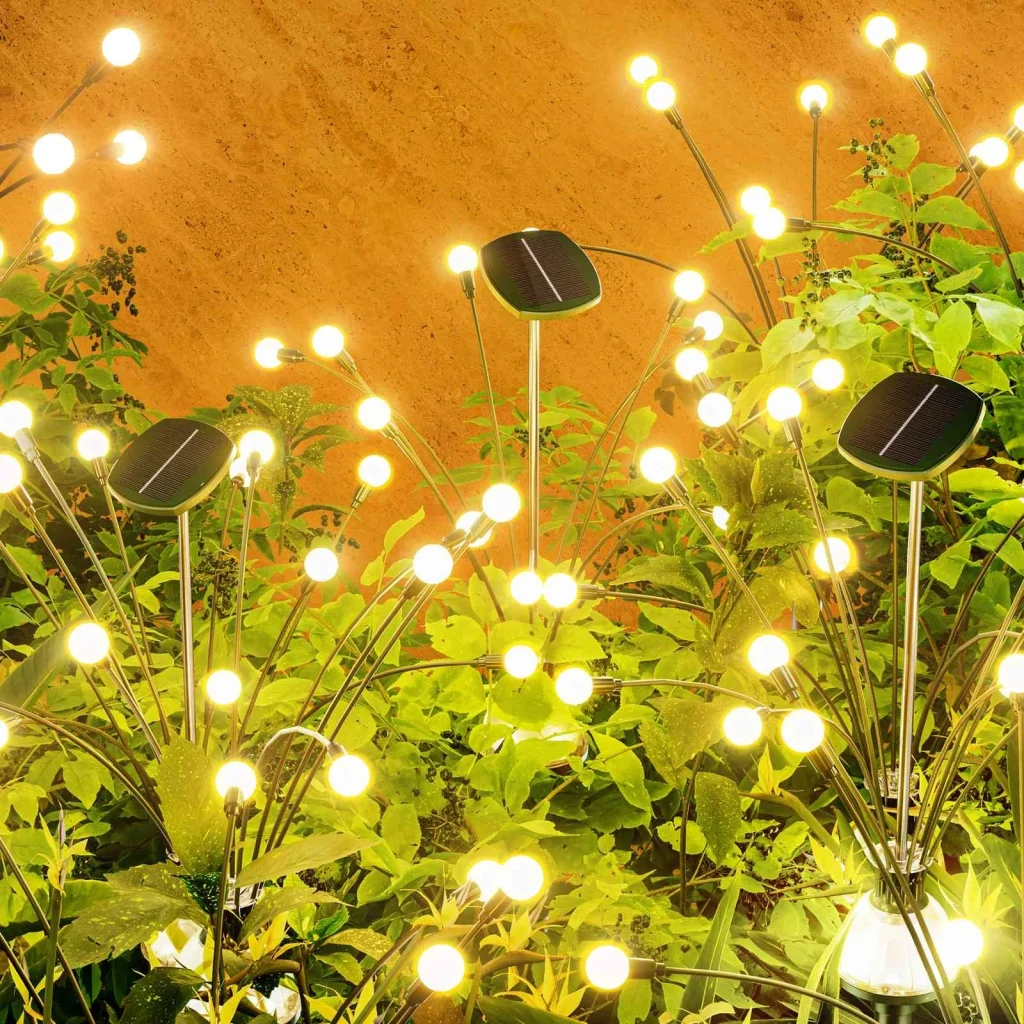
Solar decorative lights transform gardens, patios, or lawns into enchanting spaces. Sculptural designs, such as mushroom, flower, or animal-shaped lights, serve as low-brightness (20-100 lumens) ambiance creators. These lights prioritize aesthetics, often using warm white or multicolored LEDs to set a cozy mood. Place them in flower beds or along lawn edges for a whimsical touch.
Example Use Case: A cluster of mushroom-shaped solar decorative lights in a garden bed can highlight foliage while adding a playful element to evening landscapes.
Innovative Feature: Some sculptural lights incorporate color-changing LEDs or programmable patterns, allowing customization for events like holidays or parties.
String and Hanging Solar Decorative Lights
For a festive or elegant vibe, string or hanging solar decorative lights—such as solar fairy lights, lanterns, or star-shaped lamps—are unbeatable. These lights are perfect for wrapping around trees, pergolas, or fences. With brightness levels of 10-50 lumens per bulb, they prioritize visual impact over intense illumination. Look for models with high-capacity batteries (1000mAh or more) to ensure all-night performance.
Pro Tip: Choose string lights with adjustable solar panels to optimize sun exposure, especially in shaded areas. Waterproof ratings (IP44 or higher) are crucial for durability.
Innovative Feature: Some solar decorative lights now feature USB charging as a backup for cloudy days, ensuring consistent performance in variable weather.
Key Considerations for Choosing Solar Lights
1. Brightness and Battery Life
Match the lumen output to the intended purpose:
- Solar patio lights: 500-2000 lumens for primary illumination.
- Solar path lights: 50-400 lumens for guidance.
- Solar decorative lights: 10-100 lumens for ambiance.
Battery capacity (measured in mAh) determines runtime. High-pole patio lights typically require 2000-4000mAh, while path and decorative lights function well with 600-1500mAh. Lithium-ion batteries are preferred for their longevity and efficiency.
2. Solar Panel Efficiency
Monocrystalline panels offer the highest efficiency (15-20%), making them ideal for high-performance solar patio lights. Polycrystalline panels (13-16% efficiency) are cost-effective for solar path lights and solar decorative lights. Ensure the panel size is proportionate to the light’s energy needs.
3. Durability and Weather Resistance
Outdoor lights must withstand rain, wind, and temperature fluctuations. Look for IP65 or IP67 ratings for water and dust resistance. Materials like stainless steel, ABS plastic, or tempered glass enhance durability, especially for solar patio lights and solar path lights exposed to heavy wear.
4. Smart Features and Automation
Modern solar lights often include motion sensors, dusk-to-dawn functionality, or app-based controls. Motion sensors are particularly useful for solar path lights, reducing energy consumption by activating only when movement is detected. Smart features in solar patio lights allow remote adjustments, adding convenience for larger setups.
5. Aesthetic Integration
Consider the overall design of your outdoor space. Solar decorative lights should complement existing landscaping, while solar path lights and solar patio lights should align with functional needs. For cohesive aesthetics, choose lights with consistent finishes (e.g., black, bronze, or silver).
Installation and Maintenance Tips
- Positioning Solar Panels: Place solar panels in areas receiving at least 6 hours of direct sunlight daily. Avoid shaded spots under trees or eaves.
- Cleaning: Dust and debris can reduce solar panel efficiency. Clean panels monthly with a soft cloth and mild detergent.
- Battery Care: Replace batteries every 1-2 years for optimal performance. Check for corrosion in battery compartments.
- Seasonal Adjustments: In winter, tilt solar panels to capture low-angle sunlight. For solar decorative lights, store delicate designs during harsh weather.
Combining Solar Lights for a Cohesive Look
For a balanced outdoor lighting scheme, combine solar patio lights, solar path lights, and solar decorative lights. For example:
- Use high-pole solar patio lights to anchor a central seating area.
- Line walkways with solar path lights for safe navigation.
- Accent flower beds or pergolas with solar decorative lights to add warmth and charm.
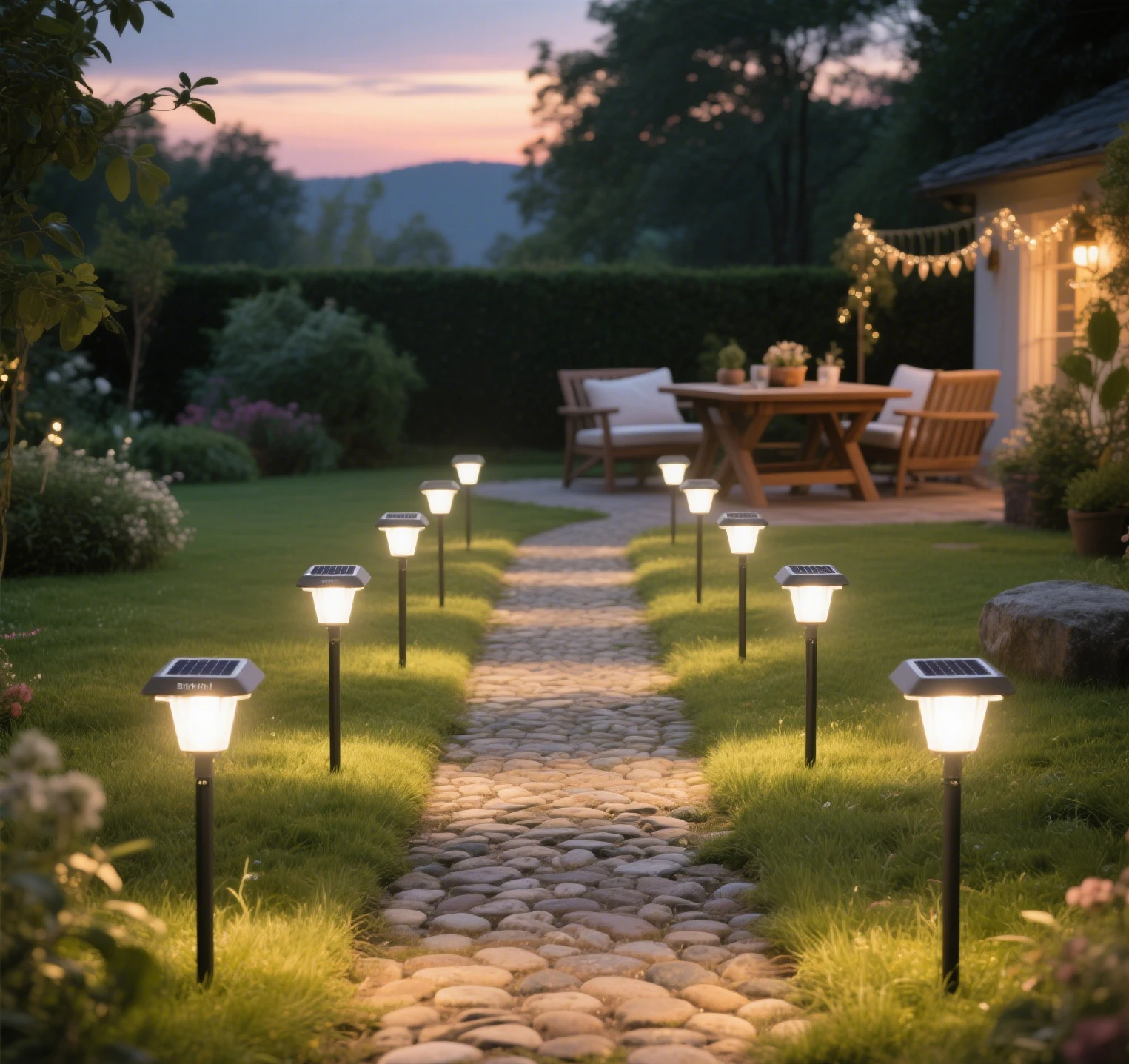
This layered approach ensures functionality and beauty. For instance, a backyard might feature a 4-meter solar patio light for overhead lighting, bollard-style solar path lights along a stone path, and fairy-style solar decorative lights draped over a fence for ambiance.
Environmental and Cost Benefits
Solar lights reduce reliance on grid electricity, lowering utility bills and carbon footprints. While initial costs for high-quality solar patio lights or solar path lights may range from $50-$200, the absence of wiring and electricity costs makes them cost-effective over time. Solar decorative lights are typically more affordable ($10-$50), offering an accessible way to enhance outdoor spaces.
Conclusion
Selecting the right solar patio lights, solar path lights, and solar decorative lights depends on your outdoor space’s size, purpose, and aesthetic goals. High-pole or wall-mounted solar patio lights provide robust illumination for large areas, while solar path lights ensure safe navigation with efficient, low-profile designs. Solar decorative lights add charm, transforming gardens and patios into inviting spaces. By considering brightness, battery life, durability, and smart features, you can create a tailored lighting plan that enhances both functionality and beauty. Explore options at trusted retailers like SolarLightHub to find high-quality solutions for your outdoor needs.
Leave a Reply