


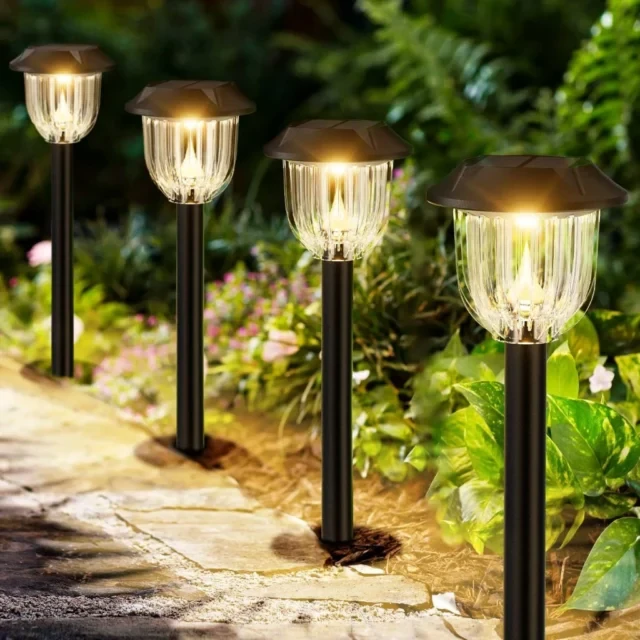
Imagine stepping into your backyard at night, flipping on the lights, and watching moths swarm the bulbs while a confused bird crashes into your window. It’s a scene many North American homeowners know too well. Bright, harsh lights can disrupt wildlife, from birds slamming into glass to insects piling up under fixtures. But your backyard can be a haven for both you and the creatures that share it. By choosing wildlife-friendly solar lighting, like low-glare solar lamps with specific light spectrums, you can illuminate your space without harming birds, insects, or other nocturnal animals. This guide, written from the perspective of a nature enthusiast, will show you how to balance your lighting needs with wildlife protection, creating a backyard that’s a shared sanctuary.
Why Wildlife-Friendly Lighting Matters
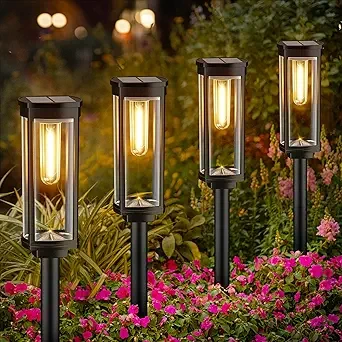
Backyard lighting often creates unintended problems for wildlife. Bright lights attract insects, which then draw predators like bats or birds, disrupting their natural behaviors. Birds, especially migratory ones, can become disoriented by intense light, leading to collisions with windows or exhaustion from circling lights. Studies estimate that millions of birds die annually in North America from such collisions. Insects, meanwhile, waste energy swarming lights, reducing their chances of survival. The good news? Wildlife-friendly solar lamps can minimize these issues while keeping your yard safe and inviting.
Low-glare solar lighting offers a practical solution. These lamps use soft, targeted illumination and specific wavelengths to reduce light pollution, ensuring your yard remains functional for you and safe for wildlife. By choosing the right lamps, positioning them thoughtfully, and controlling their brightness, you can create a backyard that supports both human enjoyment and animal well-being.
Choosing the Right Wildlife-Friendly Solar Lamp
Selecting the right solar lamp is the first step to creating a wildlife-friendly backyard. Here’s what to look for:
- Low-Glare Design: Opt for lamps with a glare rating of ≤19 cd/m² (candela per square meter). This low-glare threshold reduces the harshness that disorients birds and attracts insects. Look for fixtures labeled “low-glare” or “soft-light,” often with frosted lenses or downward-facing designs to focus light where you need it—on paths or seating areas—without spilling into the sky or nearby trees.
- Warm Red Light Spectrum (620-660nm): The color of light matters. Cool, blue-toned lights (above 4000K) mimic daylight, confusing birds and drawing insects like moths. Warm red lights, with wavelengths between 620-660nm, are less attractive to insects and less disruptive to nocturnal animals. Check product specs for “warm white” or “red-toned” bulbs, ideally around 2700K-3000K, to ensure minimal wildlife disturbance.
- Solar-Powered Efficiency: Solar lamps are eco-friendly, relying on renewable energy and requiring no wiring, which makes them easy to install in any yard. Choose models with high-efficiency solar panels and batteries that store enough power for 8-10 hours of use, ensuring reliable illumination even on cloudy days.
- Motion Sensors or Timers: Lamps with motion sensors or timers reduce unnecessary light exposure. Motion-activated lights turn on only when needed, while timers can dim or shut off lights late at night, minimizing light interference for wildlife.
When shopping, brands like Philips Hue Outdoor, Goal Zero, or BioLite offer wildlife-friendly solar lamps with low-glare and warm light options. Always check product descriptions for glare ratings and light spectrum details to ensure they meet these criteria.
Positioning Your Lights to Protect Wildlife
Where you place your solar lamps is just as important as the lamps themselves. Poorly positioned lights can still harm wildlife, even if they’re low-glare or warm-toned. Follow these principles to minimize light interference:
- Avoid Bird Habitats: Keep lamps away from trees, shrubs, or birdhouses where birds roost or nest. Light near these areas can disrupt sleep cycles or scare birds away. If you have a bird feeder, ensure no direct light shines on it at night to prevent disorientation.
- Steer Clear of Glass: Don’t place lights near reflective surfaces like glass windows or patio doors. Bright lights can amplify reflections, increasing the risk of bird collisions. If you have large windows, consider adding decals or UV-reflective film to make glass more visible to birds.
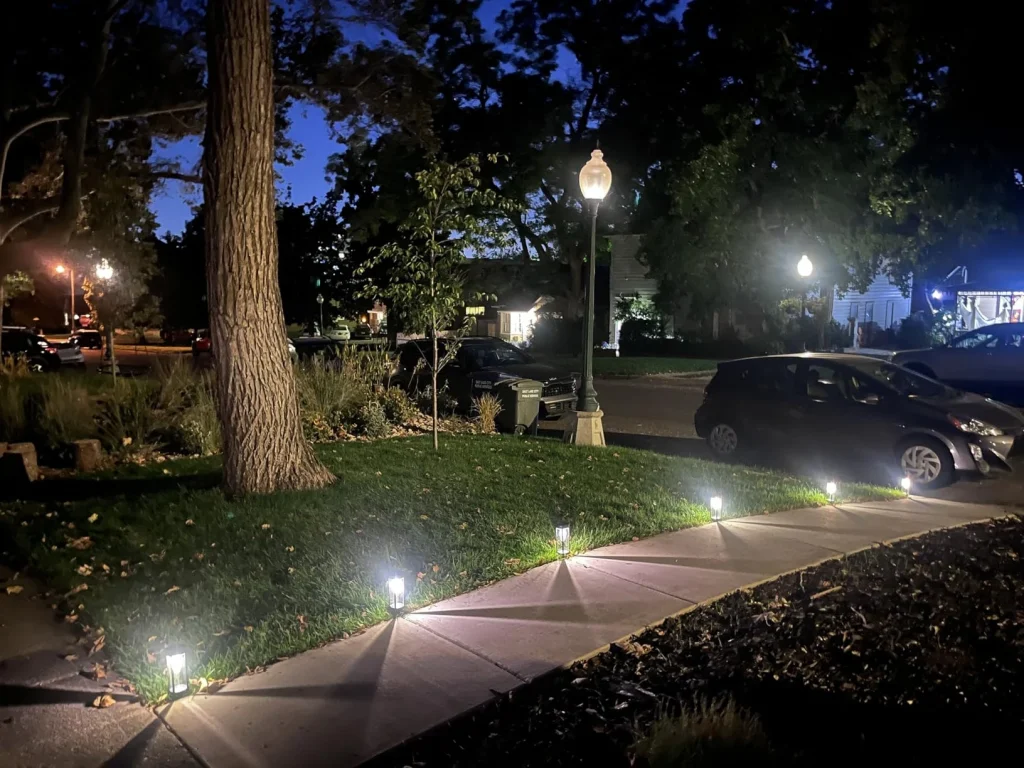
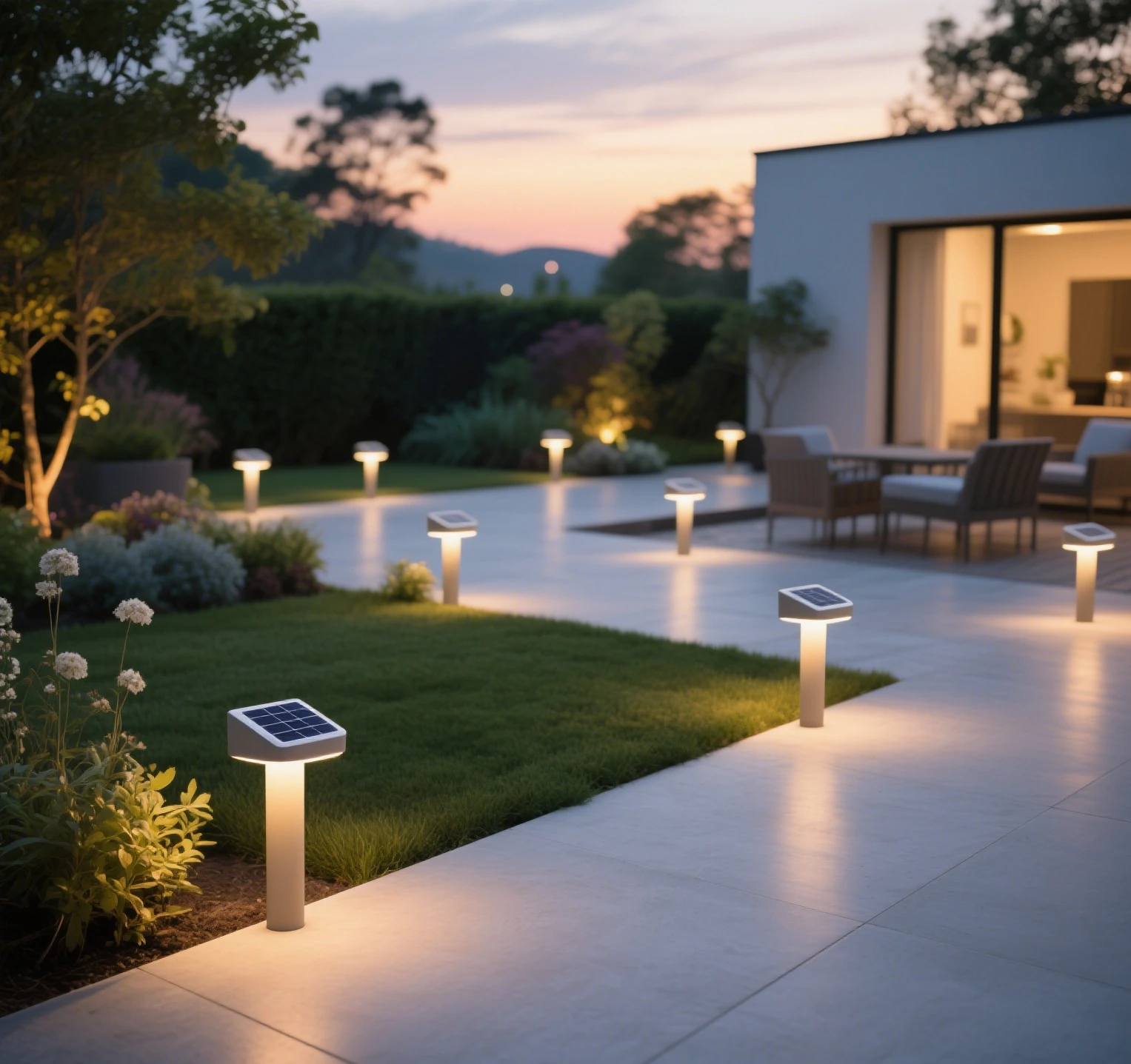
- Low-Height Path Lighting: For walkways, use solar path lights no taller than 1.5 meters (about 5 feet). Low-height lamps focus light downward, reducing skyward light pollution that can confuse migratory birds. Bollard-style or stake lights work well for this purpose.
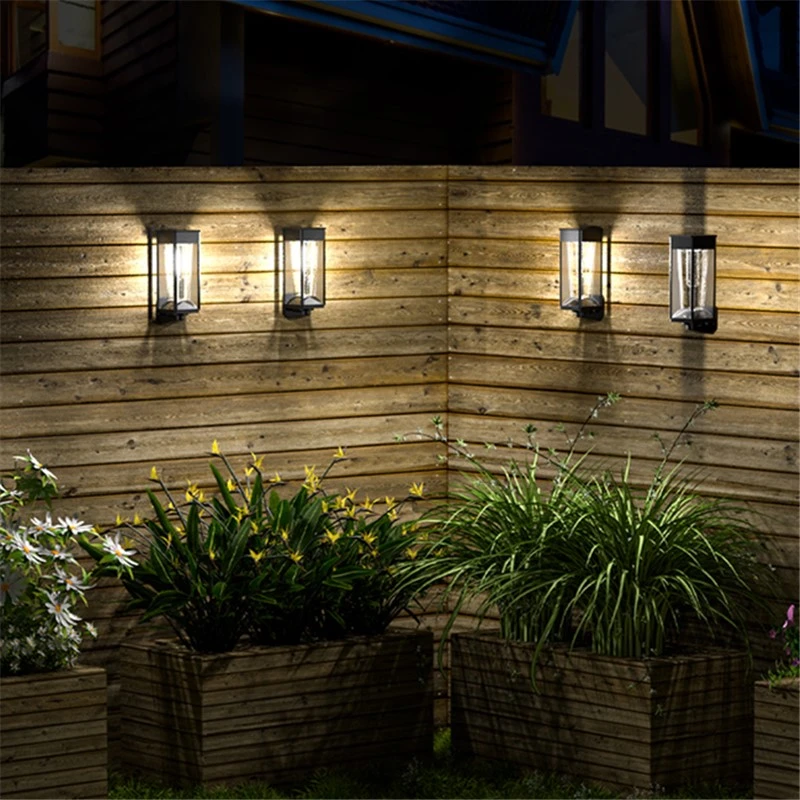
- Shielded Fixtures: Choose lamps with shields or hoods that direct light downward. This prevents light from spilling into areas where wildlife is active, like trees or ponds. Shielded fixtures also enhance the aesthetic by creating cozy, focused pools of light.
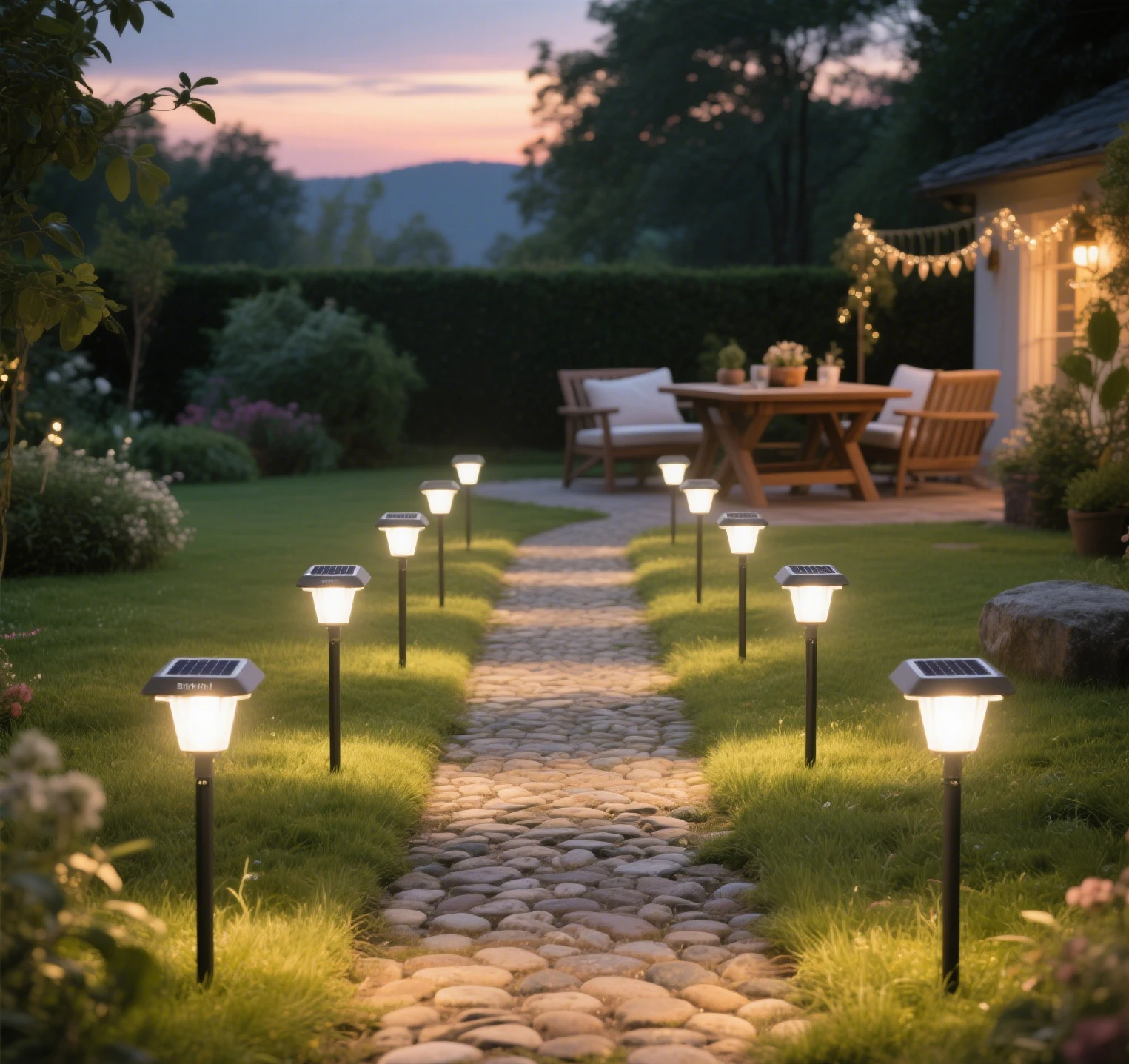
For example, if you have a winding garden path, place low-glare solar path lights every 6-8 feet along the edges, ensuring they point downward and away from nearby trees or windows. This setup keeps your path safe for walking without creating a beacon for insects or birds.
Controlling Light to Minimize Nighttime Disruption
Even wildlife-friendly solar lamps can cause light interference if left on full blast all night. Smart control settings help strike a balance between illumination and wildlife protection. Here’s how to manage your lights:
- Dim After 10 PM: Program your lamps to reduce brightness to 30% after 10 PM, when most nocturnal animals are active. Many solar lamps come with built-in timers or apps that let you schedule dimming. This lower intensity still provides enough light for safety while reducing disruption to wildlife.
- Use Motion Sensors Sparingly: Motion-activated lights are great for security but can startle animals if triggered frequently. Set sensors to activate only for large movements (like a person walking) and avoid placing them in areas with constant animal activity, like near a pond or birdbath.
- Turn Off Non-Essential Lights: If you have decorative lights, such as string lights or accent lamps, turn them off after evening gatherings. Limiting light exposure after midnight helps nocturnal animals like bats and owls navigate naturally.
- Seasonal Adjustments: During bird migration seasons (spring and fall in North America), consider dimming lights earlier or turning them off entirely during peak migration nights. Check local Audubon Society resources for migration schedules in your area.
By combining low-glare lamps with smart controls, you can enjoy your backyard in the evening while ensuring it remains a safe space for wildlife.
Additional Tips for a Wildlife-Friendly Backyard
Beyond lighting, a few extra steps can make your yard even more welcoming to birds and insects:
- Plant Native Species: Native plants attract pollinators and provide food for birds without relying on artificial light. For example, in North America, plants like milkweed or coneflowers support local ecosystems.
- Add Water Features: A small birdbath or fountain can support wildlife, but keep it unlit at night to avoid attracting insects or disorienting birds.
- Educate Your Neighbors: Share your wildlife-friendly lighting tips with neighbors to create a broader impact. A community-wide effort to reduce light pollution can protect migratory birds and nocturnal animals across your area.
Conclusion: A Shared Backyard Sanctuary
Your backyard can be more than just a place for barbecues or evening strolls—it can be a sanctuary where humans and wildlife coexist. By choosing low-glare solar lamps with warm red light, positioning them away from bird habitats and glass, and dimming them at night, you’re creating a space that meets your lighting needs without harming the creatures that call your yard home. Wildlife-friendly solar lighting isn’t just about reducing bird collisions or insect swarms; it’s about fostering a connection with nature. As a nature lover, you can take pride in knowing your backyard is a safe haven for birds, insects, and other animals, glowing softly under the stars.
Quick Checklist for Wildlife-Friendly Lighting
- Choose low-glare solar lamps (≤19 cd/m²) with warm red light (620-660nm).
- Position lights away from trees, birdhouses, and glass windows.
- Use low-height path lights (≤1.5m) with downward-facing shields.
- Dim lights to 30% after 10 PM and turn off non-essential lights.
- Adjust lighting during bird migration seasons for extra protection.
By following these steps, you’ll create a backyard that’s both functional and kind to wildlife, proving that good lighting and environmental care can go hand in hand.
Leave a Reply