


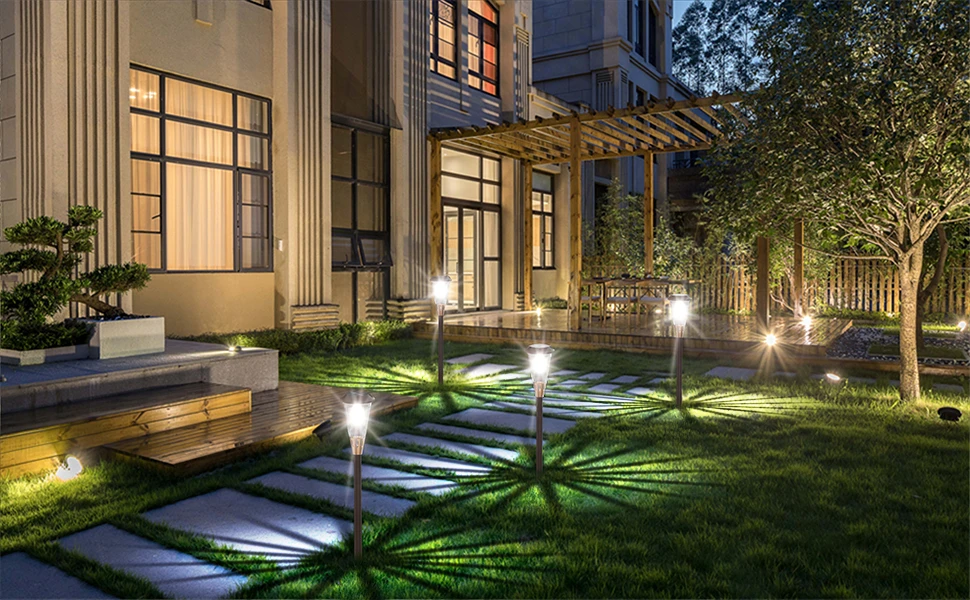
The Rise of Sustainable Aesthetics in North American Outdoor Decor
In North America, the push for sustainable living has reshaped American outdoor decor, with 65% of homeowners prioritizing eco-friendly products, per a 2024 Houzz survey. Sustainable materials in solar lights—like reclaimed wood and recycled glass—merge beauty, durability, and environmental responsibility. These decorative solar lights move beyond function, blending tactile textures and light effects to elevate backyards and patios. Their rise stems from a fusion of aesthetic appeal, Canadian winter resilience, and long-term energy savings, making them a cornerstone of modern outdoor design in diverse climates from Seattle’s rain to Arizona’s sun.
Material Types and Aesthetic Positioning
Solar lights crafted from sustainable materials offer distinct visual identities, tailored to North American tastes and landscapes.
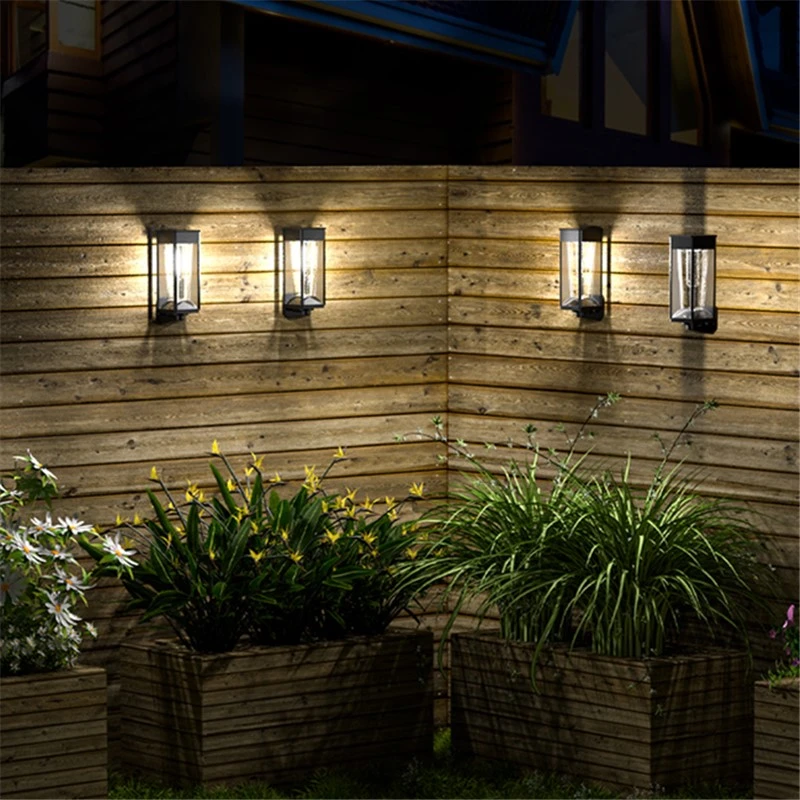
- Reclaimed Wood: Its weathered grain and warm tones suit rustic or farmhouse styles. For example, a Vermont brand uses locally sourced oak scraps for lamp bases, creating a cozy, handcrafted look for patios. The natural texture softens light, enhancing ambiance.
- Recycled Glass Fragments: These create prismatic effects, scattering rainbow flecks at dusk. A California designer embeds glass shards in decorative solar light shades, ideal for modern coastal homes. The translucent glow pairs with minimalist settings.
- Natural Stone: Granite or slate bases ground solar lights in earthy elegance, perfect for Craftsman-style front yards. A Minnesota company crafts stone-encased path lights, blending seamlessly with native flora.
- Recycled Metal: Salvaged aluminum or steel frames evoke industrial chic. A Chicago-based brand uses recycled copper for sleek, angular lanterns, suited for urban lofts or modern decks.
Each material aligns with specific aesthetics, ensuring American outdoor decor reflects personal style while prioritizing sustainability.
Durability and Environmental Performance Framework
Solar lights must withstand North America’s diverse climates while upholding eco-credentials. Key evaluation metrics include:
- IP Rating: The Ingress Protection scale measures durability against water and dust. IP65-rated solar lights resist heavy rain, ideal for the Pacific Northwest’s wet winters, while IPX4 suits milder climates like the Southeast.
- UV Stability: Measured on a UV scale (1–8), UV7-rated materials resist fading in intense sunlight, critical for Arizona’s 300+ sunny days annually. Recycled glass and UV-coated wood maintain color integrity, ensuring long-term aesthetic appeal.
- Temperature Resilience: Canadian winter resilience demands materials tolerate -30°C to 35°C swings. Reclaimed wood requires sealant to prevent cracking, while recycled metal resists thermal expansion with minimal maintenance.
- Environmental Impact: Sustainable materials like reclaimed wood achieve 80% recycling rates, per EPA data, and reduce production emissions by 25% compared to virgin materials. Glass fragment lamps lower carbon footprints by reusing local waste.
These metrics ensure decorative solar lights endure North American extremes while delivering environmental benefits.
Scene-Specific Design Principles
Crafting cohesive American outdoor decor requires aligning materials with outdoor spaces:
- Patio: Pair reclaimed wood lamp bases with recycled glass shades to complement rattan furniture. The wood’s tactile warmth and glass’s shimmering refractions create a relaxed, natural vibe. Use 2700K warm white LEDs (200 lumens) for intimate gatherings.
- Deck: Recycled metal frames with integrated LED strips suit modern aesthetics. Their clean lines and cool sheen enhance sleek deck furniture, with 3000K LEDs (300 lumens) for vibrant evening events.
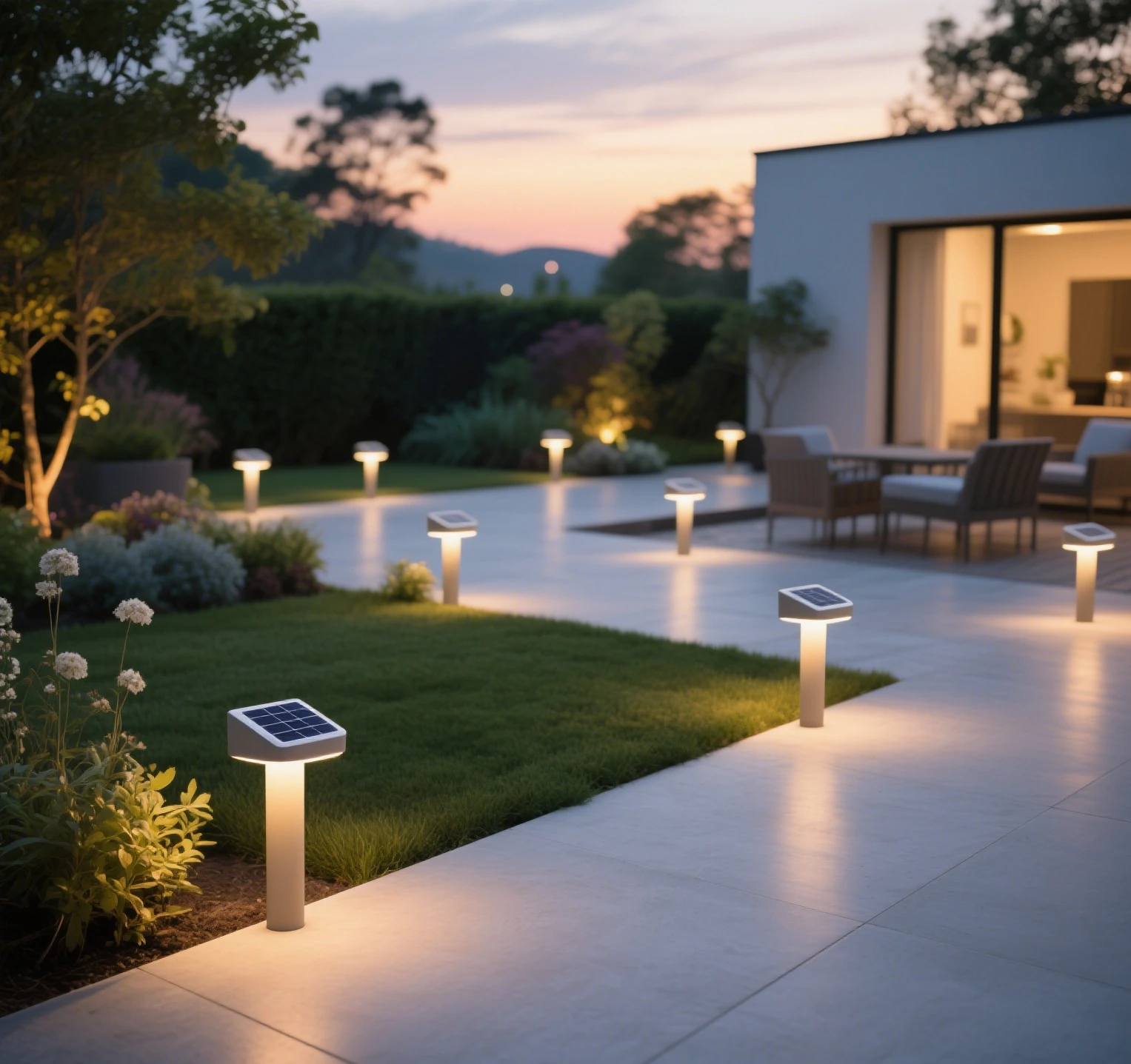
- Front Yard: Natural stone-based solar lights blend with lawns and shrubs, their rugged texture echoing native landscapes. Low-profile path lights (100 lumens, 2700K) guide guests while harmonizing with greenery.
Material choices reflect scene functionality—wood for warmth, metal for modernity, stone for grounding—ensuring visual and practical synergy.
Seasonal Application Strategies
North America’s four seasons demand tailored approaches for solar lights using sustainable materials:
- Spring: The installation season benefits from moist soil for secure lamp anchoring, but reclaimed wood bases need waterproof sealants to resist dampness. Check IP65 ratings for rain-heavy regions like Oregon.
- Summer: Intense UV in states like Nevada requires UV7-coated materials. Inspect recycled glass shades monthly for coating wear to maintain clarity. Decorative solar lights with adjustable panels optimize sunlight capture.
- Fall: Falling leaves in New England can cover solar panels, reducing efficiency. Schedule biweekly cleanings to maintain 90% charge capacity. Stone-based lamps resist leaf abrasion, ensuring durability.
- Winter: Canadian winter resilience is critical, with recycled metal and stone withstanding -40°C in Alberta. In snowy Northeast U.S., elevate lamps to avoid snow pile-up, and use IP65 models to prevent ice damage.
Seasonal strategies ensure solar lights perform reliably, preserving aesthetics and function year-round.
Installation and Maintenance Guidelines
Proper installation and upkeep maximize durability and beauty of decorative solar lights:
- Reclaimed Wood: Apply a non-toxic sealant before installation to prevent moisture ingress. Avoid ground contact; use elevated mounts. Clean quarterly with mild soap to preserve grain.
- Recycled Glass: Secure shards with UV-resistant adhesive to prevent detachment. Install with protective edging to avoid chipping. Wipe monthly to maintain light diffusion.
- Recycled Metal: Coat with anti-rust spray annually, especially in humid coastal areas. Bolt securely to withstand wind. Inspect for corrosion every six months.
- General Maintenance: Clean solar panels monthly with a damp cloth to ensure 95% efficiency. Check battery health quarterly, replacing every 2–3 years ($10–$20 per unit).
These steps ensure sustainable materials retain their aesthetic and functional integrity across North American climates.
Cost, Supply Chain, and Sustainability Cases
Decorative solar lights using sustainable materials balance upfront costs with long-term gains:
- Cost Structure: A set of 10 reclaimed wood or glass fragment solar lights costs $300–$600, 20% more than traditional models, but energy savings of $50–$100 annually yield a 3–5-year payback. Maintenance costs average $20/year.
- Supply Chain: The Midwest offers abundant reclaimed wood from deconstructed barns, while California’s recycling hubs supply glass fragments. Canada’s metal recycling network, centered in Ontario, supports durability with low transport emissions.
- Case Studies:
- A Seattle brand uses local reclaimed cedar for solar light bases, reducing emissions by 35% versus virgin wood, per LCA data.
- A Toronto company crafts recycled aluminum lanterns, achieving 85% material reuse and cutting production energy by 40%.
- A California startup embeds beach glass in decorative solar light shades, lowering landfill waste and earning LEED credits for homeowners.
These examples highlight how sustainable materials drive cost-effective, eco-conscious innovation in North American markets.
Conclusion: A Bright, Sustainable Future
Solar lights crafted from sustainable materials redefine American outdoor decor, blending aesthetic allure with environmental stewardship. Reclaimed wood’s rustic warmth, recycled glass’s prismatic glow, and metal’s sleek resilience cater to diverse tastes while ensuring durability and Canadian winter resilience. By aligning designs with seasonal needs and regional landscapes, these decorative solar lights transform patios, decks, and front yards into sustainable sanctuaries. Start with a single reclaimed wood lantern or outfit an entire community with stone-based path lights—the fusion of beauty, science, and sustainability awaits.
Leave a Reply