


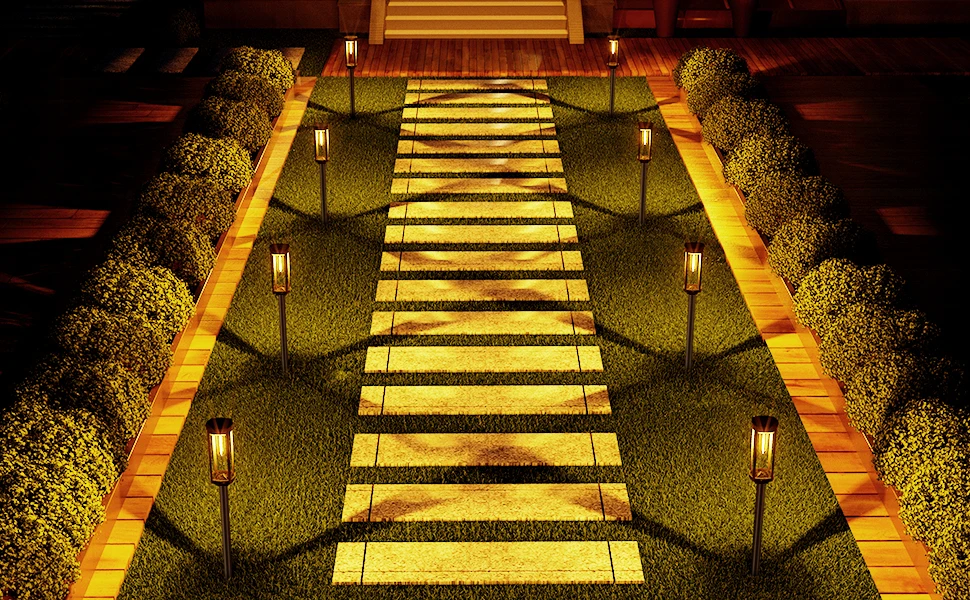
Decorative solar lights have become a cornerstone for homeowners seeking to enhance their outdoor spaces with eco-friendly, visually appealing illumination. These lights not only elevate the aesthetic of gardens, patios, and pathways but also offer practical, sustainable lighting solutions. For users looking for actionable guidance, this article provides detailed solar light installation tips, maintenance advice, performance comparisons, and troubleshooting steps to ensure your outdoor solar lighting shines brightly. By combining practical know-how with insights from industry trends and user experiences, we aim to help you achieve a stunning outdoor glow while maximizing efficiency.
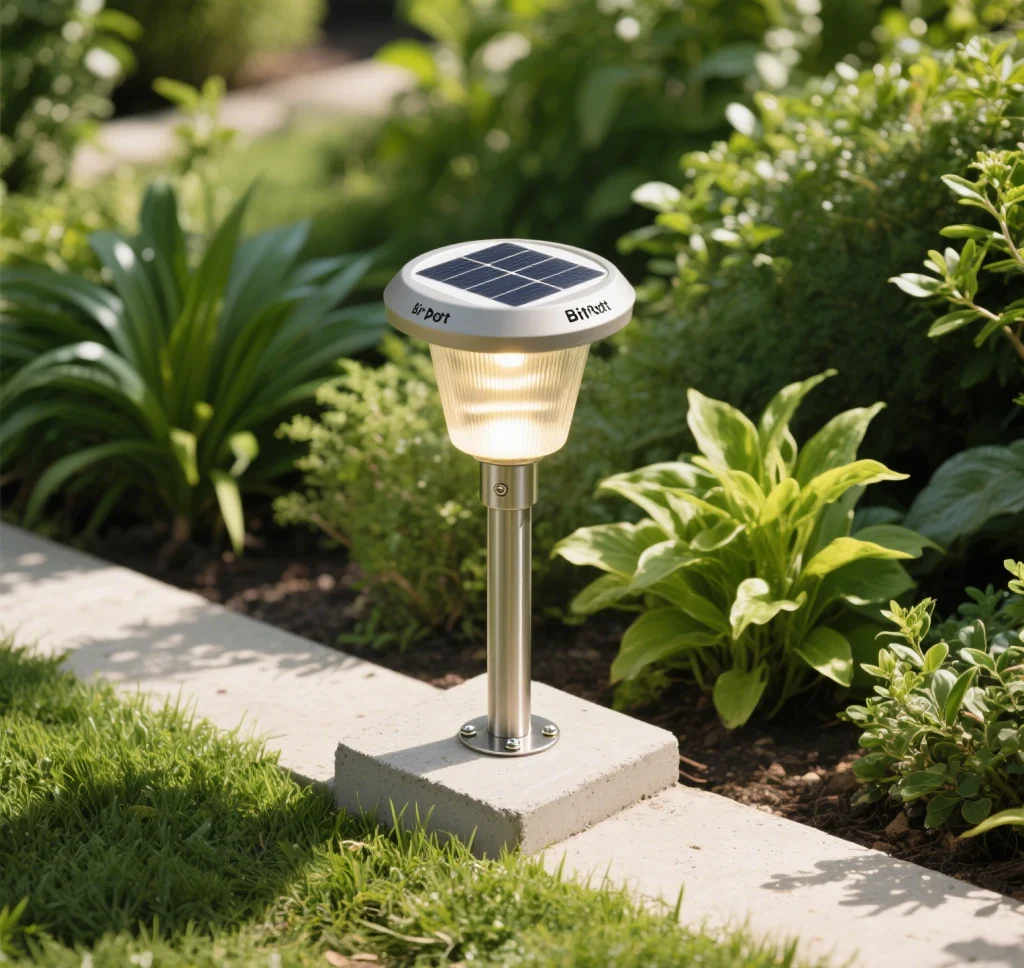
Step-by-Step Installation for Optimal Performance
Proper installation is key to unlocking the full potential of decorative solar lights. Here’s a clear guide to ensure your solar garden lights perform at their best:
- Choose a Sunlight-Rich Location: Select a spot with at least 6–8 hours of direct sunlight daily to ensure the solar panel efficiency is maximized. Avoid areas shaded by trees, buildings, or overhangs, as shadows can reduce energy capture by up to 50%, according to solar lighting studies. Use a sunlight exposure guide to map out your yard’s sunniest areas.
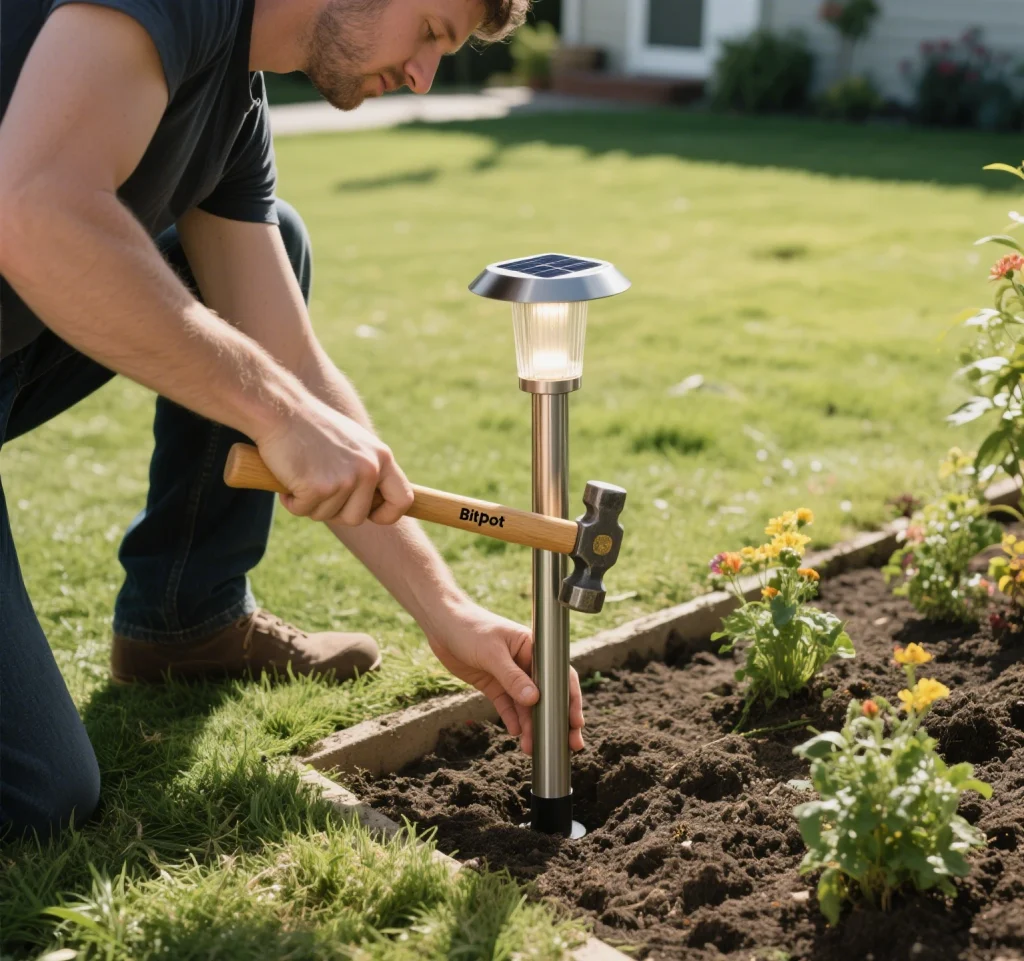
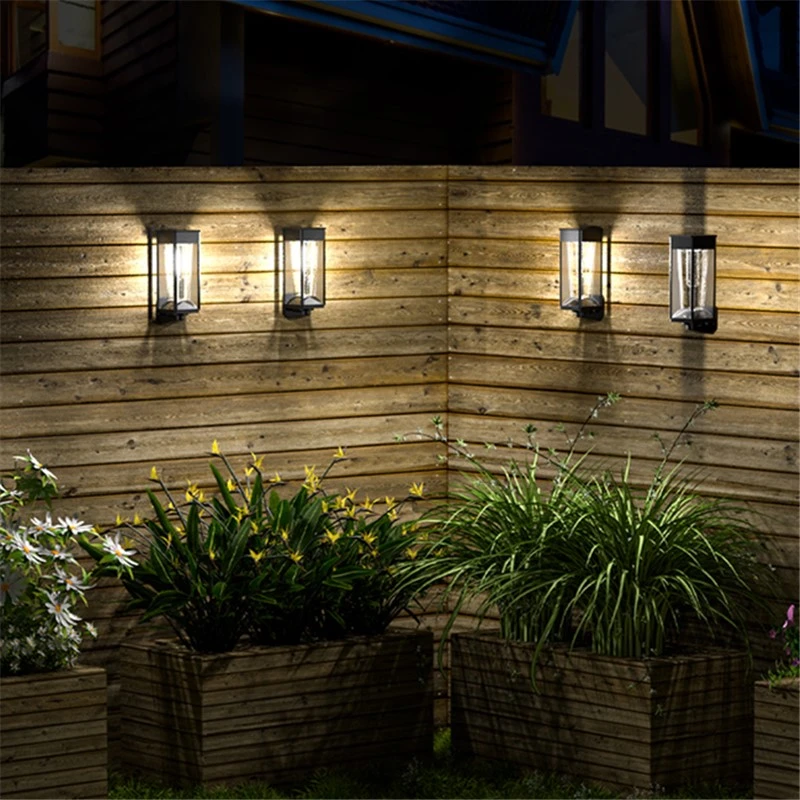
- Secure the Lights Properly: For solar stake lights, push the stake firmly into soft soil, ensuring stability. For wall-mounted or solar pathway lights, use corrosion-resistant screws to affix them to sturdy surfaces like fences or posts. A level tool can help ensure even placement, preventing tilting that could misalign the solar panel placement.
- Avoid Solar Panel Obstructions: Position the solar panel to face south (in the Northern Hemisphere) for optimal sun exposure. Ensure no debris, such as leaves or dirt, covers the panel, as even partial shading can reduce charging efficiency by 20–30%. For solar string lights, drape them in open areas to avoid tangling or blocking the panel.
- Test Before Finalizing: After installation, let the lights charge for a full day, then check their performance at night. Adjust the angle of the solar panel installation if the brightness seems dim, ensuring it captures maximum sunlight.
These solar light installation tips ensure your lights not only look great but also function efficiently, creating a seamless outdoor lighting setup.
Maintenance: Keeping Your Solar Lights Shining Bright
Regular upkeep extends the lifespan and performance of decorative solar lights. Here are practical solar light maintenance tips to maintain that outdoor glow:
- Clean the Solar Panel Quarterly: Dust, pollen, or bird droppings can reduce solar panel efficiency by up to 25%. Wipe the panel with a damp cloth and mild soap every three months to ensure clear sunlight absorption. Avoid abrasive materials to prevent scratches.
- Inspect and Replace Batteries: Most solar light batteries, typically Ni-MH or Li-ion, last 2–3 years or about 500–1000 charge cycles. Check for signs of corrosion or reduced brightness, indicating battery wear. Replace with compatible batteries, ensuring proper voltage (usually 1.2V for Ni-MH). Store spares in a cool, dry place to extend shelf life.
- Check Connections and Seals: For solar patio lights or solar lanterns, inspect wiring and seals for water damage, especially after heavy rain. Tighten loose connections and apply silicone sealant if needed to maintain weather resistance.
- Seasonal Adjustments: In winter, tilt solar panels slightly steeper to shed snow and maximize limited sunlight. For solar fairy lights, untangle and reposition them seasonally to avoid wear from wind or frost.
By following these solar light care tips, you can ensure consistent performance and a lasting eco-friendly outdoor lighting solution.
Performance Comparison: Brightness and Coverage
Not all decorative solar lights are created equal. Understanding their performance metrics, such as brightness and coverage, helps you choose the right model for your needs. Here’s a breakdown of common solar light types:
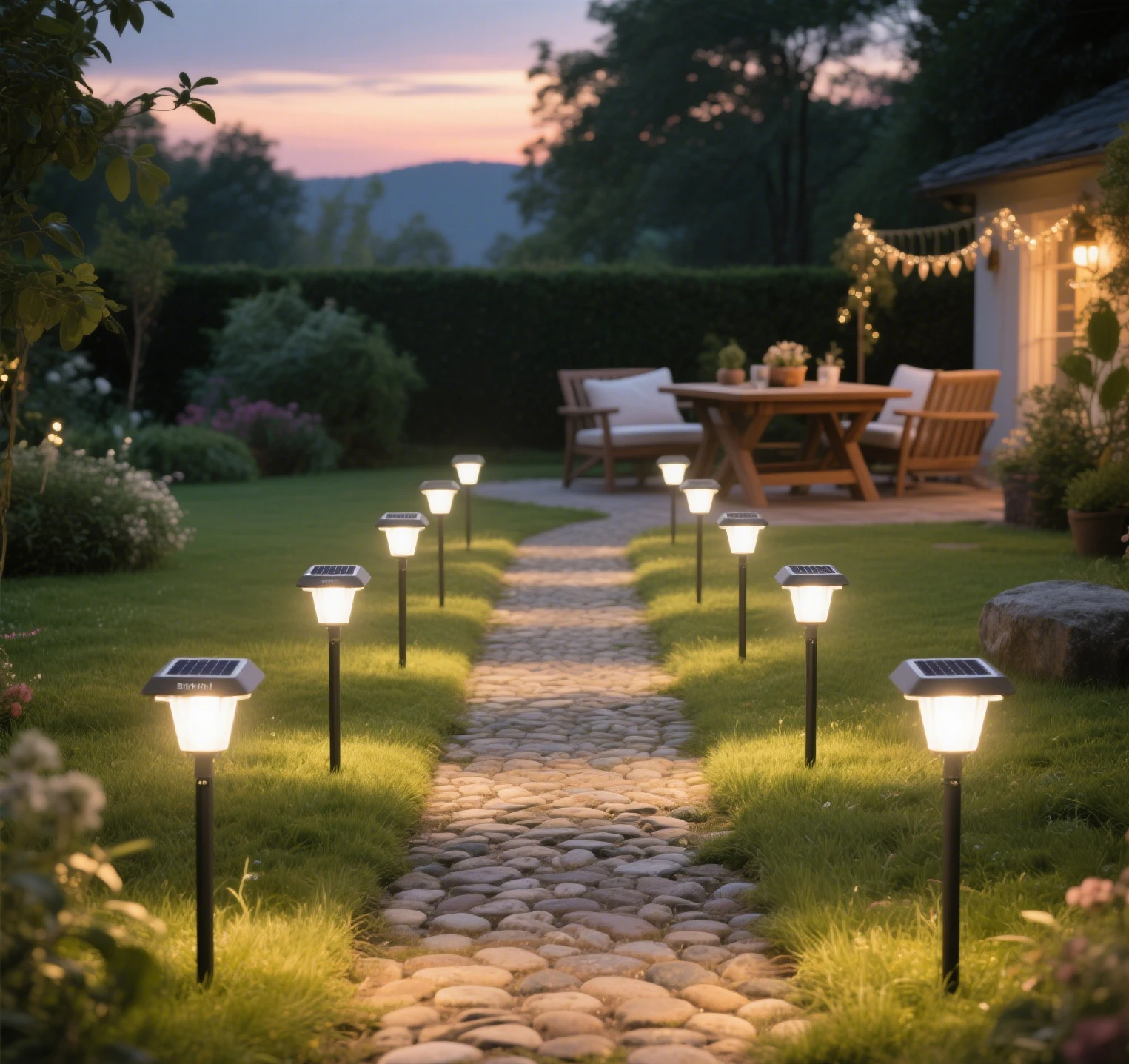
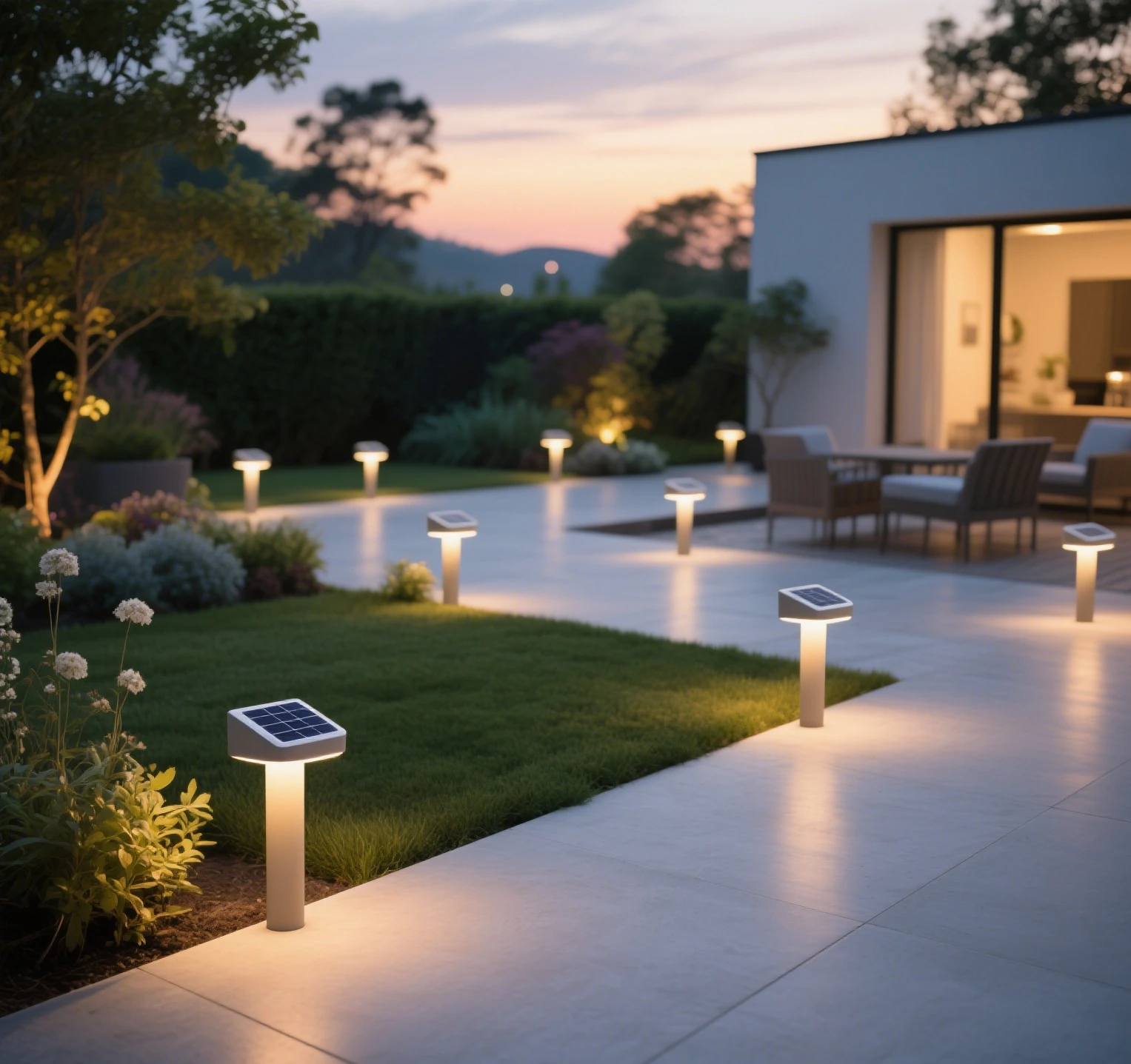
- Solar Pathway Lights: These typically emit 50–100 lumens, ideal for illuminating walkways or garden borders. Their illumination range spans 3–5 meters, providing soft, ambient light. For example, a 100-lumen solar stake light can highlight a 4-meter path, ensuring safe navigation.
- Solar String Lights: Popular for outdoor aesthetic lighting, these lights offer 10–50 lumens per bulb, with a collective glow covering 5–10 meters depending on string length. They’re perfect for draping over pergolas or trees, creating a festive outdoor lighting ambiance.
- Solar Lanterns: These deliver 80–150 lumens, suitable for focused illumination on patios or tables. Their light coverage area typically extends 3–4 meters, making them ideal for intimate settings. A high-quality solar lantern can rival traditional electric lanterns in brightness.
- Solar Spotlights: Designed for accentuating features like statues or trees, these produce 100–200 lumens with a focused beam range of 5–8 meters. They’re excellent for landscape lighting solutions where dramatic effects are desired.
When selecting solar garden lights, consider your space’s needs. For large yards, opt for higher-lumen solar spotlights; for cozy patios, solar fairy lights create a warm glow. Check product specifications for solar light brightness and illumination range to match your outdoor lighting design.
Troubleshooting Common Issues
Even the best decorative solar lights can encounter issues. Here are solutions to common problems, ensuring your outdoor solar lighting stays reliable:
- Lights Not Turning On: If your solar lights don’t illuminate, the solar panel may be dirty, reducing charge efficiency. Wipe it clean with a damp cloth and test after a full day’s charge. Alternatively, check if the battery is properly seated or needs replacement.
- Dim or Flickering Lights: This often indicates a weak battery or insufficient sunlight. Relocate the light to a sunnier spot or adjust the solar panel angle. If the issue persists, replace the battery, as it may have reached the end of its 2–3-year lifespan.
- Short Illumination Time: If lights fade quickly, the solar battery storage may be compromised. Ensure the panel receives full sunlight and isn’t shaded during the day. Low-quality batteries may also be the culprit—opt for reputable brands with high-capacity cells.
- Water Damage: For solar patio lights exposed to heavy rain, check for cracked casings or loose seals. Apply waterproof sealant and ensure drainage holes are clear to prevent water ingress.
These solar light troubleshooting tips, drawn from user forums and manufacturer guides, help resolve issues quickly, maintaining your outdoor lighting performance.
User Insights and Real-World Applications
Social media platforms like Pinterest and Instagram showcase how users leverage decorative solar lights for stunning effects. One homeowner shared photos of solar pathway lights lining their driveway, noting, “They make coming home feel like entering a resort!” The 80-lumen lights provided a 4-meter illumination range, enhancing both safety and aesthetics. Another user posted about solar string lights wrapped around a pergola, creating a “starry night vibe” for summer dinners, with the lights’ 50-lumen glow covering a 6-meter area.
These examples highlight the user-friendly solar lighting experience—easy to install, low maintenance, and visually transformative. Industry data supports this enthusiasm: a 2024 report noted a 15% rise in solar lighting market demand, driven by consumers seeking sustainable outdoor lighting that balances style and function.
Conclusion: Illuminating Your Outdoors with Ease
Decorative solar lights offer a perfect blend of style, sustainability, and simplicity. By following solar light installation tips, maintaining panels and batteries, and understanding performance metrics like solar light brightness and illumination range, you can create a captivating outdoor glow. Troubleshooting common issues ensures long-term reliability, while real-world user stories inspire creative applications. As the solar lighting industry grows, these lights remain a top choice for eco-conscious homeowners seeking to illuminate their spaces with minimal effort and maximum impact.
Leave a Reply