


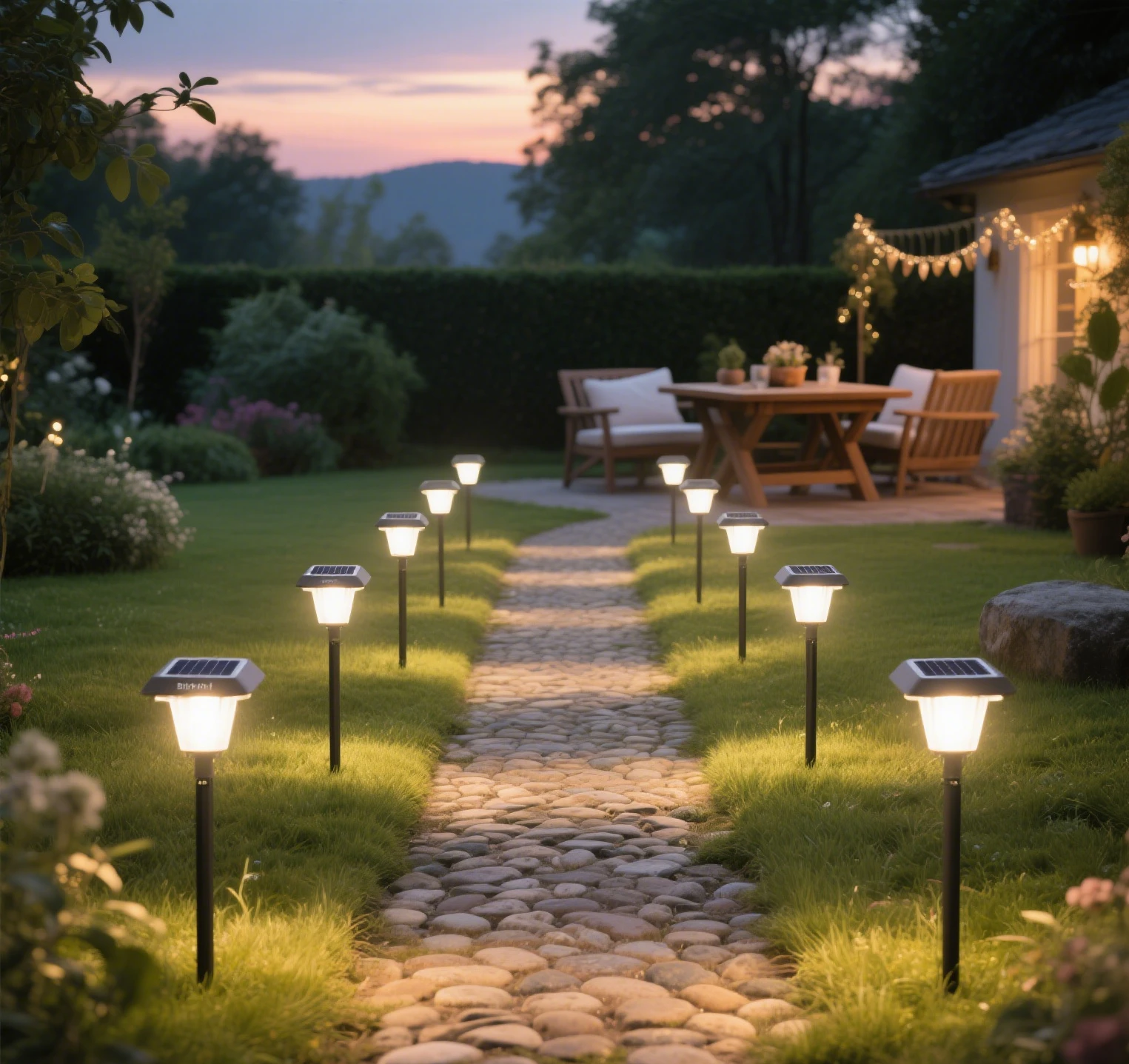
Solar power lights have surged in popularity as homeowners, businesses, and outdoor enthusiasts seek energy-efficient lighting solutions that reduce electricity costs and environmental impact. A common question arises: Do solar power lights need direct sunlight to function effectively? While direct sunlight enhances performance, these innovative devices can still generate power in various lighting conditions, making them a versatile choice for sustainable outdoor lighting. This article explores how solar-powered lamps work, the role of sunlight in their operation, their performance under different conditions, and practical tips to maximize their efficiency.
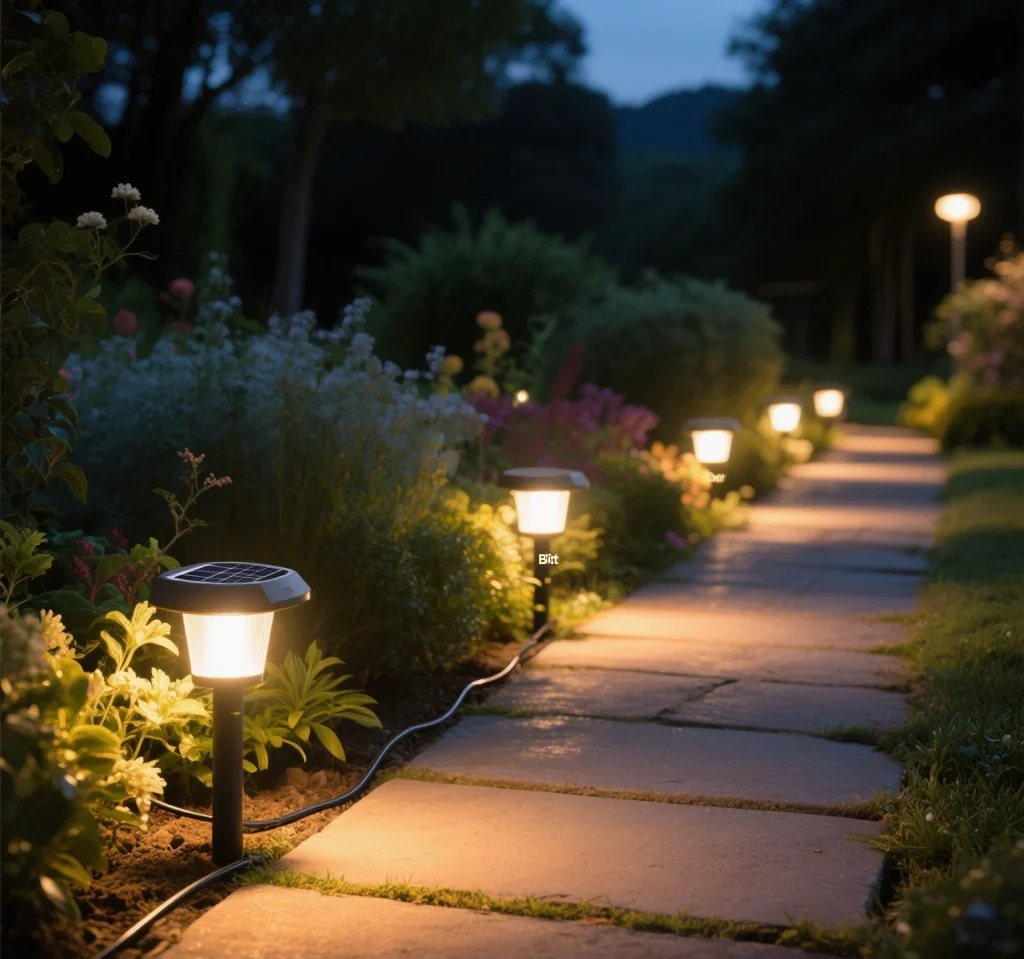
How Do Solar Power Lights Work?
To understand whether solar power lights require direct sunlight, it’s essential to grasp their basic functionality. These lights rely on photovoltaic cells, typically made of silicon, to convert sunlight into electricity through the photovoltaic effect. When sunlight hits the solar panel, photons excite electrons in the cells, generating an electric current. This current charges a rechargeable battery, which stores energy to power the LED lights at night. The system typically includes a solar panel, battery, LED light, and sometimes a motion sensor or light sensor to automate operation.
Unlike traditional lighting, solar-powered lamps don’t depend on grid electricity, making them ideal for off-grid lighting applications like garden paths, streetlights, or remote areas. However, the efficiency of energy conversion depends on the quality of the solar panel efficiency and the intensity of light received. While direct sunlight optimizes charging, modern solar lighting technology allows these systems to function in less-than-ideal conditions.
The Role of Direct Sunlight in Solar Power Lights
Direct sunlight provides the highest intensity of solar radiation, enabling solar power lights to charge at their maximum capacity. In optimal conditions, a solar panel can receive up to 1000 watts per square meter of sunlight, allowing for rapid battery charging—often within 4 to 8 hours for robust systems like solar street lights. This is why manufacturers recommend placing solar-powered lamps in areas with unobstructed access to sunlight, ideally facing south in the Northern Hemisphere to maximize solar exposure.
However, direct sunlight isn’t the only source of energy for these devices. Solar panels can capture diffuse light, which is sunlight scattered by clouds, fog, or other atmospheric conditions. On cloudy days, solar power lights can still charge, albeit at a reduced efficiency, typically producing 10-25% of their optimal output, depending on cloud density and panel quality. This adaptability makes solar garden lights and other solar-powered outdoor lights viable even in regions with frequent overcast weather.
Performance in Various Weather Conditions
Cloudy and Overcast Days
Cloud cover scatters sunlight, reducing the intensity of solar radiation reaching the panel. While solar power lights can still generate electricity from diffuse light, their output may drop significantly—sometimes by 40-90%, depending on the thickness of the clouds. High-quality solar panels, such as those using monocrystalline silicon, perform better in low-light conditions due to their superior solar panel efficiency. Additionally, phenomena like cloud lensing, where high-altitude clouds magnify sunlight through ice crystals, can occasionally boost performance under specific conditions.
Rain and Snow
Rain doesn’t directly hinder solar-powered lamps, as sunlight can penetrate light rain clouds. In fact, rainfall can benefit solar panels by washing away dust and debris, improving light absorption. For solar pathway lights, this natural cleaning effect enhances long-term performance. Snow presents a greater challenge, as heavy accumulation can block sunlight. However, solar power lights are often designed with angled panels to shed snow, and light snow allows some sunlight to pass through. Cold temperatures can even improve solar panel efficiency, as lower temperatures reduce resistance in the photovoltaic cells, leading to higher voltage output.
Shade and Indirect Light
Shading from trees, buildings, or other obstructions can significantly reduce the efficiency of solar power lights. Even partial shade can lower output, as solar cells are often connected in series, meaning one shaded cell can impact the entire panel. However, advancements like bifacial solar panels, which capture light on both sides, and microinverters, which optimize individual panel performance, mitigate these effects. For solar garden lights in partially shaded areas, choosing high-efficiency monocrystalline panels or repositioning the lights to avoid shadows can improve performance.
Can Solar Power Lights Work Without Sunlight?
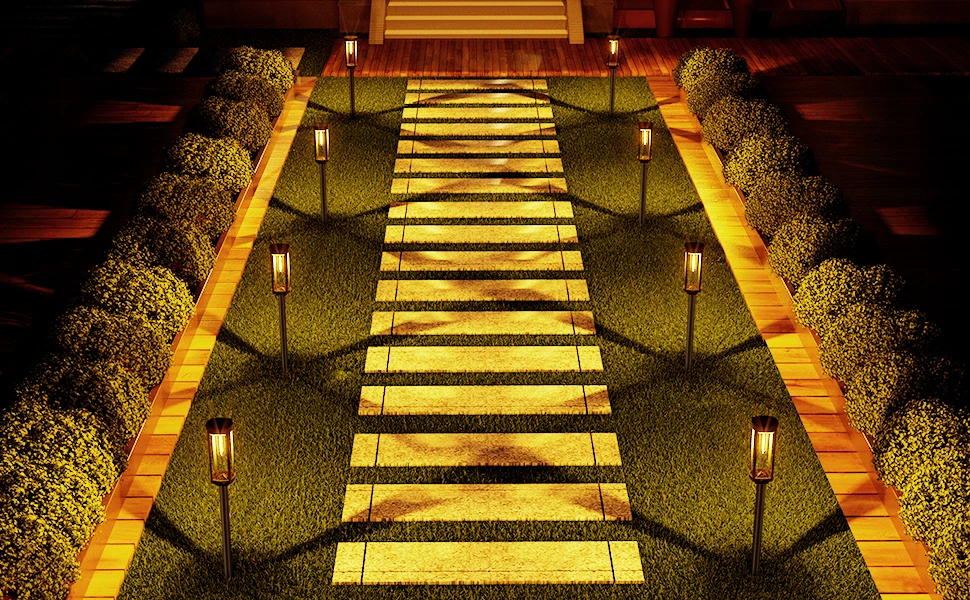
A common misconception is that solar power lights require direct sunlight to function at all. While they perform best in bright conditions, they can still charge using indirect sunlight or even artificial light sources, though with limitations. For example, incandescent bulbs can charge solar panels to some extent, as their light spectrum is similar to sunlight. However, artificial light is far less intense, requiring 2-5 hours longer to achieve a comparable charge, making it impractical for most applications. This is why solar-powered lamps are designed to rely on natural light, with rechargeable batteries storing enough energy to power lights for 8-12 hours after a full charge.
At night, solar power lights cannot generate electricity, as they rely on stored energy from the rechargeable battery. A robust battery storage system ensures consistent performance, even during extended cloudy periods. For instance, high-capacity solar street lights can provide illumination for 5-7 days without sunlight, assuming the battery is fully charged.
Maximizing Efficiency of Solar Power Lights
To ensure solar power lights perform optimally, consider the following strategies:
- Optimal Positioning: Place solar panels in a location with maximum solar exposure, ideally facing south in the Northern Hemisphere and tilted at an angle matching the latitude of the installation site. Avoid areas with frequent shading from trees or buildings.
- High-Quality Panels: Invest in monocrystalline solar panels for better solar panel efficiency in low-light conditions. These panels are more effective at capturing diffuse light and have higher durability.
- Regular Maintenance: Clean solar panels periodically to remove dust, dirt, or snow, as these can reduce light absorption. Rainfall often helps, but manual cleaning with a microfiber cloth and water may be necessary in dry or polluted areas.
- Advanced Technology: Choose solar power lights with smart inverters or Maximum Power Point Tracking (MPPT) technology, which optimizes energy output in varying light conditions. Bifacial solar panels can also increase efficiency by capturing reflected light.
- Battery Storage: Ensure the rechargeable battery has sufficient capacity to store energy for nighttime use or cloudy days. Regularly check battery health, as degraded batteries reduce performance.
- Reflective Surfaces: In low-light environments, use mirrors or reflective materials to redirect sunlight onto the solar panel, enhancing solar radiation exposure.
The Advantages of Solar Power Lights
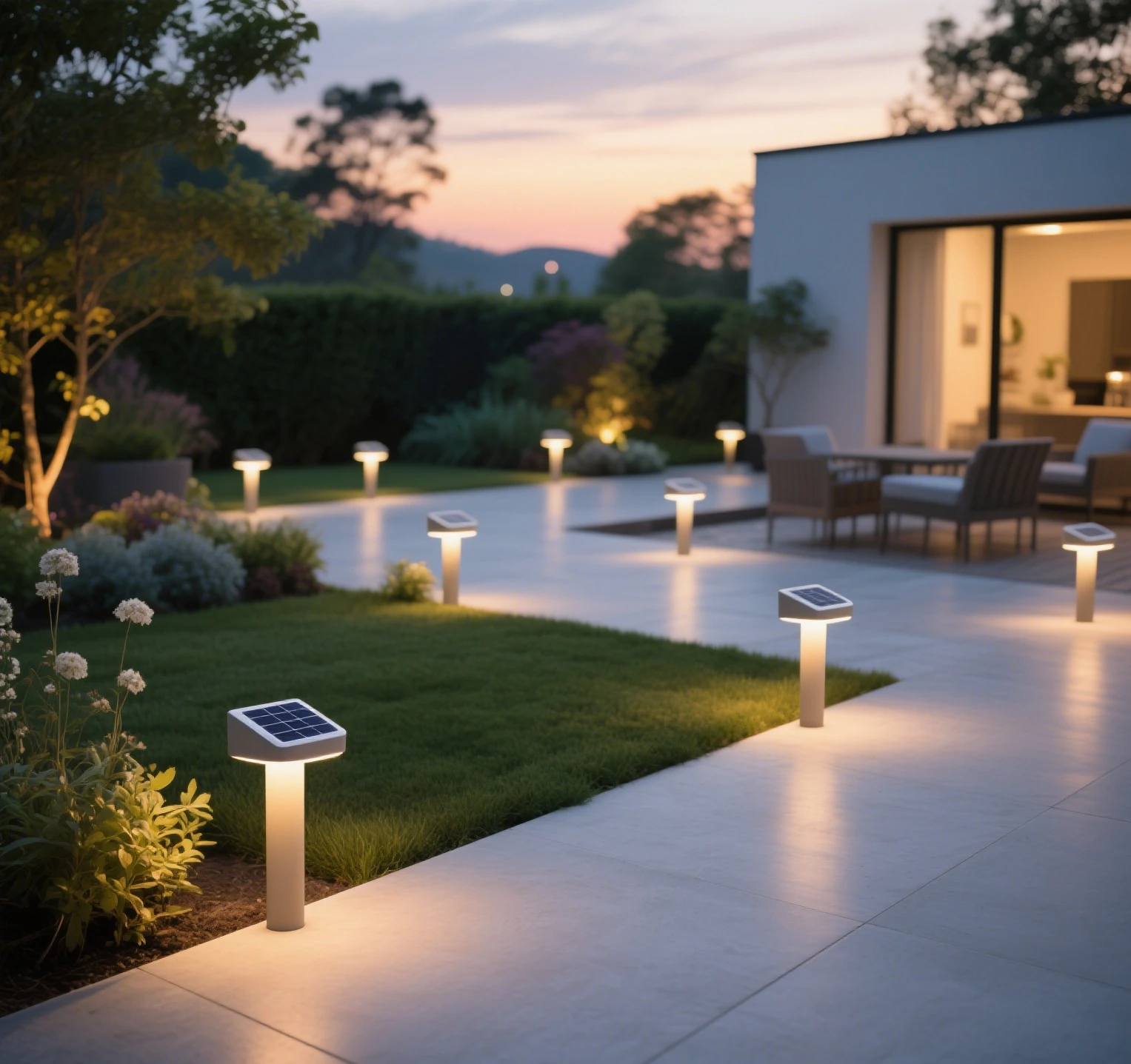
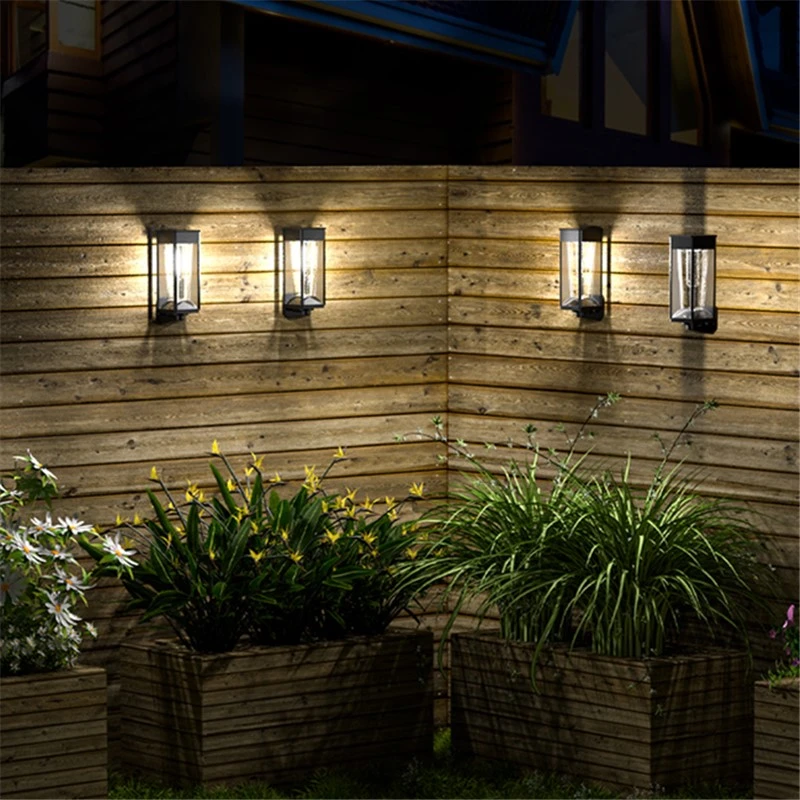
Solar-powered lamps offer numerous benefits, making them an attractive choice for sustainable outdoor lighting. They are energy-efficient lighting solutions that reduce reliance on grid electricity, lowering energy bills and carbon footprints. Their eco-friendly lighting design aligns with global sustainability goals, as they produce no emissions during operation. Additionally, solar power lights are easy to install, requiring no wiring, which makes them ideal for off-grid lighting in remote areas or as solar pathway lights in gardens.
Their versatility in various weather conditions further enhances their appeal. Whether used for solar street lights in urban settings or solar garden lights in residential spaces, these systems provide reliable illumination with minimal maintenance. The integration of motion sensors and LED lights ensures energy is used efficiently, extending battery life and reducing costs.
Addressing Common Misconceptions
One myth is that solar power lights are ineffective in regions with limited sunlight. While their efficiency decreases in low-light conditions, modern solar lighting technology ensures they remain functional. Another misconception is that solar panels require constant direct sunlight to charge. As discussed, diffuse light and even indirect sunlight can generate electricity, making solar-powered lamps viable in diverse climates.
Future Innovations in Solar Lighting
The solar lighting technology field is rapidly evolving. Innovations like perovskite solar cells promise higher solar panel efficiency and better performance in low-light conditions. Additionally, advancements in battery storage systems are extending the operational life of solar power lights, while smart technologies like MPPT controllers optimize energy harvest. These developments will make solar-powered outdoor lights even more reliable and accessible, supporting the global transition to renewable energy.
Conclusion
Solar power lights do not strictly require direct sunlight to function, as they can generate electricity from diffuse light and indirect sunlight. While direct sunlight maximizes solar panel efficiency, modern solar-powered lamps are designed to perform in various conditions, from cloudy days to partially shaded areas. By optimizing placement, choosing high-quality monocrystalline panels, and incorporating smart inverters or bifacial solar panels, users can ensure consistent performance. As sustainable outdoor lighting solutions, solar power lights offer an eco-friendly lighting option that reduces costs and environmental impact, making them a smart choice for a greener future.
Leave a Reply