


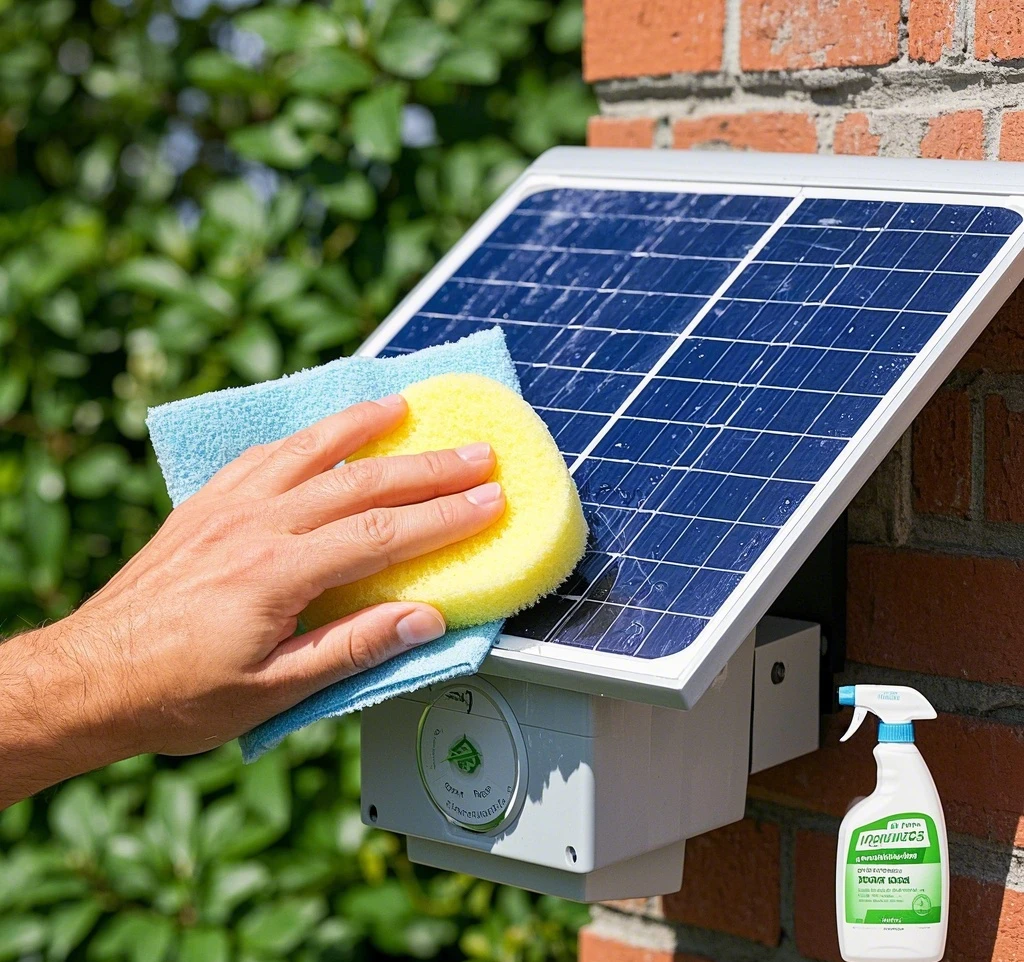
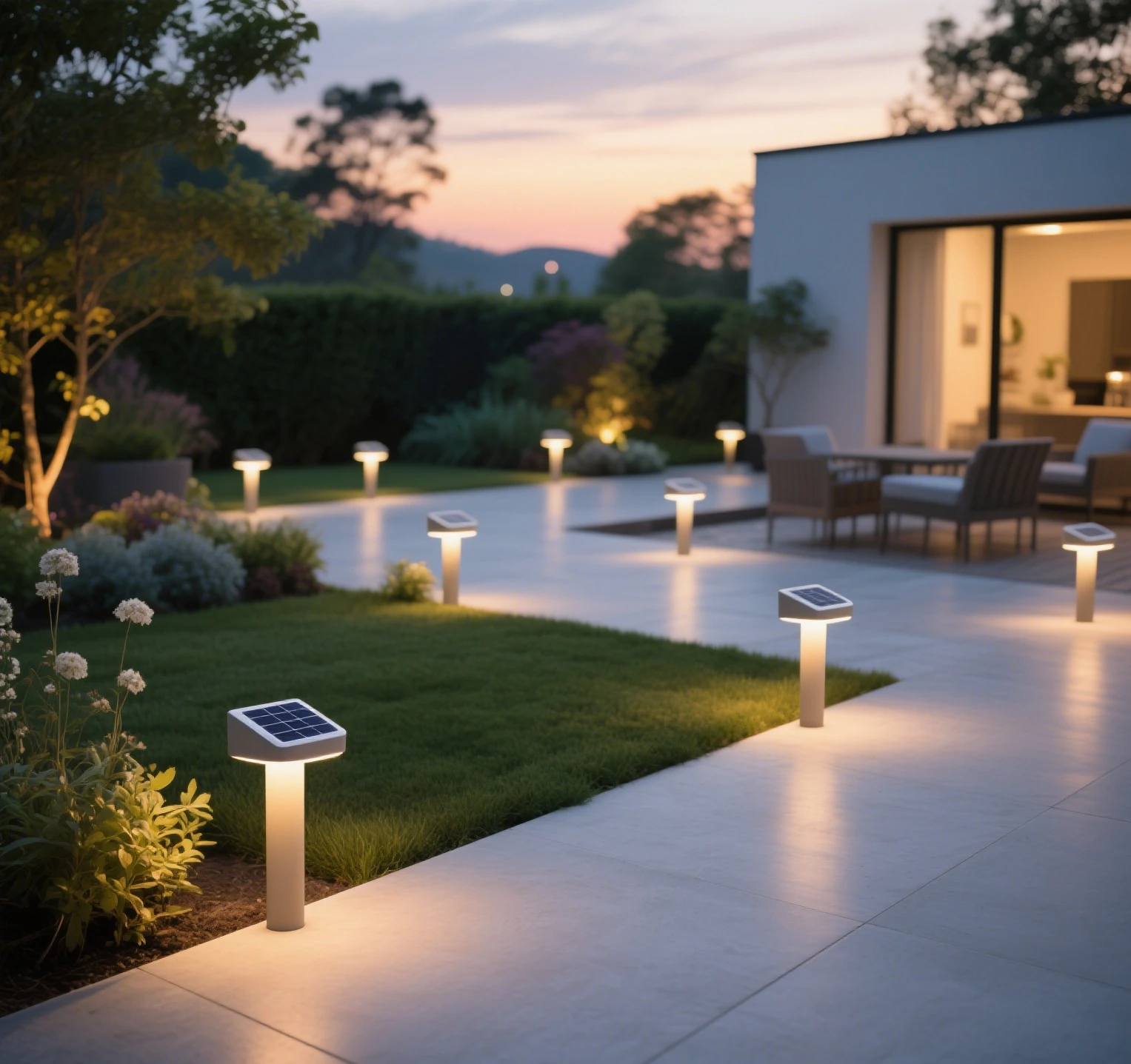
Solar garden lights are a popular choice for homeowners seeking eco-friendly lighting to brighten pathways, patios, and gardens. These lights rely on solar panels to harness solar energy and power LED lights through rechargeable batteries. However, over time, dirt, dust, leaves, and other debris can accumulate on the solar panel, reducing its efficiency and dimming the light output. Proper cleaning is essential to maintain the performance of solar lights and extend their lifespan. This article provides a comprehensive guide on how to clean solar panels on garden lights, offering practical steps, safety tips, and maintenance strategies to ensure optimal functionality.
Why Cleaning Solar Panels is Important
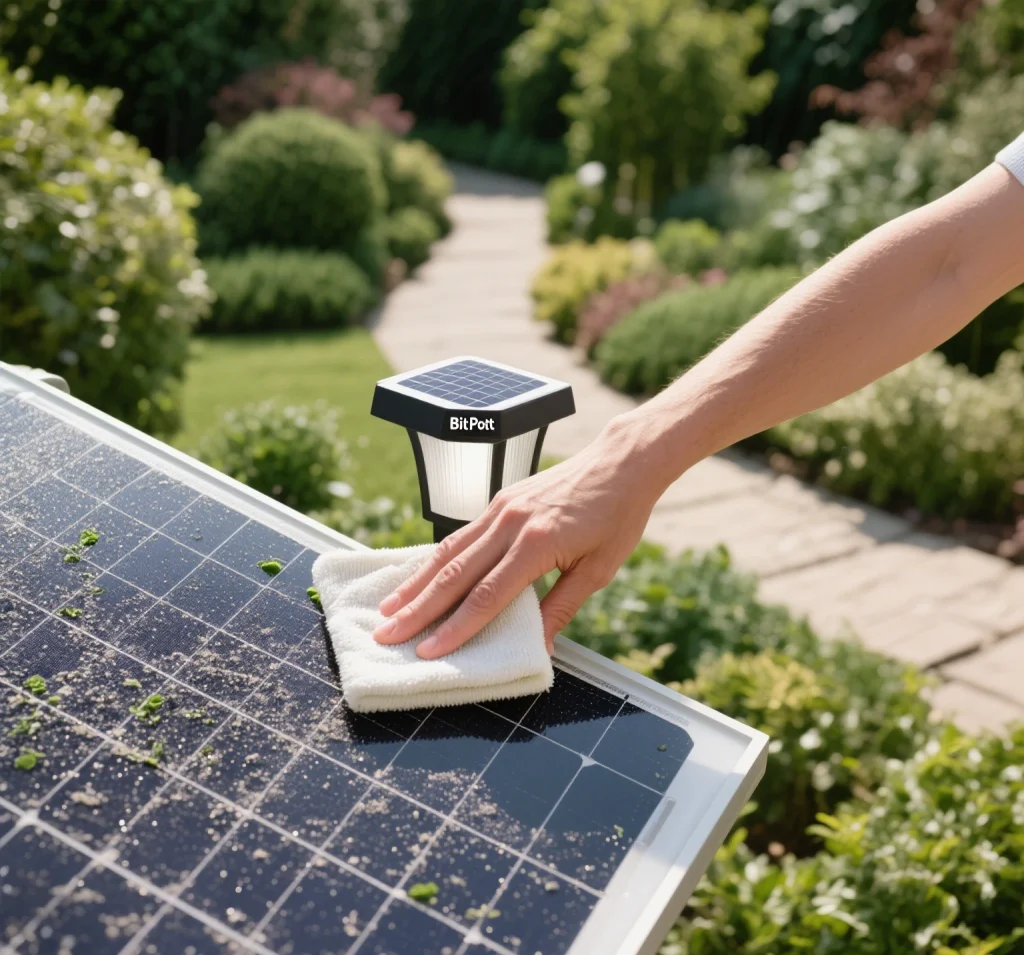
The solar panel is the heart of any solar garden light, converting sunlight into electricity to charge the rechargeable battery. When the panel is covered with dirt, pollen, bird droppings, or other debris, its ability to absorb solar energy diminishes. According to industry studies, a dirty solar panel can lose up to 20% of its efficiency, leading to shorter illumination times or complete failure of the solar light. Regular cleaning not only enhances the performance of solar lights but also prevents long-term damage to the solar panel and other components, ensuring your garden lighting remains bright and reliable.
Tools and Materials Needed
Before cleaning your solar panels on garden lights, gather the necessary tools and materials to ensure a safe and effective process. Here’s what you’ll need:
- Soft cloth or sponge: Use a non-abrasive material to avoid scratching the solar panel.
- Mild dish soap: A gentle detergent helps remove stubborn grime without damaging the panel’s surface.
- Warm water: Avoid hot water, which can cause thermal shock to the solar panel.
- Bucket or container: For mixing water and soap.
- Soft-bristled brush: Useful for dislodging debris without harming the panel.
- Microfiber cloth: Ideal for drying and polishing the solar panel to prevent water spots.
- Ladder or step stool (if needed): For reaching higher-placed solar garden lights.
- Gloves (optional): To protect your hands and improve grip.
Avoid using harsh chemicals, abrasive scrubbers, or pressure washers, as these can damage the solar panel or the lamp housing, reducing the durability of solar lights.
Step-by-Step Guide to Cleaning Solar Panels on Garden Lights
Step 1: Turn Off the Solar Light
For safety, ensure the solar garden light is turned off before cleaning. Many solar lights have an on/off switch located near the solar panel or battery compartment. If your light lacks a switch, clean during the daytime when the solar panel is not actively charging to avoid electrical issues. This step protects both you and the light’s internal components.
Step 2: Remove Loose Debris
Start by gently removing loose debris such as leaves, dust, or twigs from the solar panel. Use a soft-bristled brush or your gloved hand to sweep away particles. For solar garden lights installed in areas with heavy tree cover, check for sap or pollen, which can stick to the panel and require extra care during cleaning. Removing debris first prevents scratching the panel when you begin washing.
Step 3: Prepare a Cleaning Solution
Mix a small amount of mild dish soap with warm water in a bucket or container. A ratio of one teaspoon of soap per gallon of water is sufficient to create a gentle cleaning solution. Avoid using harsh detergents, bleach, or ammonia-based cleaners, as these can degrade the solar panel’s protective coating or damage the lamp housing.
Step 4: Wipe the Solar Panel
Dip a soft cloth or sponge into the cleaning solution and gently wipe the solar panel in a circular motion. Focus on areas with visible dirt or grime, such as bird droppings or smudges. For stubborn stains, let the soapy water sit on the panel for a minute before wiping to loosen the debris. Be gentle to avoid scratching the surface, which could impair the performance of solar lights.
Step 4.5: Address Stubborn Stains (Optional)
For particularly tough stains, such as tree sap or grease, use a soft-bristled brush to lightly scrub the affected area. If the stain persists, apply a small amount of isopropyl alcohol (70% or less) to a soft cloth and dab the spot carefully. Avoid excessive pressure, as this could damage the solar panel’s surface.
Step 5: Rinse the Panel
Rinse the solar panel with clean warm water to remove any soap residue. You can pour water from a container or use a hose on a low-pressure setting. High-pressure water can damage the lamp housing or seep into the battery compartment, so exercise caution. Ensure all soap is removed, as residue can attract more dirt over time.
Step 6: Dry the Panel
Use a microfiber cloth to dry the solar panel thoroughly. This step prevents water spots, which can reduce the panel’s efficiency by blocking sunlight. Gently polish the surface to restore its clarity. If the solar garden light is portable, allow it to air-dry in a sunny spot for a few hours to ensure no moisture remains.
Step 7: Inspect and Test
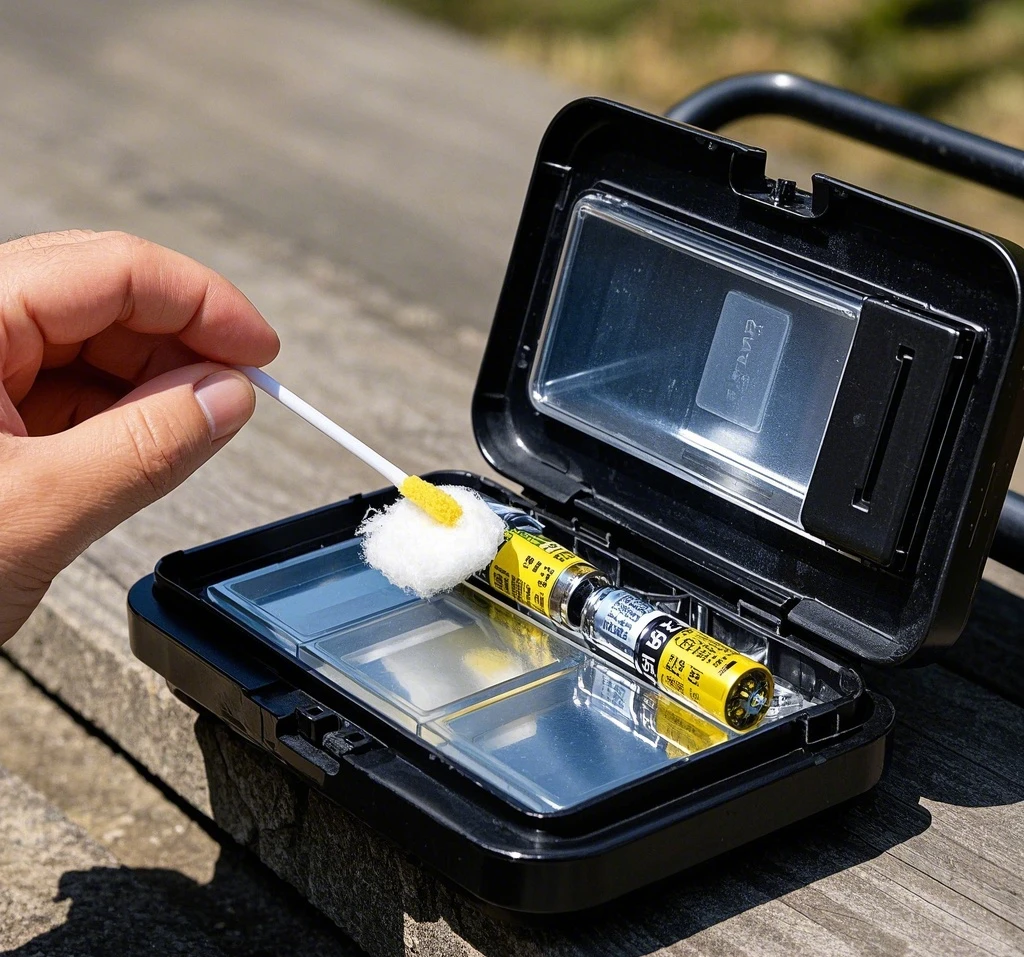
After cleaning, inspect the solar panel and lamp housing for cracks, corrosion, or signs of water ingress. Check the rechargeable battery and connections if accessible, as dirt or moisture can affect these components. Turn the light back on and test its performance at night to confirm that cleaning has improved its brightness and lifespan.
Cleaning Frequency and Seasonal Considerations
The frequency of cleaning depends on your location and environmental conditions. In dusty or pollen-heavy areas, clean solar panels on garden lights every 1-2 months to maintain optimal solar energy capture. In coastal regions, where salty air can cause corrosion, monthly cleaning may be necessary. During autumn, when leaves and debris are common, or after heavy storms, inspect and clean the panels more frequently. In winter, remove snow or ice gently with a soft cloth to prevent scratching, as cold temperatures can make solar panels more brittle.
Additional Maintenance Tips for Solar Garden Lights
Cleaning the solar panel is just one aspect of maintaining solar garden lights. Here are additional strategies to enhance their durability of solar lights:
- Check Battery Health: The rechargeable battery can degrade over time, reducing the light’s performance. Replace NiMH or lithium-ion batteries every 1-2 years or as needed to maintain brightness.
- Inspect Lamp Housing: Ensure the lamp housing is intact and sealed to prevent water or dust from entering the battery compartment. Replace damaged units promptly.
- Optimize Placement: Position solar garden lights in areas with at least 6-8 hours of direct sunlight daily. Avoid shaded spots under trees or buildings to maximize solar energy absorption.
- Use Energy-Saving Features: Lights with motion sensors or dimmable settings reduce battery strain, extending the lifespan of solar lights.
Common Mistakes to Avoid
To protect your solar garden lights during cleaning, avoid these common pitfalls:
- Using Abrasive Materials: Steel wool or rough scrubbers can scratch the solar panel, reducing its efficiency.
- Applying Harsh Chemicals: Bleach, ammonia, or acidic cleaners can damage the panel’s protective coating or the lamp housing.
- Cleaning in Direct Sunlight: Hot panels can crack if exposed to cold water. Clean during early morning or late afternoon when the panel is cooler.
- Ignoring Other Components: While cleaning the solar panel, check the LED light and battery compartment for dirt or corrosion to ensure overall performance of solar lights.
The Role of Technology in Solar Panel Maintenance
Advancements in solar technology are making solar garden lights more resilient to environmental challenges. Some modern solar panels feature self-cleaning coatings that repel dust and water, reducing the need for frequent cleaning. Additionally, smart controllers with remote monitoring capabilities allow users to track the performance of solar lights and schedule maintenance. Investing in high-quality solar garden lights with monocrystalline solar panels and IP65 waterproof ratings can minimize cleaning needs and enhance durability.
Environmental and Economic Benefits
Regular cleaning of solar panels on garden lights not only improves their performance but also maximizes their eco-friendly lighting benefits. By maintaining efficient solar energy capture, you reduce reliance on grid electricity, lowering your carbon footprint. Well-maintained solar lights also save money by delaying the need for replacements, offering a better return on investment over time.
Conclusion
Cleaning solar panels on garden lights is a simple yet essential task to ensure bright, reliable, and eco-friendly lighting. By following the steps outlined—using gentle tools, mild solutions, and proper techniques—you can boost the performance of solar lights and extend their lifespan. Regular maintenance, combined with smart placement and quality components, ensures your solar garden lights continue to illuminate your outdoor spaces sustainably. With a little care, your solar-powered lights will shine brightly for years, enhancing both your garden’s beauty and your commitment to solar energy.
Leave a Reply