


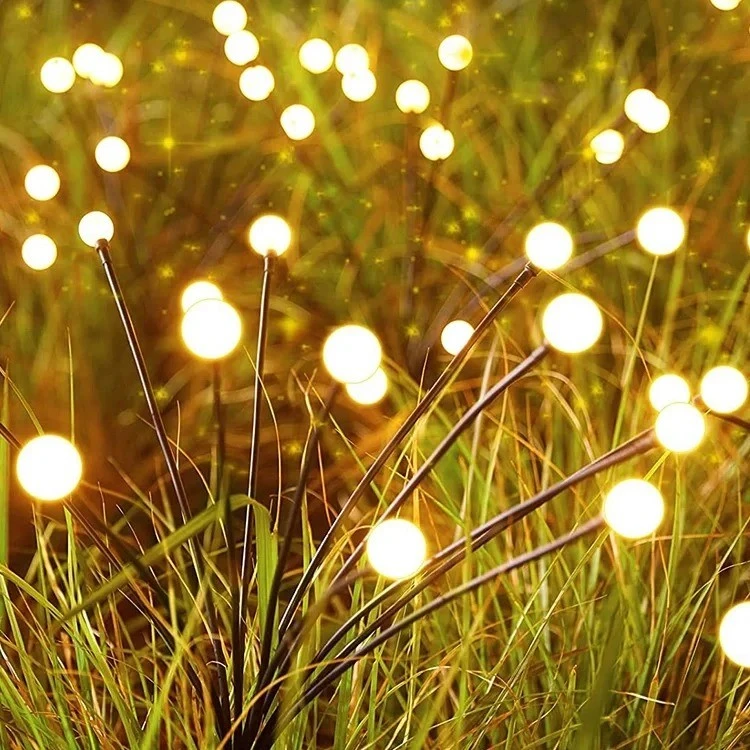
More U.S. homeowners are embracing minimalist backyard designs, craving clean lines and uncluttered spaces. Traditional solar lights, with their bulky shapes, bright colors, or exposed setups, can stick out like a sore thumb, ruining the sleek vibe. Minimalist solar lighting offers a solution, blending discreetly into landscapes while prioritizing soft, intentional light. This guide explores how to use solar lights to create a “hidden glow” that enhances simplicity without sacrificing function.
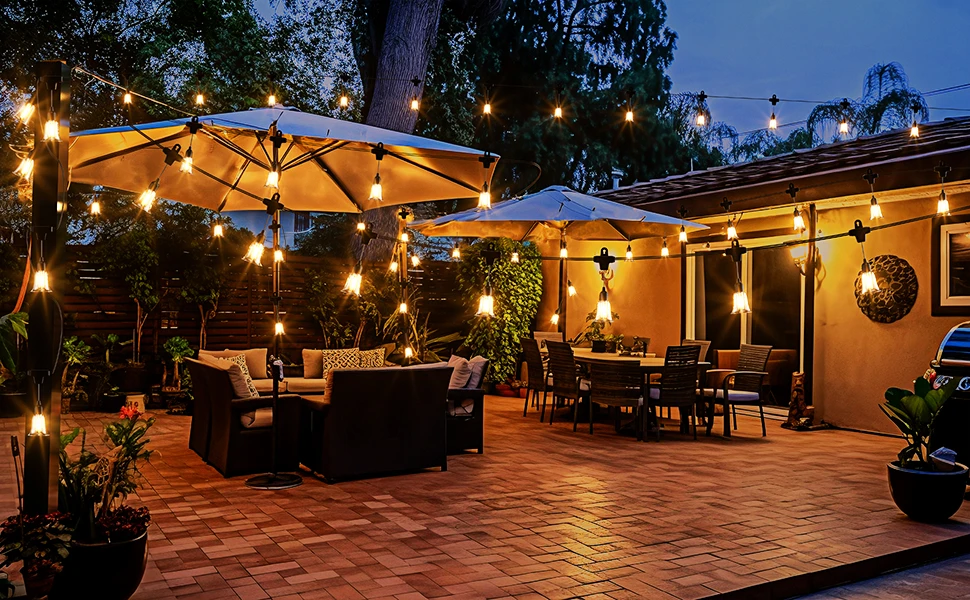
Hidden Designs for a Clean Look
Minimalist solar lighting is all about staying out of sight while delivering subtle illumination. By choosing designs that blend with surroundings, you can keep your backyard’s aesthetic pristine. Here’s how to achieve that invisible charm:
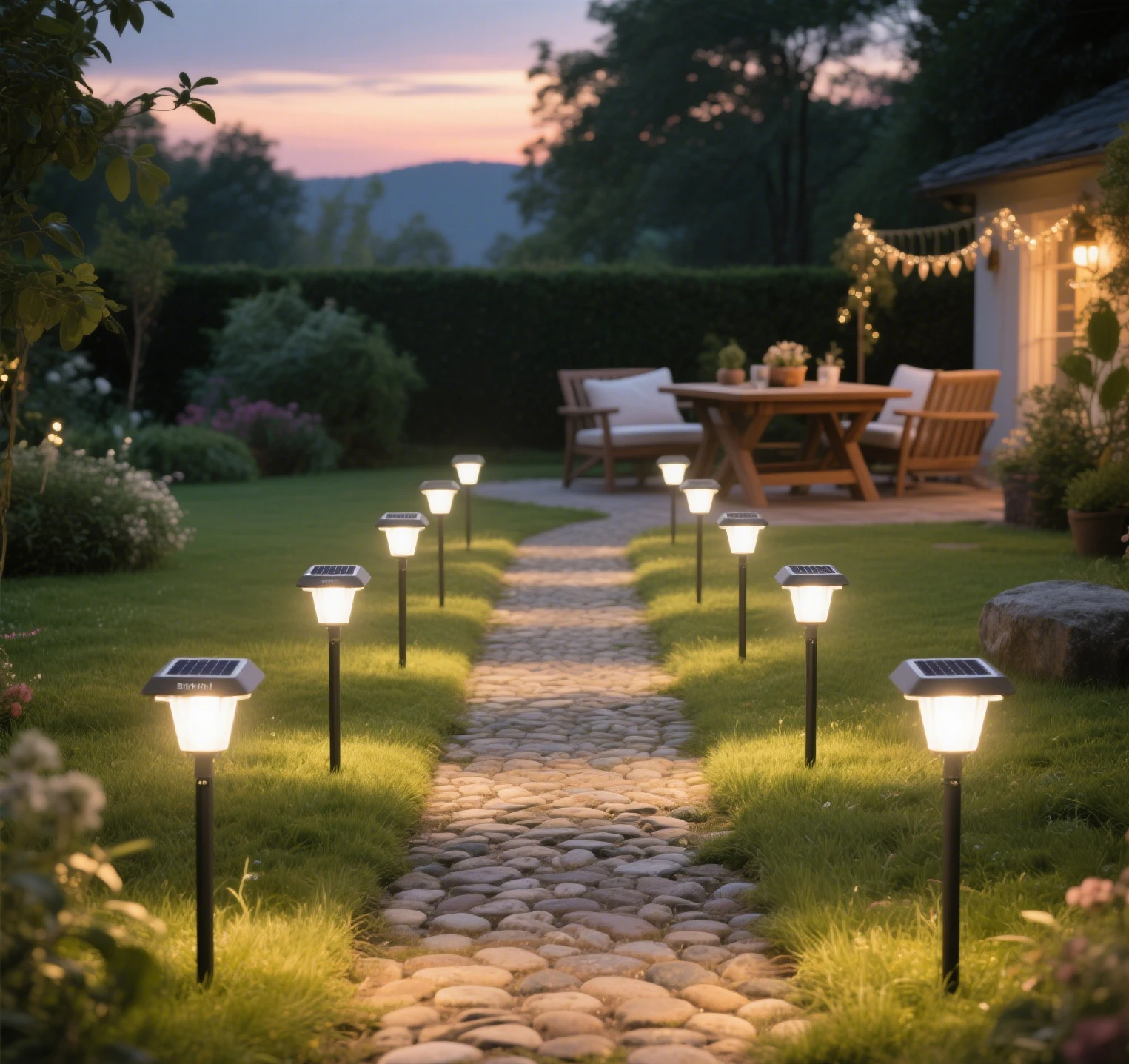
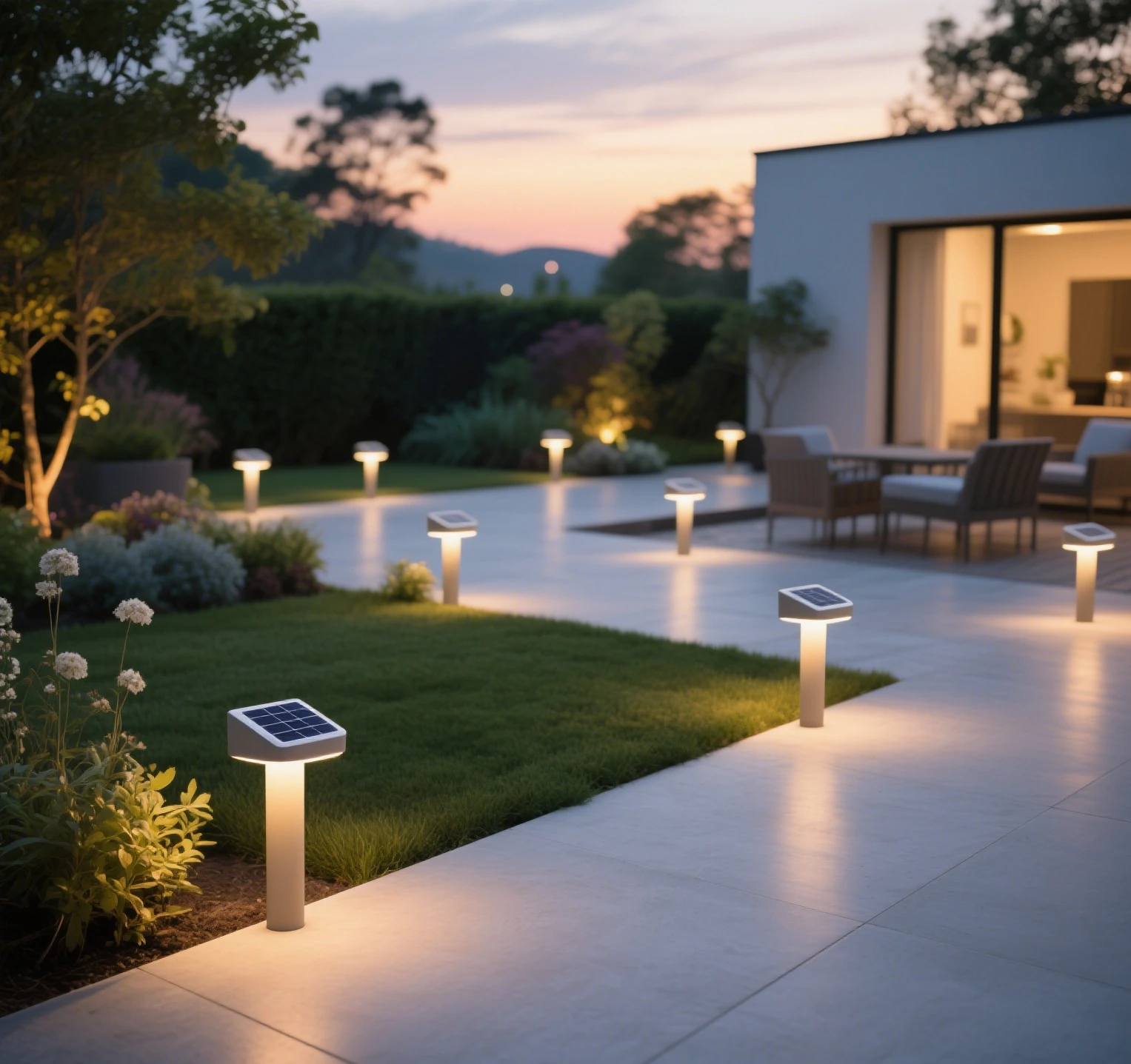
- Flush-Mounted Solar Pathway Lights: Opt for in-ground models that sit level with walkway bricks or pavers. Only their soft-glow panels are visible, casting 20–50 lumens without protruding fixtures disrupting the clean lines of a path.
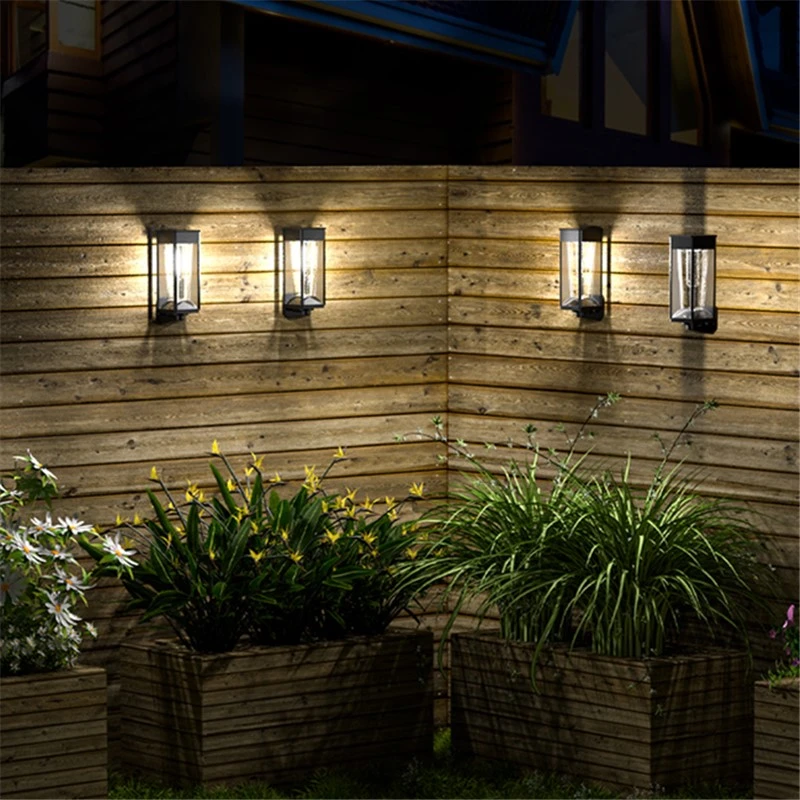
- Flat-Panel Solar Wall Lights: Choose slim, tablet-style lights in neutral tones like beige or light gray to match your home’s exterior. These blend into walls, offering 50–100 lumens for porches or fences while looking like part of the architecture.
- Low-Profile Solar String Lights: Go for thin-wire strands with low-saturation LED beads (10–30 lumens per bulb). Wrapped around shrubs or tree branches, they create a twinkling effect where the light shines but the wires vanish into foliage.
These minimalist solar lighting options ensure your backyard stays sleek, with fixtures that fade into the background while their glow takes center stage.
Crafting a Soft, Atmospheric Glow
Minimalism thrives on light that enhances mood without overpowering the space. By focusing on diffused, warm illumination, solar lights can highlight your backyard’s features while keeping things serene. Here’s how to control light and shadow:
- Buried Solar Garden Lights: Choose ground-embedded floodlights that spread 30–80 lumens across lawns or gravel beds. Their low-angle beams illuminate surfaces without drawing attention to the lamp itself, perfect for open minimalist spaces.
- Compact Solar Spotlights: Hide small, 50–100-lumen spotlights in bushes or behind rocks to cast light on focal points like a Zen rock garden or a simple sculpture. The light emphasizes the feature, not the fixture.
- Warm, Subtle Brightness: Stick to 30–80 lumens in warm white (2700–3000K) for a cozy, tranquil vibe. Avoid harsh cool tones or overly bright beams that clash with minimalist calm.
This approach makes minimalist solar lighting feel like a natural extension of your backyard, enhancing its beauty without stealing the show.
Why Solar Fits Minimalist Goals
Solar lights align perfectly with minimalist principles—simplicity, sustainability, and function. Here’s why they’re a natural choice for this aesthetic:
- No Wiring Clutter: Solar eliminates cords and outlets, keeping your design clean and installation hassle-free.
- Eco-Friendly Efficiency: Powered by sunlight, these lights cut energy costs and align with minimalist values of reducing excess.
- Low Maintenance: With IP65 waterproofing and 8–12-hour runtimes from 1,000–2,000 mAh batteries, they work reliably with minimal upkeep.
- Customizable Ambiance: Many models offer dimming or color-temperature settings, letting you fine-tune the mood without extra gear.
By blending technology with understated design, solar lights deliver both practicality and the serene aesthetic minimalists crave.
Practical Tips for Seamless Integration
To nail the minimalist look with solar lighting, placement and choice matter. Here’s how to make it work:
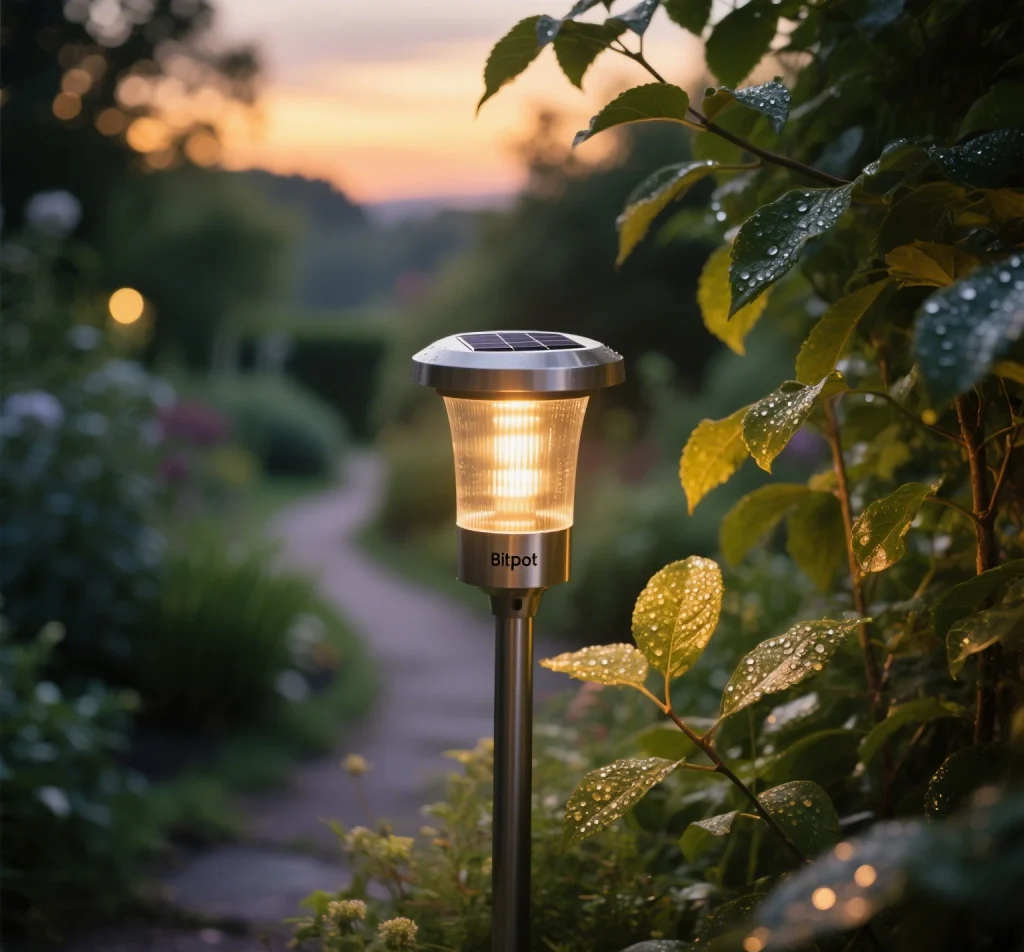
- Match Materials: Pick lights with finishes (matte black, brushed steel, or neutral tones) that echo your backyard’s palette for a cohesive feel.
- Maximize Sun Exposure: Place panels in unshaded spots—south-facing is best—to ensure 6–8 hours of charge for consistent nightly glow.
- Hide the Hardware: Bury or camouflage fixtures in gravel, mulch, or greenery to keep the focus on light, not equipment.
- Layer Light Sparingly: Combine pathway lights with one or two spotlights for balance, avoiding over-illumination that disrupts the minimalist vibe.
- Clean Regularly: Wipe solar panels monthly to clear dust or leaves, ensuring peak charging efficiency for your lights.
These steps keep your minimalist solar lighting setup both functional and visually harmonious, blending effortlessly into your design.
Avoiding Common Pitfalls
Even minimalist solar lighting has its challenges, but they’re easy to sidestep with a bit of know-how:
- Overly Bright Lights: Anything above 100 lumens can feel harsh. Stick to softer outputs (30–80 lumens) for that calm, understated glow.
- Color Mismatches: Bright white or multicolored LEDs can clash with minimalist aesthetics. Warm white keeps things cohesive.
- Poor Placement: Shaded panels or overly exposed fixtures ruin both function and style. Test placements before permanent installation.
- Low-Quality Builds: Cheap lights may fade or fail in weather. Look for IP65-rated models with durable materials like stainless steel or tempered glass.
By choosing quality and planning carefully, you can avoid these snags and keep your backyard looking effortlessly chic.
Conclusion: Light as Part of the Design
Minimalist solar lighting redefines outdoor illumination, proving you don’t need bold fixtures to make an impact. With flush pathway lights, discreet wall panels, and delicate string lights, these solutions blend into your backyard, letting soft, warm light take center stage. By hiding fixtures in greenery or matching them to your home’s tones, you create a seamless look that feels both modern and serene. Solar-powered and low-maintenance, these lights balance utility with the minimalist mantra of “less is more.” For homeowners chasing a clean, eco-friendly aesthetic, minimalist solar lighting doesn’t just illuminate—it becomes part of the art, harmonizing practicality with timeless simplicity.
Leave a Reply