

The North American market offers immense opportunities for solar lighting, but strict UL safety and Energy Star efficiency standards pose significant hurdles. Many products fail due to issues like inadequate circuit safety or low light efficacy, blocking access to major retailers like Home Depot. For manufacturers, particularly SMEs, these barriers can seem daunting. However, with strategic design, thorough testing, and efficient certification processes, compliance is achievable. This article provides a roadmap to overcome these challenges, enriched with practical insights and examples.
The Certification Challenge
Why UL and Energy Star Are Critical
UL certification ensures products are safe from electrical or fire hazards, a must for consumer trust and retailer acceptance. Energy Star verifies high energy efficiency, appealing to eco-conscious buyers and reducing energy costs. In North America, over 80% of solar lighting products are rejected for failing standards like circuit grounding or achieving ≥130lm/W efficacy. Non-compliance means lost market access and revenue.
Key Pain Points
Common reasons for failure include:
- Circuit safety: Poor photovoltaic panel grounding or missing battery overcharge protection.
- Light output: LEDs falling short of Energy Star’s efficiency requirements.
- Environmental durability: Products not built for North America’s 120V grid or outdoor conditions.
A proactive approach to design and testing is essential to address these issues.
Designing Compliant Products
Tailored Solutions for Standards
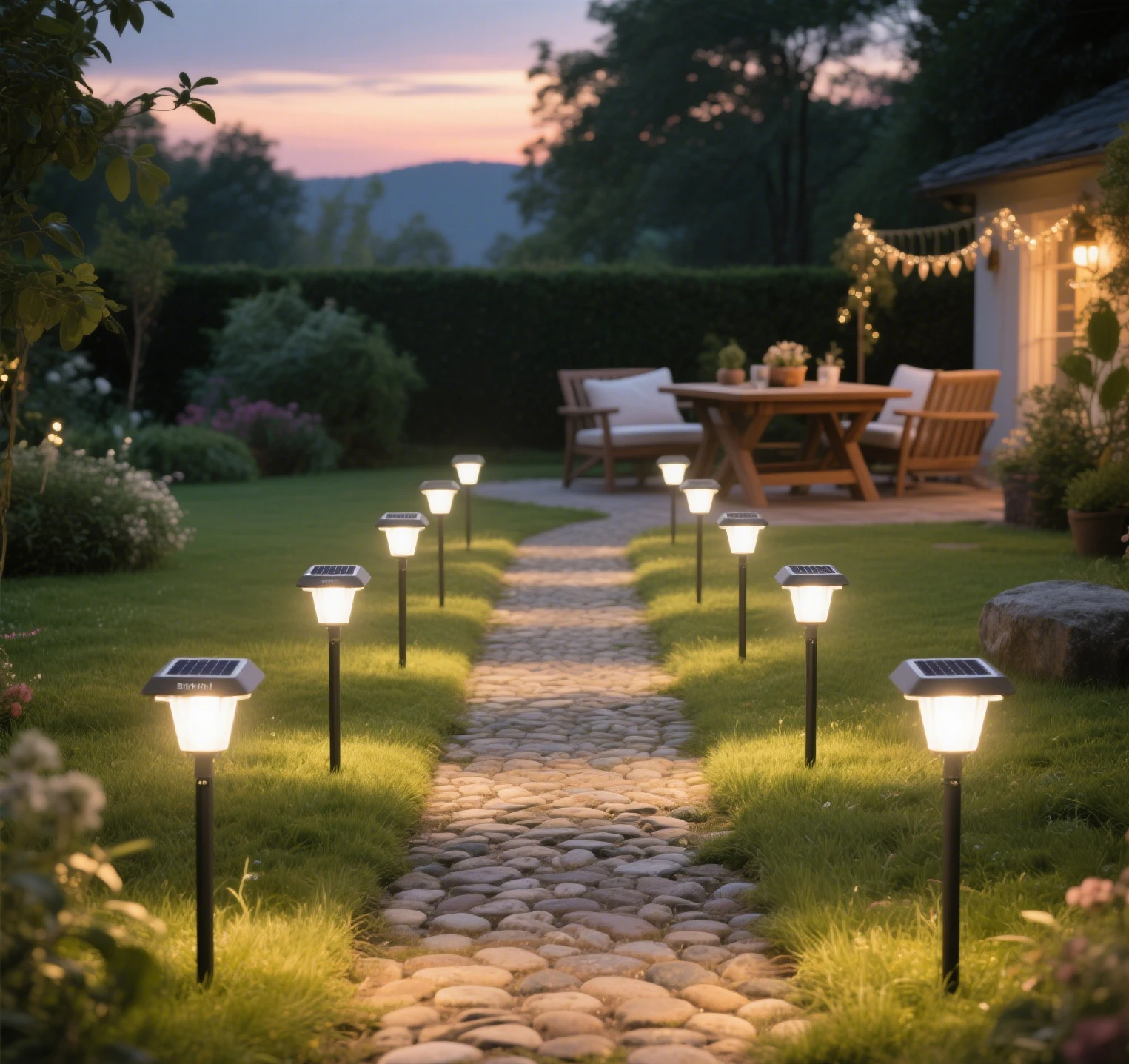
Compliance begins with smart design. For courtyard lights, use UL-certified fire-resistant wiring, like cross-linked polyethylene (XLPE) cables, to prevent fire risks. For pathway lights, integrate Energy Star-approved LEDs with ≥130lm/W efficacy for brightness and efficiency. Modular designs—such as interchangeable LED modules—allow upgrades without redesigning entire products, saving costs while meeting evolving standards.
Meeting Consumer Expectations
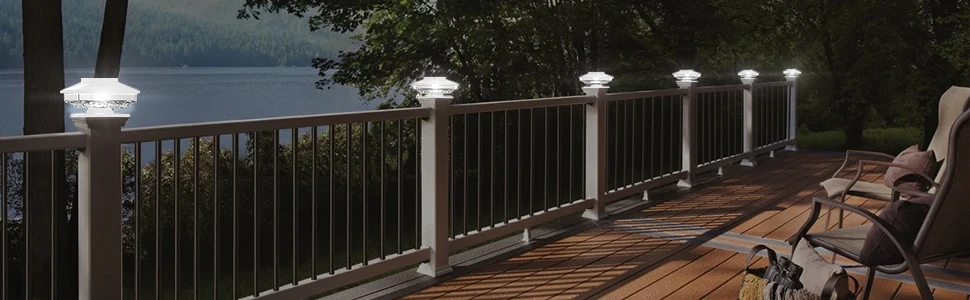
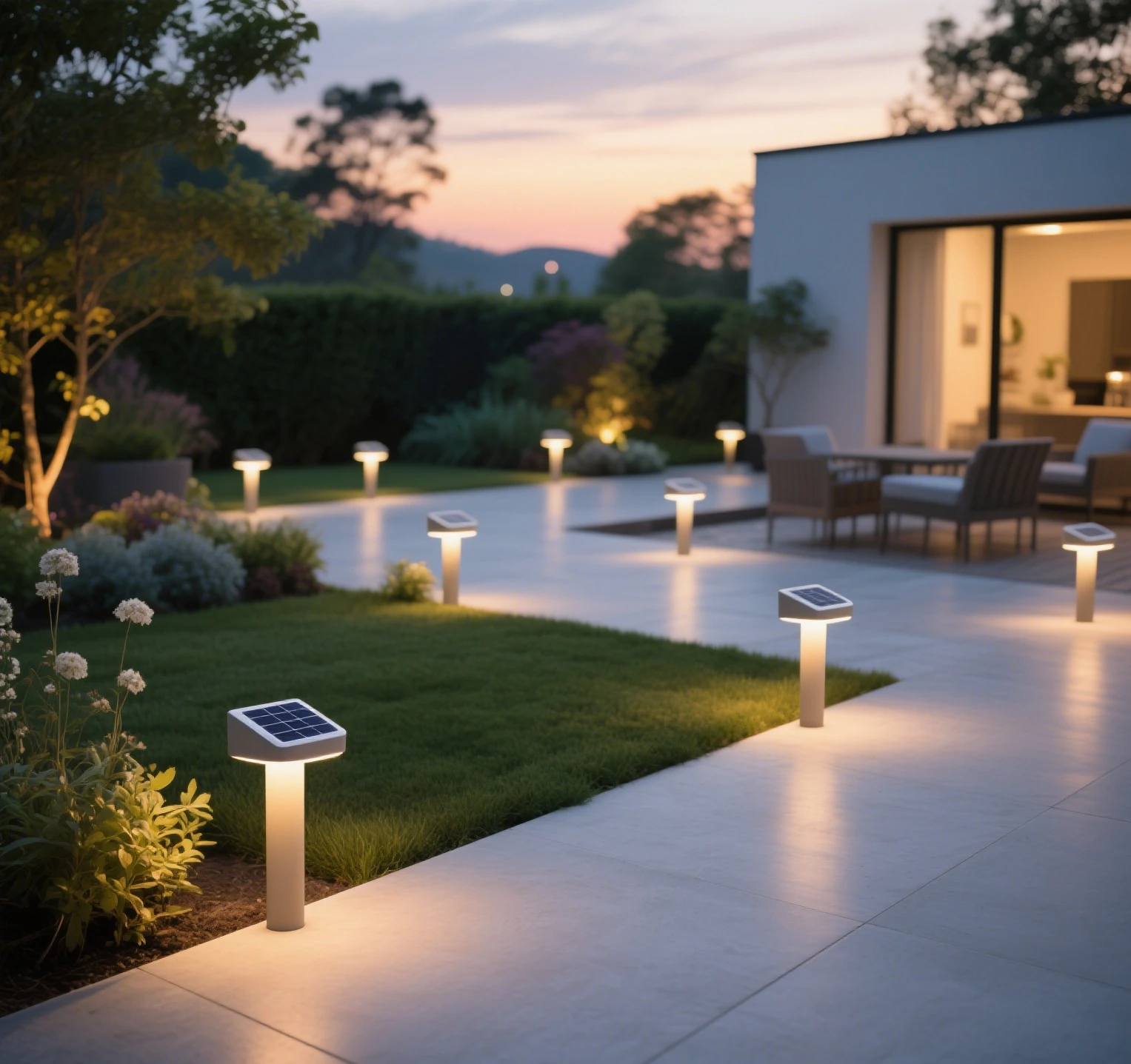
Beyond compliance, products must attract buyers. A pathway light with a sleek, weather-resistant casing enhances aesthetic appeal while meeting IP65 waterproofing standards. Adding features like motion sensors aligns with North American preferences for smart, energy-saving solutions, boosting market competitiveness.
Enhancing Testing Processes
Building Robust Safety Features
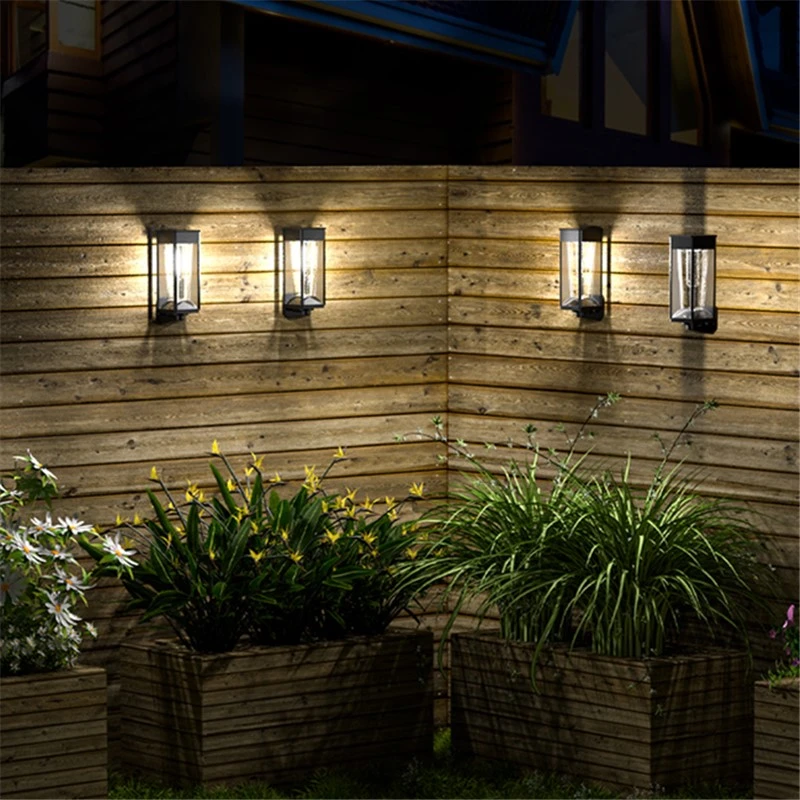
Testing reveals weaknesses, but design can preempt failures. For wall-mounted lights, incorporate double-insulated wiring or protective casings to meet UL 153 standards. String lights need reinforced insulation to pass high-voltage tests for North America’s 120V grid. Key tests include:
- Electrical safety: Check insulation and grounding integrity.
- Durability: Ensure IP65 waterproofing and UV resistance.
- Performance: Verify lumen output and color rendering index (CRI).
Iterative Testing for Success
Pre-compliance testing in-house can catch issues like weak grounding early, reducing formal test failures. For example, simulating voltage spikes or water exposure ensures products withstand real-world conditions, saving time and costs.
Streamlining Certification
Collaborating with Labs
Partnering with third-party labs like Intertek or TÜV SÜD is crucial. These experts guide preparation of technical construction files (TCFs) and pre-tests to address issues like “poor photovoltaic grounding” or “missing battery protection.” To optimize:
- Choose experienced labs: Select those familiar with solar lighting standards.
- Prepare early: Submit detailed schematics and test plans upfront.
- Pre-test: Fix issues before formal submission to shorten timelines.
Cost and Time Efficiency
Certification costs $10,000–$50,000 and takes 3–6 months per product. Batching similar products or using pre-certified components (e.g., UL-approved LED drivers) can cut costs by up to 30%. Modular designs also allow shared certifications across product lines.
Case Studies and Category Insights
Success in Action
A Chinese manufacturer broke into Home Depot with a UL-certified solar fence light. By using fire-resistant wiring and a 140lm/W LED, they passed certification in four months. Early lab collaboration ensured robust grounding and battery safety, leading to $2 million in annual revenue within six months.
Tailoring to Product Categories
Different solar lights face unique requirements:
- Spotlights: Need anti-glare testing, often using diffuser lenses.
- Wall lights: Require shock resistance and IP65 waterproofing for UL 153.
- String lights: Demand durable connectors for voltage stability.
Balancing compliance with cost is critical. Standardized components, like certified drivers, reduce testing expenses while maintaining competitive pricing.
Conclusion: Your Path to Market Success
Overcoming UL and Energy Star barriers requires strategic design, rigorous testing, and efficient certification. By addressing circuit safety, light efficacy, and durability early, manufacturers can avoid rejections and accelerate market entry. Collaborating with trusted labs, using modular designs, and aligning with consumer preferences ensure compliance and profitability. As demand for sustainable lighting grows, start by auditing designs against standards, partnering with labs, and balancing innovation with cost. With these steps, your solar lights can thrive in North America’s competitive market.
Leave a Reply