


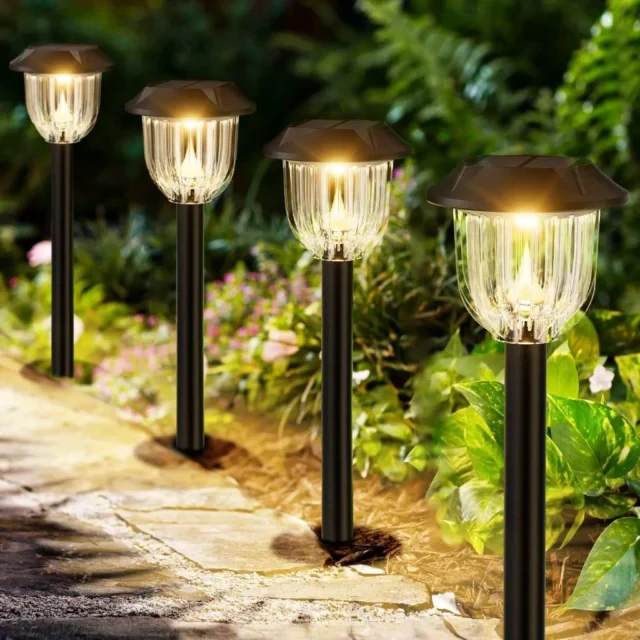
Solar lights are a fantastic way to light up your outdoor space without hiking up the electric bill, but not all models are built to handle every environment. From rainy southern coasts to snowy northern plains or scorching northwestern deserts, different climates and terrains demand specific features to keep solar lights shining bright. This article breaks down how to choose solar lights that match your region’s weather and landscape, plus practical tips to make them last longer.
Climate-Specific Solar Light Choices
Your local weather plays a huge role in how well solar lights perform. Rain, snow, or intense heat can stress even the best models if they’re not designed for the conditions. Here’s how to pick the right solar lights for common climates:
- Rainy Southern Regions:
- Choose high IP ratings: Go for IP67 or higher for solar garden or wall lights to prevent water seepage during heavy downpours.
- Check seals: Ensure battery compartments are tightly sealed to avoid corrosion from constant humidity.
- Example: Brands like Ring offer IP67-rated solar wall lights that stay reliable through monsoons.
- Snowy Northern Regions:
- Opt for elevated designs: Solar pathway lights with high stakes (6-8 inches) prevent snow burial and keep panels exposed.
- Frost-resistant panels: Look for monocrystalline panels with anti-freeze coatings to maintain efficiency in subzero temps.
- Tip: Clear snow off panels regularly to maximize sunlight absorption.
- Hot Northwestern Regions:
- Prioritize heat-resistant materials: Solar string or decorative lights with UV-resistant wiring and casings withstand intense sun exposure.
- Battery considerations: Choose lithium-ion batteries over NiMH, as they handle high temperatures better.
- Example: Bitpott’s solar string lights use durable, heat-tolerant materials ideal for desert climates.
For instance, a homeowner in a rainy coastal city might pick an IP68 solar floodlight to light up their driveway, while someone in a snowy mountain town could go for tall pathway lights to avoid snowdrifts. Matching the light to your climate prevents early failures.
Terrain-Specific Solar Light Solutions
The layout of your land—whether it’s a hilly backyard, flat plain, or coastal property—also dictates which solar lights work best. Different terrains call for different lighting strategies to ensure safety and aesthetics:
- Mountainous Areas:
- Use solar spotlights: Bright, focused beams (100-200 lumens) illuminate steep slopes or steps, reducing trip hazards.
- Adjustable angles: Spotlights with tiltable heads let you direct light exactly where it’s needed, like on rocky paths.
- Example: A 100-lumen solar spotlight from Innoo Tech can highlight a winding trail, keeping hikers safe.
- Flat Plains:
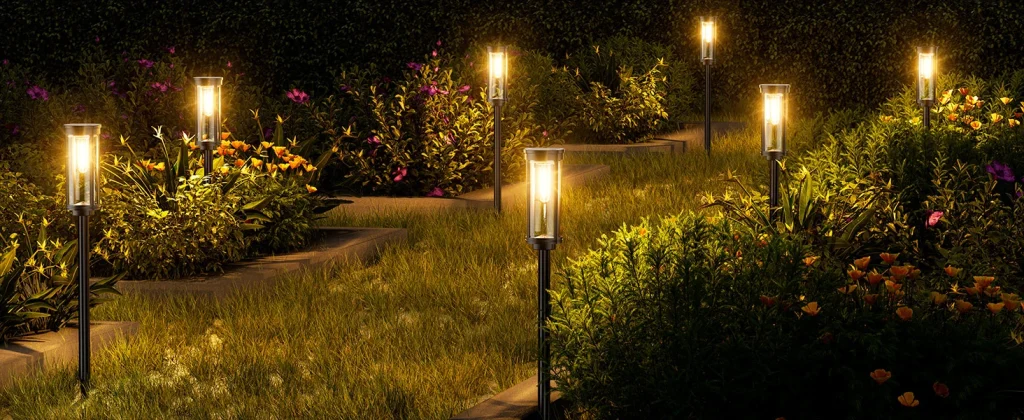
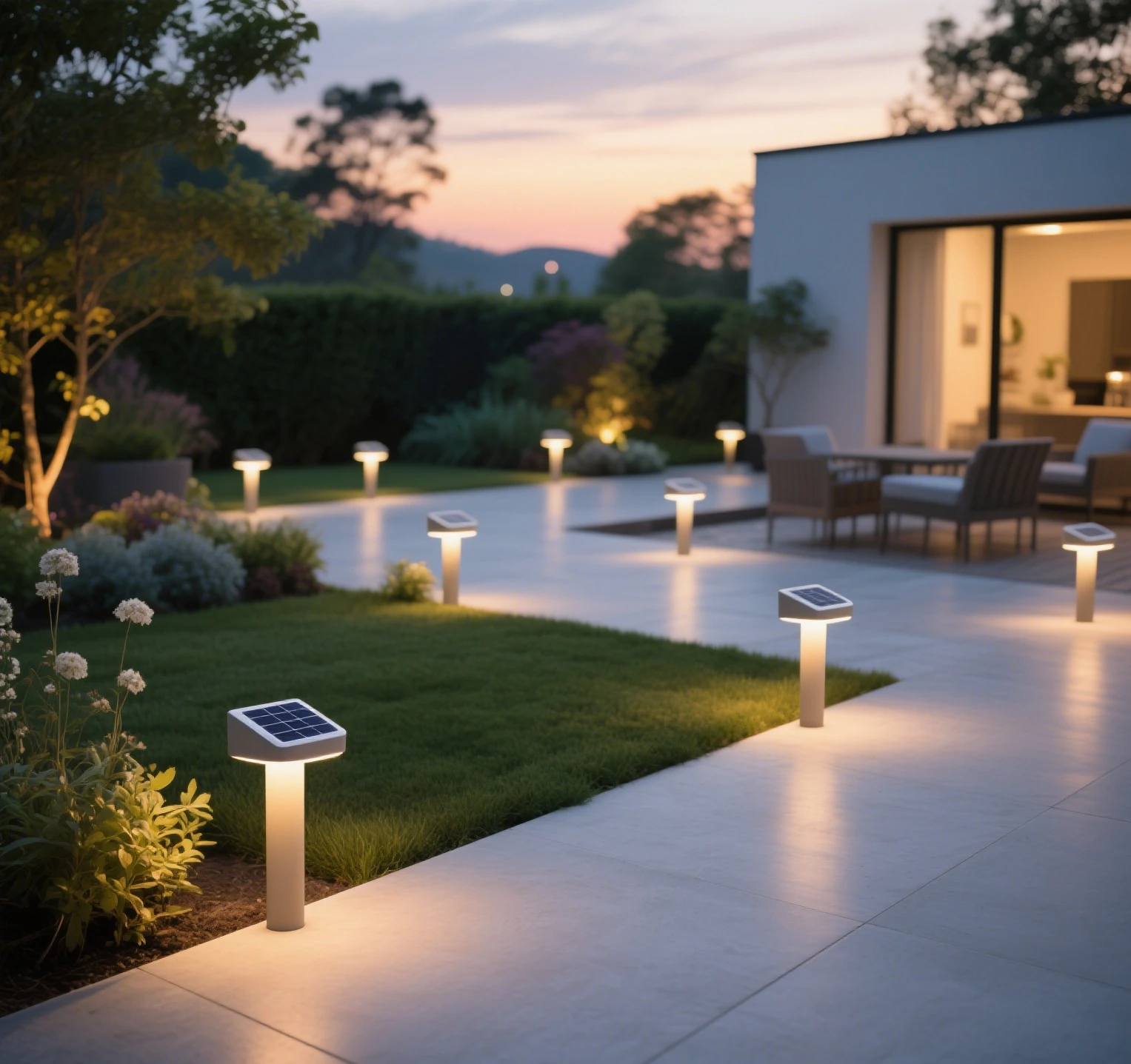
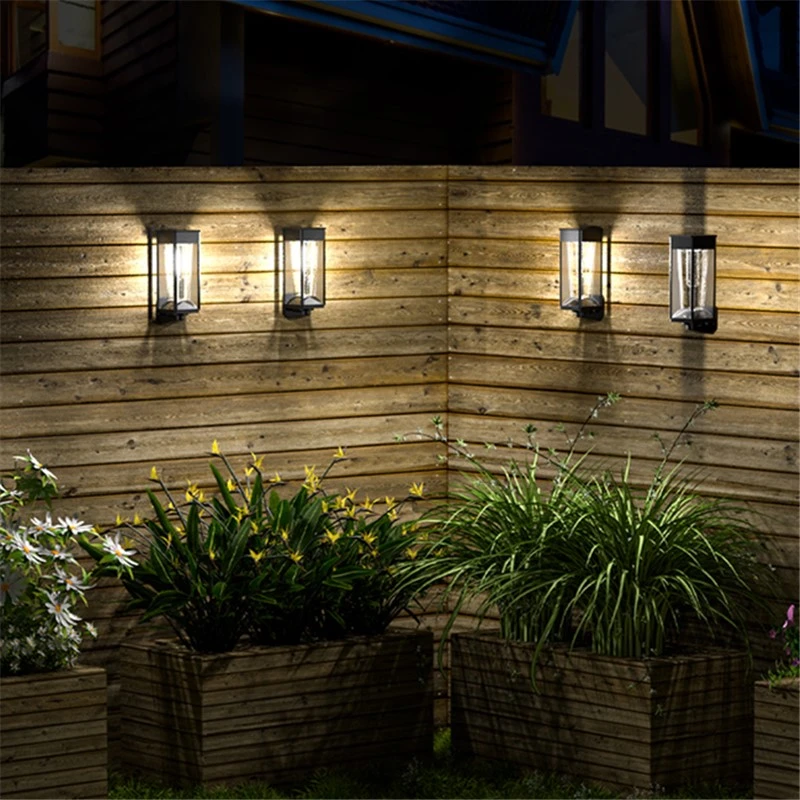
- Combine fence and pathway lights: Solar fence lights (10-20 lumens) define property lines, while pathway lights create a cohesive glow for walkways.
- Wide coverage: Low-profile lights in sets of 6-12 cover large, open areas without cluttering the space.
- Tip: Space lights evenly (4-6 feet apart) for consistent illumination across flat yards.
- Coastal Regions:
- Choose corrosion-resistant materials: Aluminum or stainless steel casings resist salt air and sea spray, extending light lifespan.
- IP65 or higher: Ensures protection against both water and salt-induced wear.
- Example: Philips solar post lights with aluminum shells are built to withstand coastal humidity and wind.
Picture a coastal patio with sleek, corrosion-proof solar lanterns or a mountain cabin with spotlights guiding the way up a rocky path. The right setup makes your space both functional and inviting, no matter the terrain.
Practical Tips for Long-Lasting Solar Lights
Beyond choosing the right model, a few simple habits can boost your solar lights’ durability across any region:
- Optimize placement:
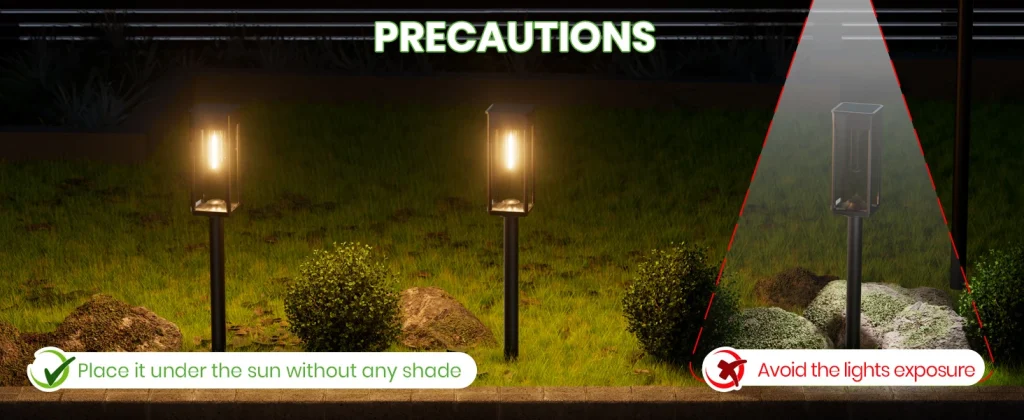
- Position panels to catch maximum sunlight, avoiding shade from trees or buildings.
- Angle panels slightly (15-30 degrees) to shed rain, snow, or debris.
- Regular maintenance:
- Clean panels monthly with a damp cloth to remove dust, salt, or snow buildup.
- Check for loose seals or cracks, especially after extreme weather.
- Choose quality brands:
- Stick to trusted names like Bitpott, Philips, or Ring for better materials and warranties (1-2 years).
- Read reviews from users in similar climates to gauge real-world performance.
- Consider backups:
- In cloudy or snowy regions, pick hybrid solar lights with USB charging for rainy days.
- Keep spare batteries on hand for quick swaps if performance dips.
For example, a coastal homeowner might clean their solar fence lights weekly to remove salt residue, while a desert camper could use a hybrid light to charge via USB during monsoon season. These steps keep your lights reliable year-round.
Why Regional Fit Matters
Picking solar lights tailored to your climate and terrain isn’t just about performance—it’s about avoiding the hassle of frequent replacements. A generic light might work for a season but fail when faced with heavy rain, deep snow, or blazing heat. By choosing models with the right IP rating, materials, and design for your area, you save money and effort in the long run. Here’s a quick recap:
- Rainy areas: IP67+ garden or wall lights with sealed compartments.
- Snowy regions: Elevated pathway lights with frost-resistant panels.
- Hot climates: UV-resistant string lights with lithium-ion batteries.
- Mountainous terrain: Adjustable spotlights for safety.
- Plains: Fence and pathway combos for even coverage.
- Coastal zones: Corrosion-resistant aluminum or stainless steel lights.
Investing in the right solar light setup means fewer headaches and a better-lit outdoor space, no matter where you live.
Conclusion: Light Smart, Live Easy
Solar lights are a game-changer for outdoor lighting, but their performance hinges on matching them to your region’s climate and terrain. Whether you’re dodging heavy rain in the south, snow in the north, or blistering heat in the northwest, there’s a solar light built for the job. From IP67 wall lights for coastal storms to tall pathway lights for snowy plains, the right choice—paired with smart placement and upkeep—ensures reliability. Pick wisely, and your solar lights will keep your space glowing without the constant need for replacements, wherever you call home.
Leave a Reply