


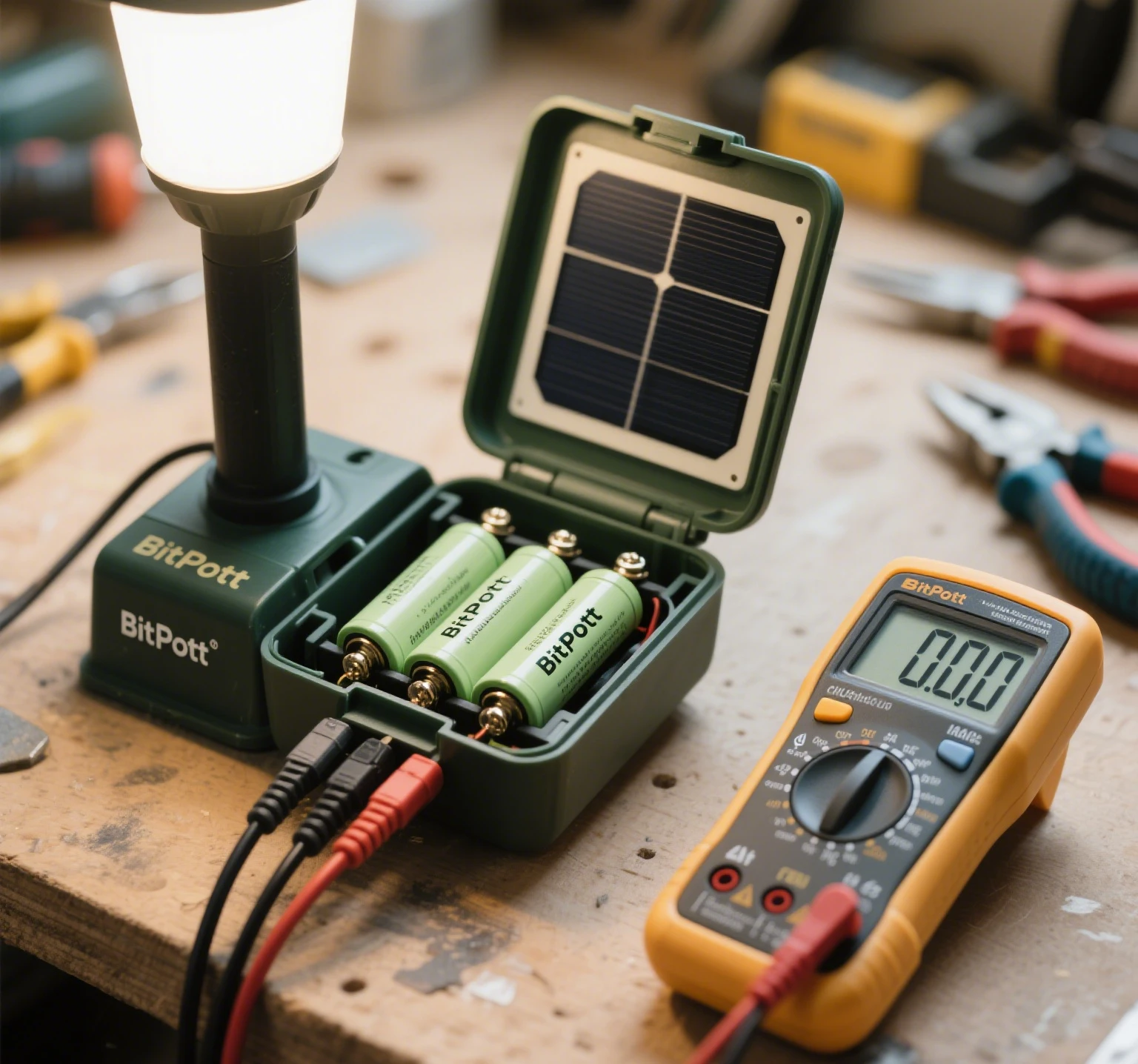
Replacement batteries for solar lights are essential for maintaining the performance of outdoor lighting systems, ensuring gardens, pathways, and patios stay brilliantly lit. Choosing the right battery, installing it correctly, and maintaining the system can extend the life of solar lights while maximizing energy efficiency. This guide covers battery matching, model-specific challenges, cold-weather options, safe installation, eco-friendly disposal, and post-replacement maintenance to keep your lights glowing reliably.
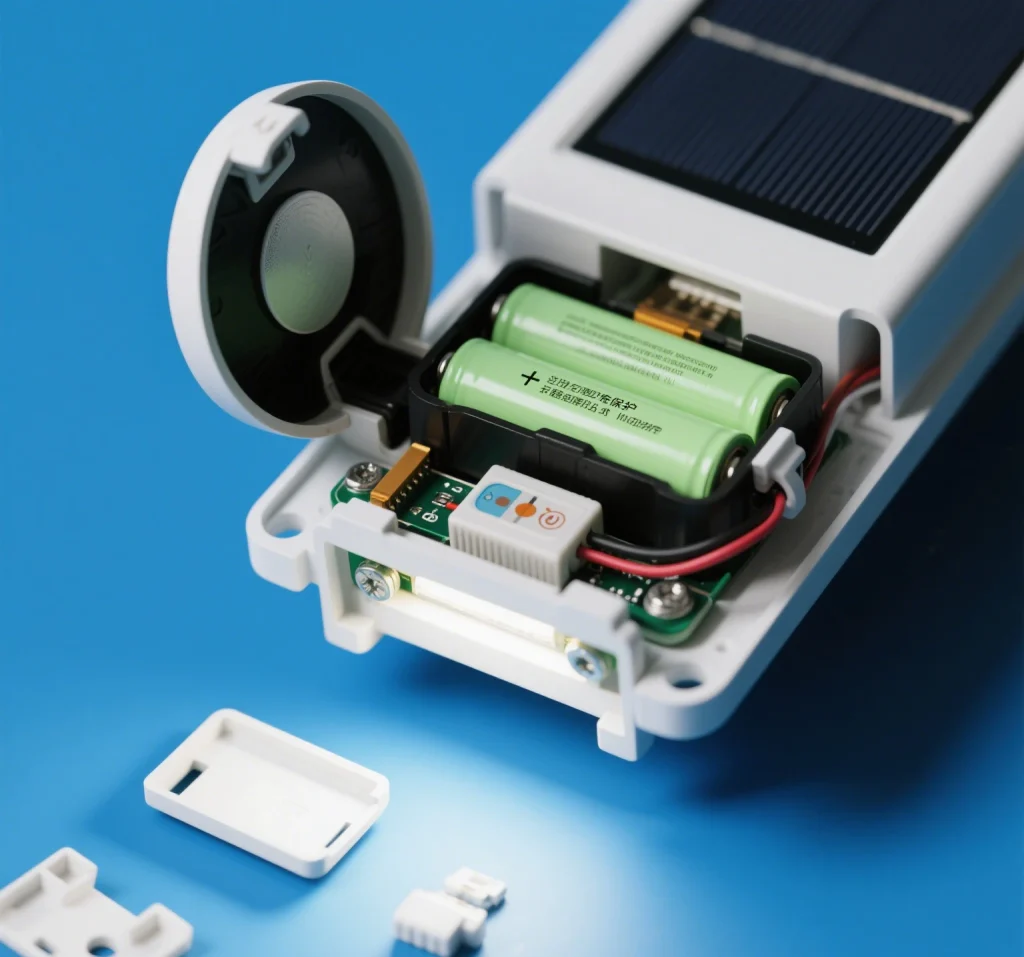
Battery Matching: Capacity, Voltage, and Solar Panel Power Formula
Selecting the right replacement batteries for solar lights requires aligning capacity (mAh) and voltage (V) with the solar panel’s power output to ensure optimal performance.
- Capacity Calculation
Battery capacity, measured in milliamp-hours (mAh), determines runtime. A typical solar light needs 800-2000mAh for 6-8 hours of illumination. Check the solar panel’s wattage (e.g., 1W) and multiply by daily sunlight hours (e.g., 5 hours) to estimate energy input. For a 1W panel in a region with 5 hours of sun, a 1000mAh battery suffices. A California homeowner replaced a 600mAh battery with a 1200mAh one, doubling runtime on a pathway light. - Voltage Compatibility
Match the battery’s voltage (e.g., 1.2V for NiMH or 3.7V for Li-ion) to the light’s specifications. Most solar lights use 1.2V NiMH batteries. Verify the voltage on the original battery or manual to avoid mismatches. Using a 3.7V battery in a 1.2V system can damage the light. - Power Balance Formula
Use the formula: Battery Capacity (mAh) ≥ Panel Wattage (W) × Sunlight Hours (h) × 1000 / Battery Voltage (V). For a 1W panel, 5 sunlight hours, and 1.2V battery, you need at least 4166mAh, so a 4500mAh battery is ideal. This ensures replacement batteries for solar lights meet energy demands.
Proper matching prevents underperformance and extends the lifespan of your solar lighting system.
Model Challenges: Removing Batteries from Embedded or Clip-On Lights
Different solar light designs—embedded or clip-on—pose unique challenges when swapping replacement batteries for solar lights. Here’s how to tackle them.
- Embedded Battery Compartments
Embedded batteries, common in stake or wall-mounted lights, are often sealed behind screws or panels. Use a small screwdriver to access the compartment, noting the battery size (e.g., AA or AAA). In a Florida garden, a homeowner opened a sealed pathway light with a precision screwdriver, replacing the battery without damaging the housing. - Clip-On Battery Systems
Clip-on designs, found in string or lantern lights, use snap-in battery holders. Gently pry the holder with a plastic spudger to avoid breaking clips. A Texas resident replaced batteries in a clip-on lantern by sliding the holder out, preserving the delicate wiring. - Tips for Tricky Models
Check for hidden screws under rubber seals or stickers. If stuck, apply gentle heat with a hairdryer to loosen adhesive. Always disconnect the solar panel before removal to prevent electrical shorts. These techniques ensure safe access to replacement batteries for solar lights across various designs.
Mastering these methods simplifies battery replacement, even for complex light models.
Endurance Upgrades: Cold-Weather Battery Selection Guide
Winter conditions demand specialized replacement batteries for solar lights to maintain performance in low temperatures and reduced sunlight.
- Low-Temperature Batteries
NiMH batteries perform better than Li-ion in cold climates, retaining 70-80% capacity at 0°F. Look for “low-temperature” or “cold-rated” labels. A Minnesota gardener used 2000mAh NiMH batteries in pathway lights, ensuring consistent glow during snowy nights. - Scenario-Based Choices
For high-drain lights like floodlights, choose batteries with 2500mAh or higher. In dimmer string lights, 1000mAh suffices. In cloudy regions like Washington, opt for high-capacity batteries to compensate for limited charging. Match battery type to usage—frequent cycling needs durable NiMH cells. - Storage Considerations
Store spare batteries in a cool, dry place (40-60°F) to preserve capacity. Avoid freezing temperatures during storage, which can degrade performance. Regularly cycle batteries every 3-6 months to maintain health.
Choosing cold-resistant replacement batteries for solar lights ensures reliable illumination in harsh winter conditions.
Safe Installation: Detecting and Avoiding Polarity Errors
Correct installation of replacement batteries for solar lights prevents damage from polarity errors, ensuring safe and efficient operation.
- Polarity Detection
Check the battery compartment for + and – symbols. If unclear, use a multimeter to identify terminals—positive typically connects to the red wire. A New York homeowner avoided damage by testing polarity before inserting a new battery in a wall-mounted light. - Preventing Reverse Polarity
Insert batteries slowly, aligning with marked terminals. If resistance is felt, stop and recheck orientation. Some modern lights have polarity protection, but older models may short-circuit if reversed. Double-check before powering on. - Safety Precautions
Disconnect the solar panel during installation to avoid surges. Use insulated tools to handle batteries, especially in humid conditions. If a battery doesn’t fit snugly, verify the size (e.g., AA vs. AAA) to prevent loose connections.
These steps ensure replacement batteries for solar lights are installed safely, protecting both the battery and the light.
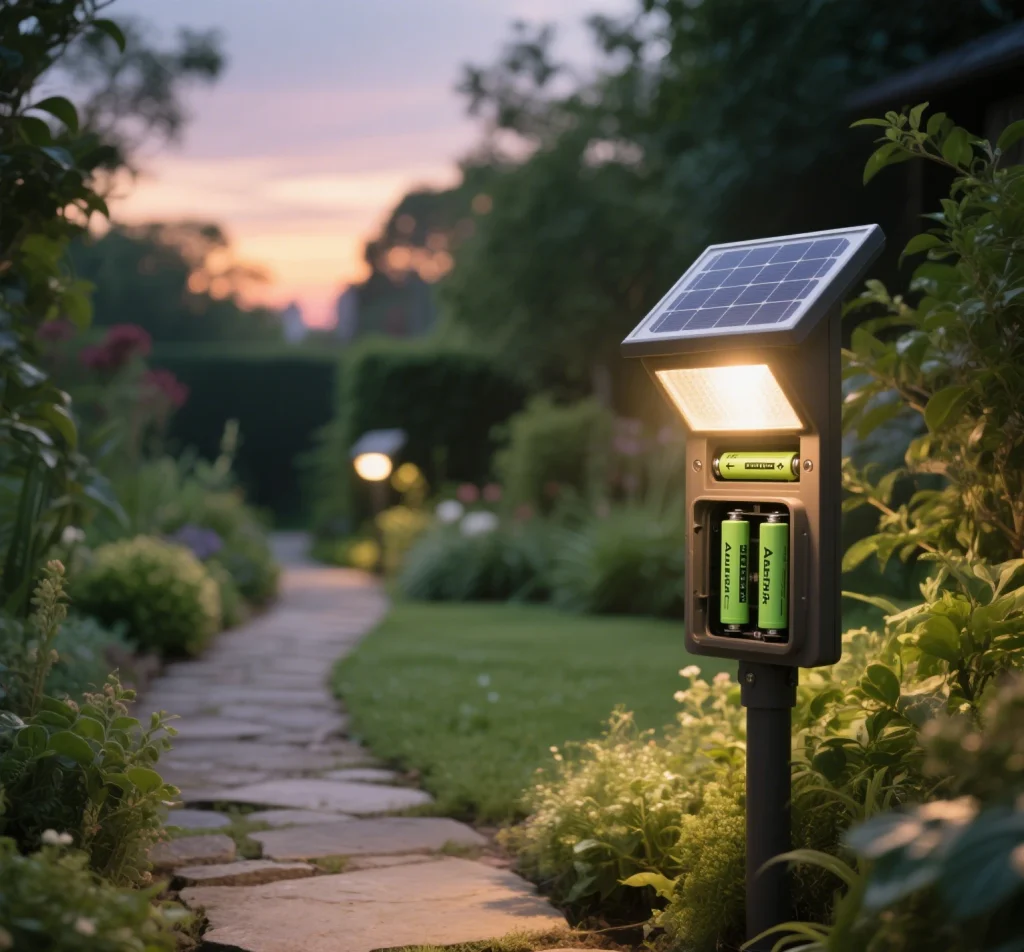
Old Battery Disposal: Eco-Friendly Recycling and Safe Discharge
Proper disposal of old replacement batteries for solar lights is critical for environmental safety and compliance with regulations.
- Safe Discharge
Fully discharge batteries before disposal to prevent fire hazards. Connect the battery to a low-wattage resistor (e.g., 10 ohms) until voltage drops to 0V. A Georgia resident discharged old NiMH batteries using a DIY resistor setup, ensuring safe recycling. - Recycling Options
Take batteries to designated recycling centers, often found at hardware stores or municipal facilities. Many retailers, like those in California, offer drop-off bins for NiMH and Li-ion batteries. Avoid throwing batteries in regular trash, as they contain heavy metals. - Environmental Impact
Recycling prevents toxic leaks into soil or water. Check local regulations for battery disposal guidelines, as some areas require specific handling. Label batteries as “used” to avoid confusion during recycling.
Responsible disposal of replacement batteries for solar lights protects the environment and ensures compliance with waste regulations.
Maintenance Synergy: Solar Panel Cleaning After Battery Replacement
Cleaning solar panels after installing replacement batteries for solar lights enhances charging efficiency, maximizing light performance.
- Cleaning Techniques
Wipe panels with a damp microfiber cloth and mild soap to remove dust, pollen, or snow. Avoid abrasive scrubbers that scratch surfaces. In Arizona, monthly cleaning restored a panel’s efficiency, boosting light output by 15%. - Frequency and Timing
Clean panels every 1-2 months, or after storms, to maintain clarity. In humid areas like Louisiana, check for moss or algae buildup. Cleaning after battery replacement ensures the new battery receives optimal charge. - Complementary Maintenance
Inspect panel wiring for corrosion and secure loose connections. Trim overhanging branches to prevent shading. Pairing panel care with battery replacement creates a synergistic effect, prolonging the life of the entire system.
Regular panel maintenance ensures replacement batteries for solar lights perform at their peak, delivering consistent illumination.
Conclusion
Replacement batteries for solar lights are key to sustaining bright, eco-friendly outdoor lighting. By matching capacity and voltage, navigating model-specific challenges, selecting cold-resistant options, installing safely, disposing responsibly, and maintaining solar panels, you can keep your lights shining brightly. These steps empower you to enhance your garden or patio’s glow while embracing sustainable practices for long-term performance.


Leave a Reply