


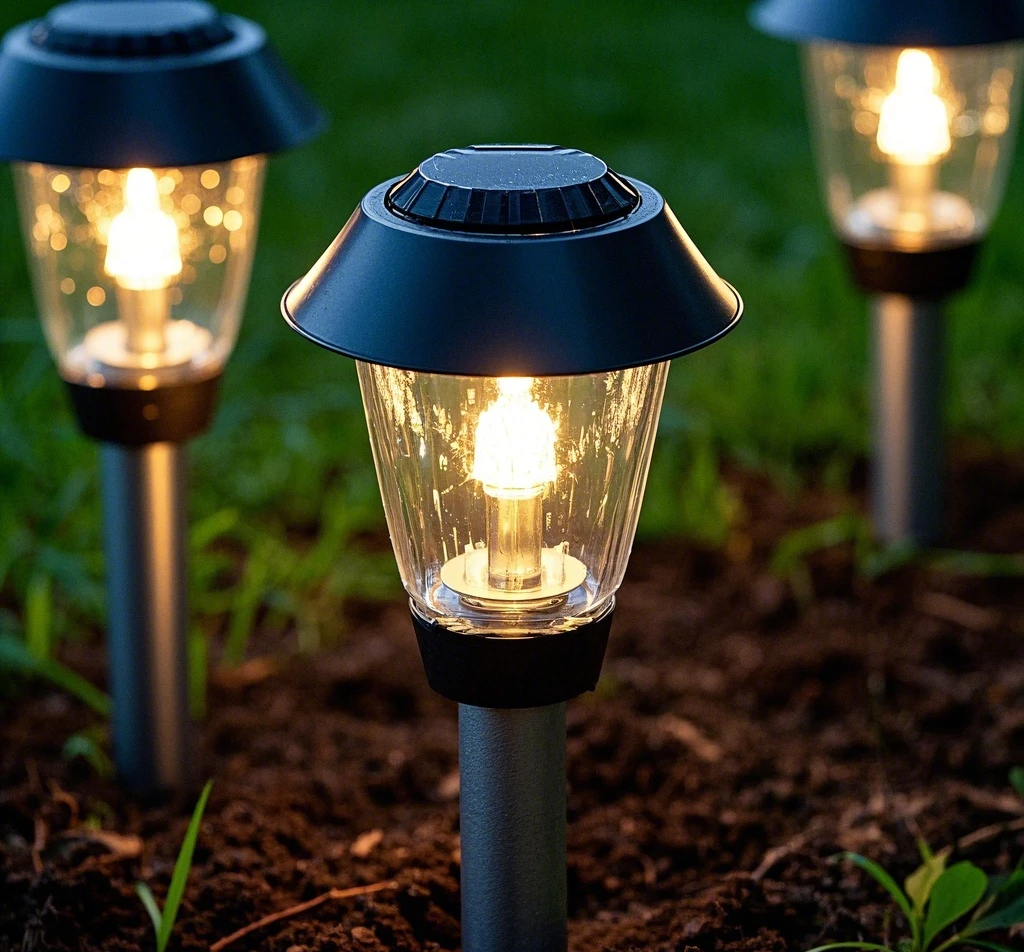
Solar dusk to dawn lights have transformed outdoor lighting by offering energy-efficient, automated solutions for homes, businesses, and public spaces. These lights harness solar energy during the day and illuminate areas from dusk until dawn, providing convenience, safety, and sustainability. This comprehensive guide explores how these lights work, where to install them, how to optimize their performance, and how to protect them in harsh conditions.
Core Working Principle of Dusk to Dawn Sensing
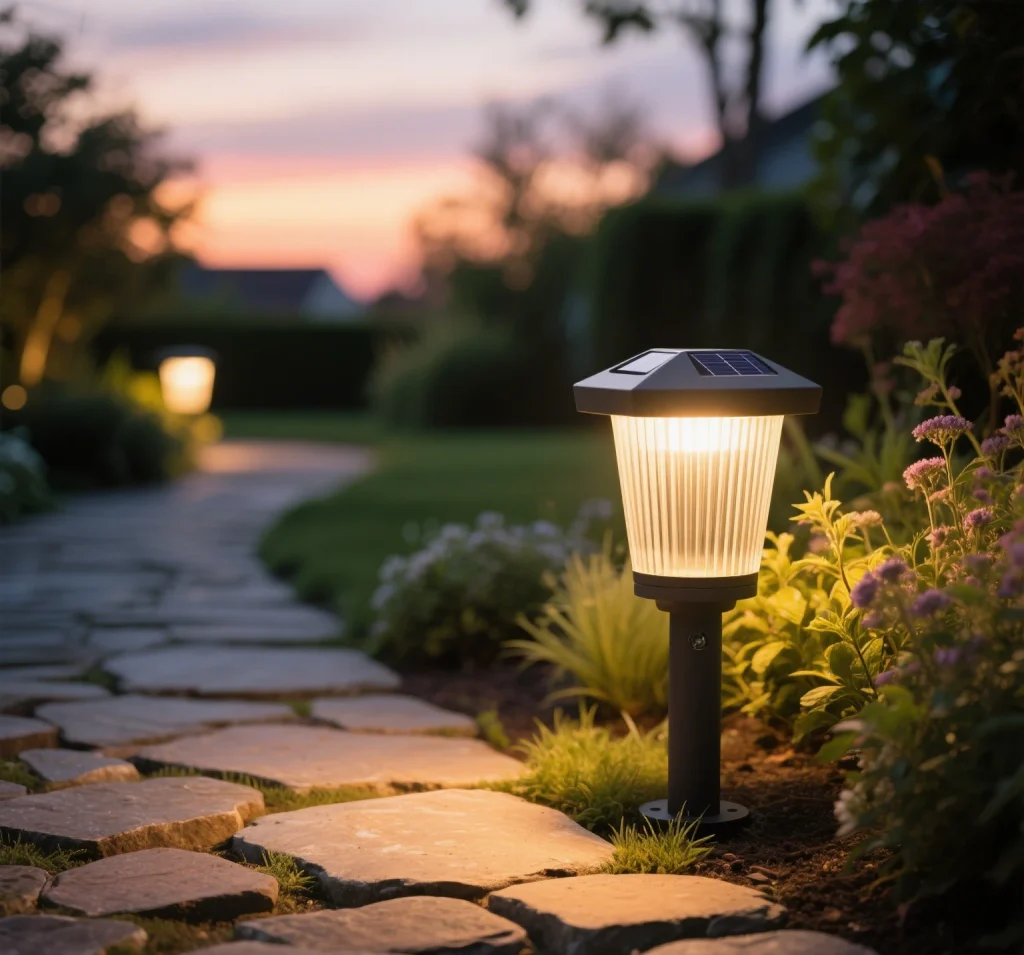
Solar dusk to dawn lights operate using a combination of photovoltaic panels, batteries, and light sensors. The core mechanism relies on a photocell or light-dependent resistor (LDR) that detects ambient light levels. When sunlight fades at dusk, the sensor triggers the light to turn on, and when daylight returns at dawn, it signals the light to switch off. This automation eliminates the need for manual operation, ensuring consistent illumination.
The photovoltaic panel captures sunlight and converts it into electricity, which is stored in a rechargeable battery, typically lithium-ion or lead-acid. The battery powers the LED lights during the night. Advanced models incorporate microcontrollers to manage energy flow, ensuring efficient use of stored power. For example, a solar dusk to dawn light in a Seattle backyard might charge fully during a partly cloudy day and provide reliable illumination throughout the night, thanks to precise sensor calibration.
The efficiency of this system depends on the quality of the components. High-grade solar panels maximize energy capture, while durable batteries ensure long-lasting performance. Some models also include motion sensors, which complement the dusk-to-dawn functionality by increasing brightness when activity is detected, further conserving energy.
Choosing the Right Installation Location
Selecting the optimal location for a solar dusk to dawn light is critical for performance. The solar panel must receive direct sunlight for at least six to eight hours daily to ensure adequate charging. Avoid placing panels under trees, overhangs, or shaded structures. For instance, installing a light on a south-facing wall in a Phoenix suburb ensures maximum sunlight exposure, as the region experiences intense solar radiation year-round.
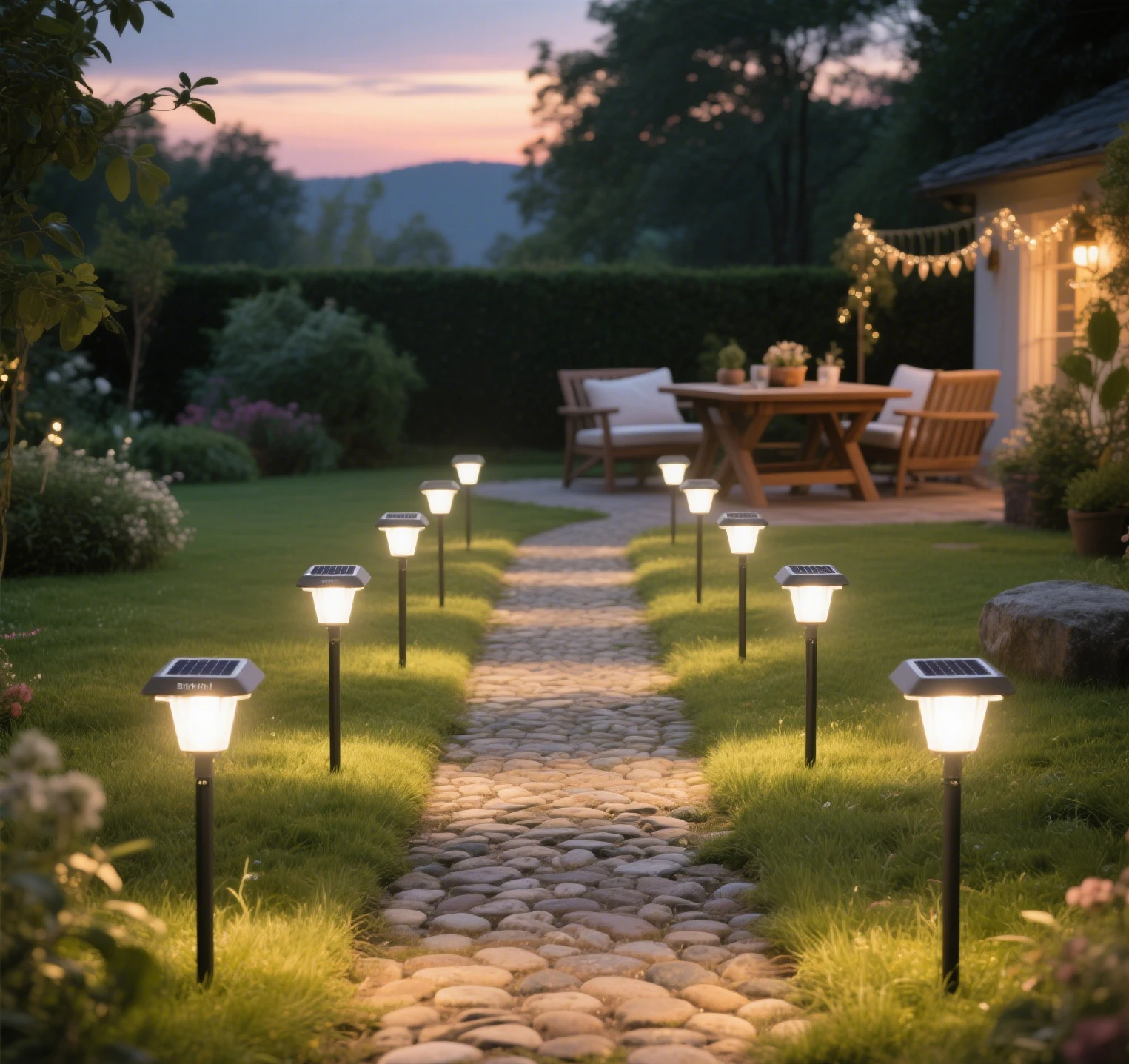
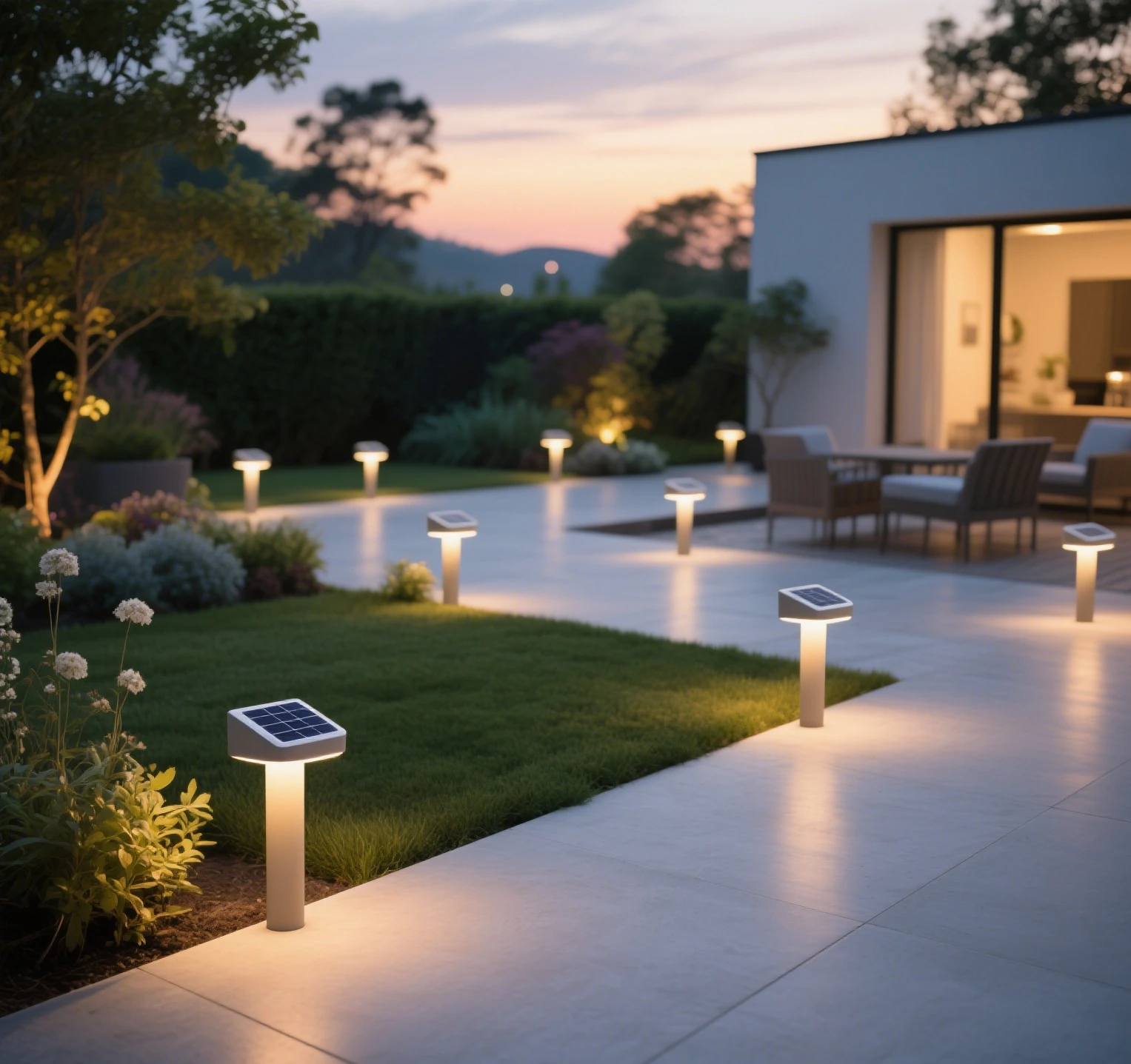
Consider the area you want to illuminate. For pathways, place lights at regular intervals—typically 6 to 10 feet apart—to ensure even coverage. For driveways, position the light high, such as on a pole or attached to a garage, to cast a wide beam. In rural settings, like a farm in Iowa, mounting lights on barn roofs or fence posts can illuminate large areas without obstructing daily activities.
Account for potential obstructions like seasonal foliage or nearby buildings. In urban environments, such as Chicago townhomes, reflective surfaces or neighboring structures may reduce light exposure, so test the location over a few days to confirm consistent charging. Ground-mounted lights work well for gardens, but ensure they’re elevated to avoid water pooling during heavy rain.
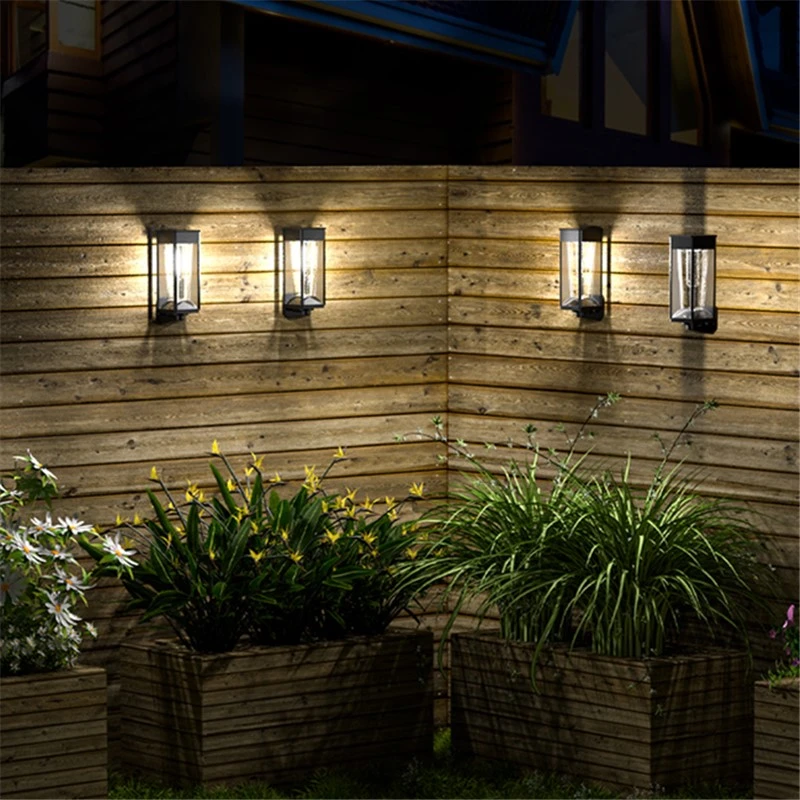
Safety is another factor. Install lights in areas prone to foot traffic, like front porches or backyards, to enhance security. For example, a solar dusk to dawn light placed near a Houston home’s entryway can deter intruders while guiding residents safely at night. Always secure fixtures firmly to withstand wind or accidental bumps.
Balancing Battery Life and Brightness
Achieving the right balance between battery life and brightness is essential for optimal performance. Solar dusk to dawn lights typically offer adjustable brightness settings, measured in lumens, to suit different needs. A light producing 200–400 lumens is sufficient for pathways, while 800–1000 lumens is better for driveways or parking lots.
To extend battery life, choose a light with energy-saving modes. Many models dim automatically when no motion is detected, reserving power for longer nights. For instance, in a Minnesota winter, where nights can last up to 15 hours, a light with a high-capacity battery and dimming feature ensures illumination until dawn.
Weather impacts performance. In cloudy regions like Portland, select a light with a larger solar panel or a battery with higher amp-hour (Ah) capacity to store extra energy. Some advanced models allow users to adjust the duration of full brightness. For example, setting a light to operate at 50% brightness after midnight can conserve energy while maintaining visibility.
Regular maintenance also helps. Clean solar panels monthly to remove dust or debris, which can reduce charging efficiency by up to 20%. In coastal areas like Miami, salt buildup from ocean air may require more frequent cleaning. Check battery health annually, as capacity can degrade over time, especially in extreme temperatures.
Practical Tips for Adjusting Sensor Sensitivity
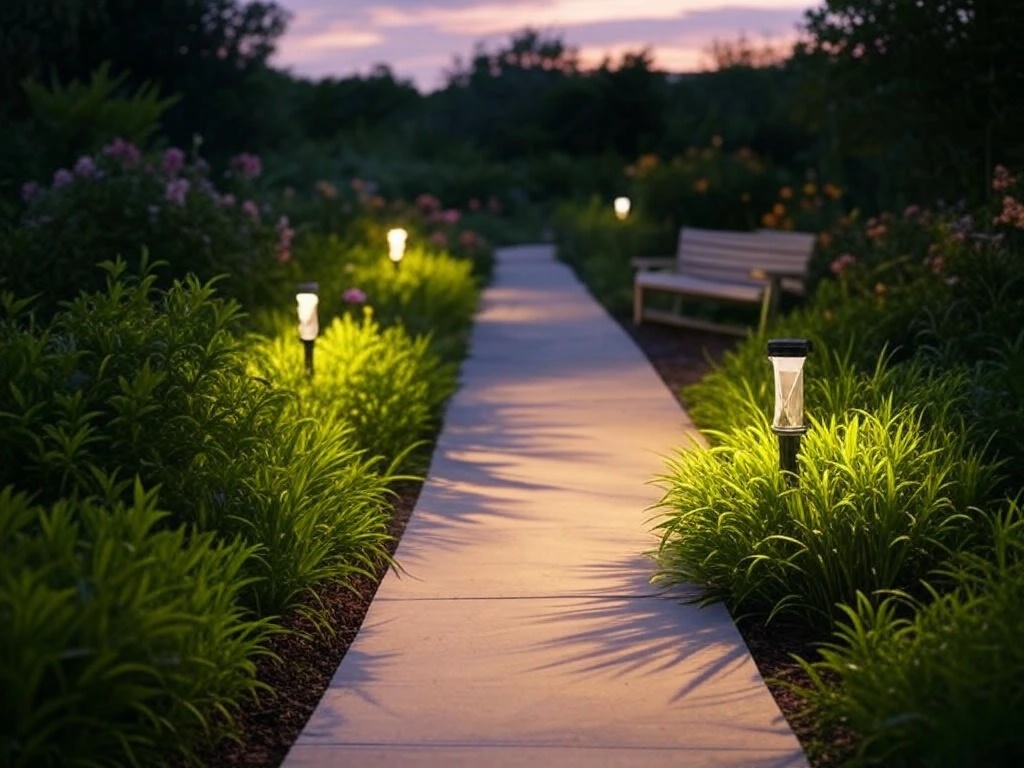
The sensitivity of the dusk-to-dawn sensor determines how effectively the light responds to changing light conditions. Most solar dusk to dawn lights allow users to adjust the sensor’s threshold to avoid false triggers, such as turning on during brief shadows or staying off in low-light conditions.
To fine-tune sensitivity, start by observing the light’s behavior over a few nights. If it activates too early in the evening, increase the light threshold to require darker conditions. Conversely, if it fails to turn on at dusk, lower the threshold. For example, in a Denver suburb with frequent evening cloud cover, adjusting the sensor to a lower threshold ensures timely activation.
Motion sensors, often paired with dusk-to-dawn functionality, also require calibration. Set the motion detection range to cover the desired area—typically 10 to 30 feet for residential use. In a busy Atlanta cul-de-sac, a shorter range prevents the light from triggering due to passing cars. Test the sensor by walking through the detection zone at different distances and angles to confirm coverage.
Environmental factors like reflective surfaces or nearby heat sources can interfere with sensors. In Las Vegas, where bright streetlights are common, position the sensor away from artificial light to prevent it from misreading ambient conditions. Some models include a manual override, allowing users to disable automatic sensing for specific situations, such as outdoor events.
Protecting Solar Lights in Extreme Weather
Solar dusk to dawn lights are designed for outdoor use, but extreme weather can challenge their durability. Proper care and strategic placement can extend their lifespan, even in harsh conditions.
In regions with heavy rain, like Seattle, choose lights with an IP65 or higher waterproof rating to prevent water ingress. Ensure that mounting hardware is rust-resistant, such as stainless steel or galvanized metal. Position the light to avoid water pooling on the solar panel, which can reduce charging efficiency.
For snowy climates, like those in Minneapolis, select lights with angled panels to prevent snow accumulation. If snow does build up, gently clear it with a soft brush to avoid scratching the panel. Batteries are sensitive to cold, so opt for models with thermal insulation or place the battery unit in a sheltered location, such as under an eave.
High temperatures, common in places like Phoenix, can degrade batteries and electronics. Choose lights with heat-resistant components and avoid placing them in areas with reflected heat, such as near metal roofs. Some advanced models include temperature compensation features to adjust charging rates in extreme heat.
Windy conditions, like those in coastal Miami, require secure mounting. Use heavy-duty brackets or ground stakes to prevent lights from toppling. For pole-mounted lights, ensure the pole is anchored deeply—typically 18 to 24 inches into the ground—especially in loose soil.
In hurricane-prone areas, such as parts of Florida, consider detachable lights that can be stored indoors during severe storms. Regularly inspect seals and gaskets for wear, as cracks can allow moisture to enter. After extreme weather, check for debris or damage and test the light to ensure it functions properly.
Conclusion
Solar dusk to dawn lights offer a reliable, eco-friendly solution for outdoor lighting, blending advanced technology with practical design. By understanding their working principles, choosing optimal installation locations, balancing brightness and battery life, fine-tuning sensor sensitivity, and protecting them from extreme weather, users can maximize their performance and longevity. Whether illuminating a rural driveway in Iowa or a bustling urban backyard in Chicago, these lights provide safety, convenience, and sustainability for any setting.
Leave a Reply