


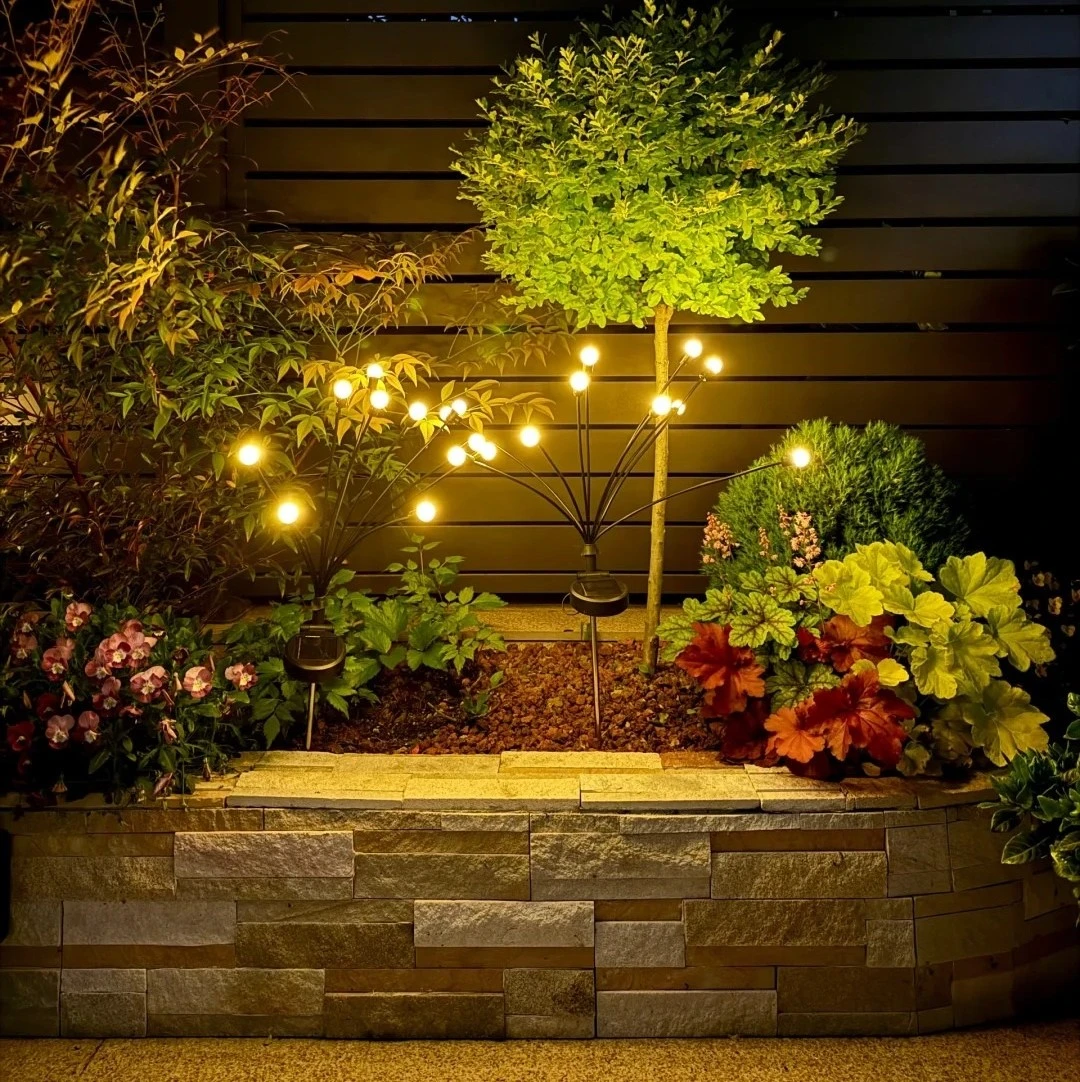
Solar firefly lights are transforming outdoor spaces across the United States, offering a whimsical, energy-efficient way to enhance gardens, patios, and pathways. These charming lights mimic the gentle glow of fireflies, creating a magical ambiance that elevates any evening. Whether you’re hosting a backyard barbecue in Texas or enjoying a quiet evening in a Vermont garden, solar firefly lights bring a touch of nature-inspired beauty to your home. This comprehensive guide explores their unique value, practical usage tips, creative design ideas, and answers to common questions, helping you make the most of these eco-friendly illuminations.
The Unique Value of Solar Firefly Lights
Creating a Natural, Enchanting Ambiance
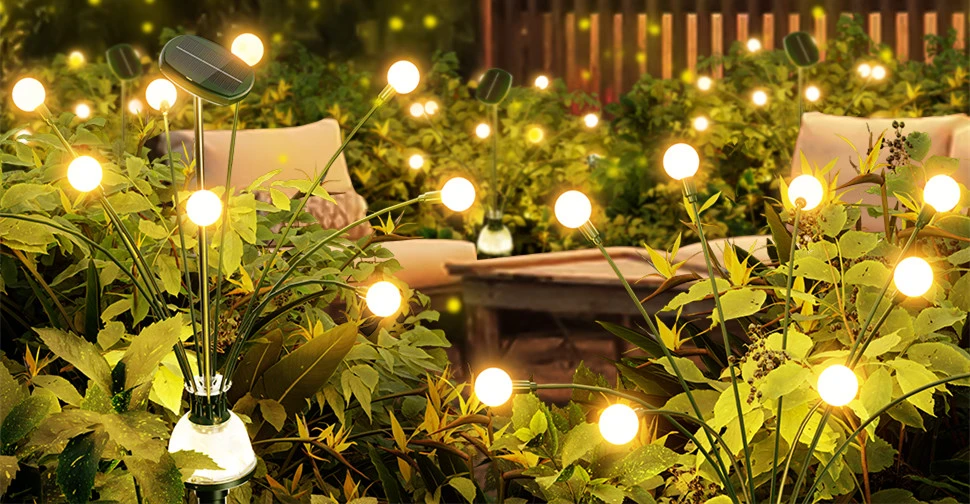
Solar firefly lights stand out for their ability to replicate the soft, twinkling glow of fireflies, evoking a sense of nostalgia and tranquility. Unlike traditional outdoor lighting, which can feel harsh or overly bright, these lights offer a delicate, organic aesthetic that blends seamlessly with natural surroundings. Picture strolling through a California backyard, where the gentle flicker of solar firefly lights along a garden path creates an inviting, almost fairy-tale-like atmosphere. This unique charm makes them a favorite for homeowners seeking to enhance their outdoor spaces without overpowering the natural beauty.
Their versatility allows them to complement various settings, from rustic farmhouses in Georgia to modern suburban homes in Oregon. The lights’ subtle, swaying motion—often designed to mimic fireflies dancing in the breeze—adds a dynamic element to landscapes, making every evening feel special. For American homeowners, solar firefly lights are more than just decor; they’re a way to celebrate the magic of nature in their own backyards.
Energy-Saving Benefits of Solar Power
One of the standout features of solar firefly lights is their reliance on solar energy, making them an environmentally friendly and cost-effective choice. Powered by small solar panels that absorb sunlight during the day, these lights require no external electricity, reducing your carbon footprint and utility bills. In sunny states like Arizona or Florida, where sunlight is abundant, solar firefly lights can operate at peak efficiency, providing hours of illumination after a single day’s charge.
Even in regions with less consistent sunlight, such as the Pacific Northwest, modern solar firefly lights are equipped with advanced photovoltaic cells that can store enough energy to glow through the night. This makes them a practical choice for eco-conscious consumers across the U.S., from coastal Maine to the deserts of Nevada. By choosing solar-powered lighting, you’re not only enhancing your outdoor space but also contributing to a more sustainable future.
Core Practical Guide for Solar Firefly Lights
Key Parameters for Choosing Solar Firefly Lights
Selecting the right solar firefly lights involves considering several key factors to ensure they meet your needs and enhance your outdoor space. Here’s what to look for:
- Brightness and Light Output: Measured in lumens, the brightness of solar firefly lights typically ranges from 5 to 20 lumens per light, ideal for accent lighting. For a cozy glow in a small Ohio backyard, opt for lower lumens; for larger spaces like a Texas ranch, consider brighter options.
- Battery Capacity: Look for lights with high-capacity batteries (e.g., 600mAh or higher) to ensure longer illumination, especially during shorter winter days in places like Michigan.
- Durability and Weather Resistance: Check for an IP65 or higher waterproof rating to withstand rain, snow, or humidity, crucial for regions like Seattle or Miami.
- Design and Aesthetic: Choose styles that match your garden’s theme, whether it’s sleek modern designs for a Chicago patio or rustic stakes for a Tennessee cottage garden.
- Solar Panel Efficiency: High-quality panels with monocrystalline silicon offer better energy conversion, ideal for areas with variable weather like Colorado.
Reading customer reviews on platforms like Amazon or Home Depot can provide insights into real-world performance, especially from users in similar climates or regions.
Installation Tips for Optimal Performance
Proper installation is key to maximizing the beauty and functionality of solar firefly lights. Follow these tips to ensure they shine brightly:
- Choose Sunny Locations: Place the solar panels in areas that receive at least 6–8 hours of direct sunlight daily. In suburban neighborhoods like those in Raleigh, North Carolina, avoid shaded spots under trees or near tall fences.
- Secure the Lights Properly: Use sturdy stakes or mounting options to anchor the lights, especially in windy areas like Oklahoma. For rocky soil, common in parts of New Mexico, consider using weighted bases or adhesive mounts.
- Angle the Solar Panel: Tilt the panel toward the south to capture maximum sunlight, a tip particularly useful in northern states like Minnesota where the sun’s angle is lower.
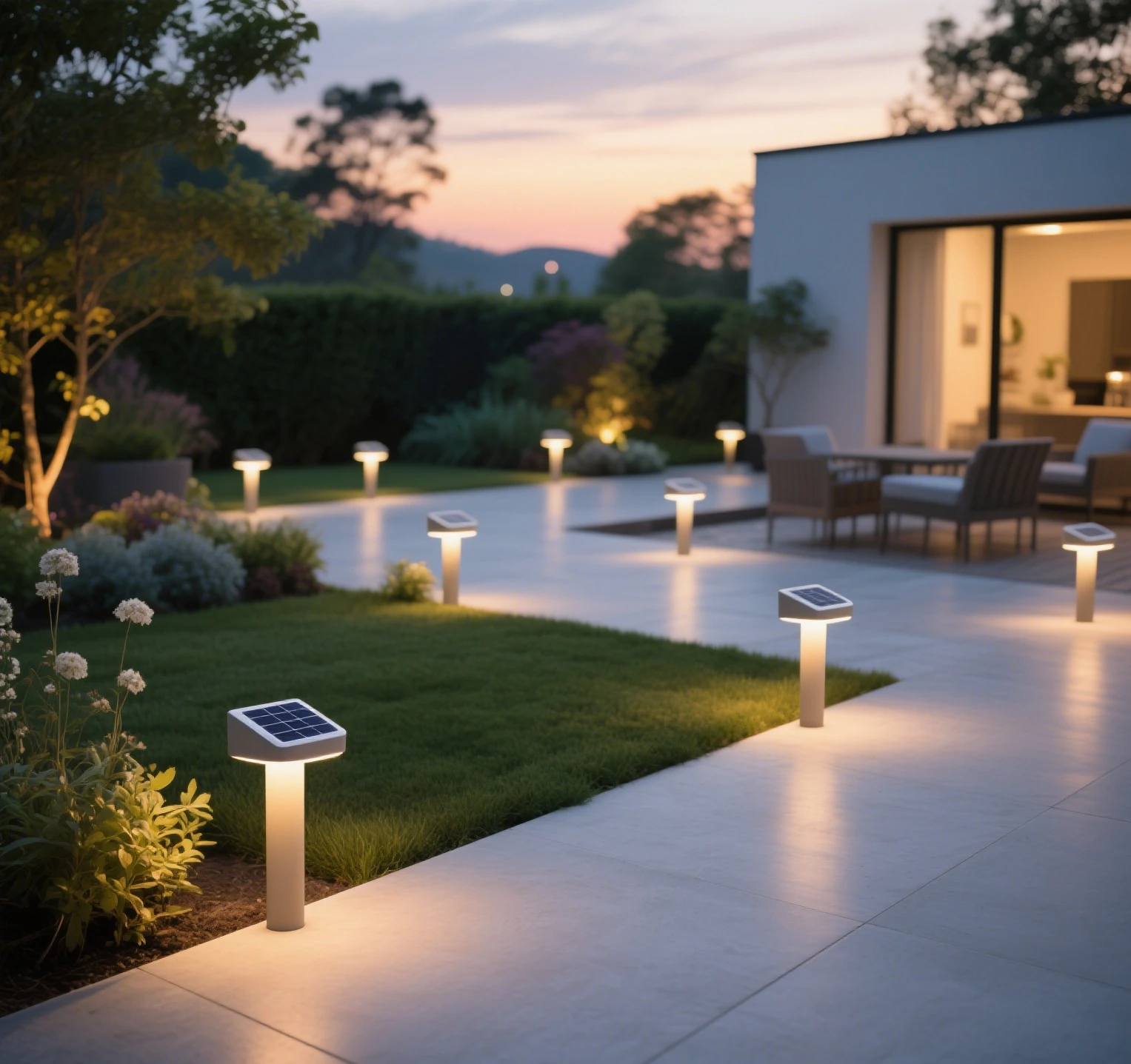
- Space for Effect: Arrange solar firefly lights in clusters or along pathways for a natural, scattered look. A distance of 1–2 feet between lights works well for most garden paths.
Testing the lights after installation ensures they’re functioning correctly. If they don’t glow as expected, reposition the panel or clean it to remove dust or debris.
Maintenance for Long-Lasting Glow
Maintaining solar firefly lights is simple but essential for consistent performance. Here are key maintenance tips:
- Clean the Solar Panel: Dust, pollen, or bird droppings can reduce efficiency. Wipe the panel monthly with a damp cloth, especially in dusty areas like Arizona.
- Check Battery Health: Most solar firefly lights use replaceable NiMH batteries. If the lights dim after a year or two, replace the battery, available at stores like Walmart or online.
- Store in Winter: In harsh winter climates like those in Montana, consider storing the lights indoors during extreme cold to prolong their lifespan.
- Inspect for Damage: Regularly check for cracked casings or loose connections, particularly after storms in hurricane-prone areas like Florida.
By following these steps, your solar firefly lights will continue to illuminate your outdoor space reliably for years.
Creative Scene Pairing Ideas
Garden Layout Suggestions for Different Areas
Solar firefly lights can transform various parts of your garden, creating distinct moods depending on placement. Here are tailored ideas for American homeowners:
- Front Yard Pathways: Line walkways with solar firefly lights to guide guests safely to your door. In suburban Virginia, cluster lights along a curved path for a welcoming effect.
- Backyard Gathering Areas: Place lights around seating areas or fire pits to enhance evening gatherings. In Colorado, string solar firefly lights across a pergola for a cozy vibe.
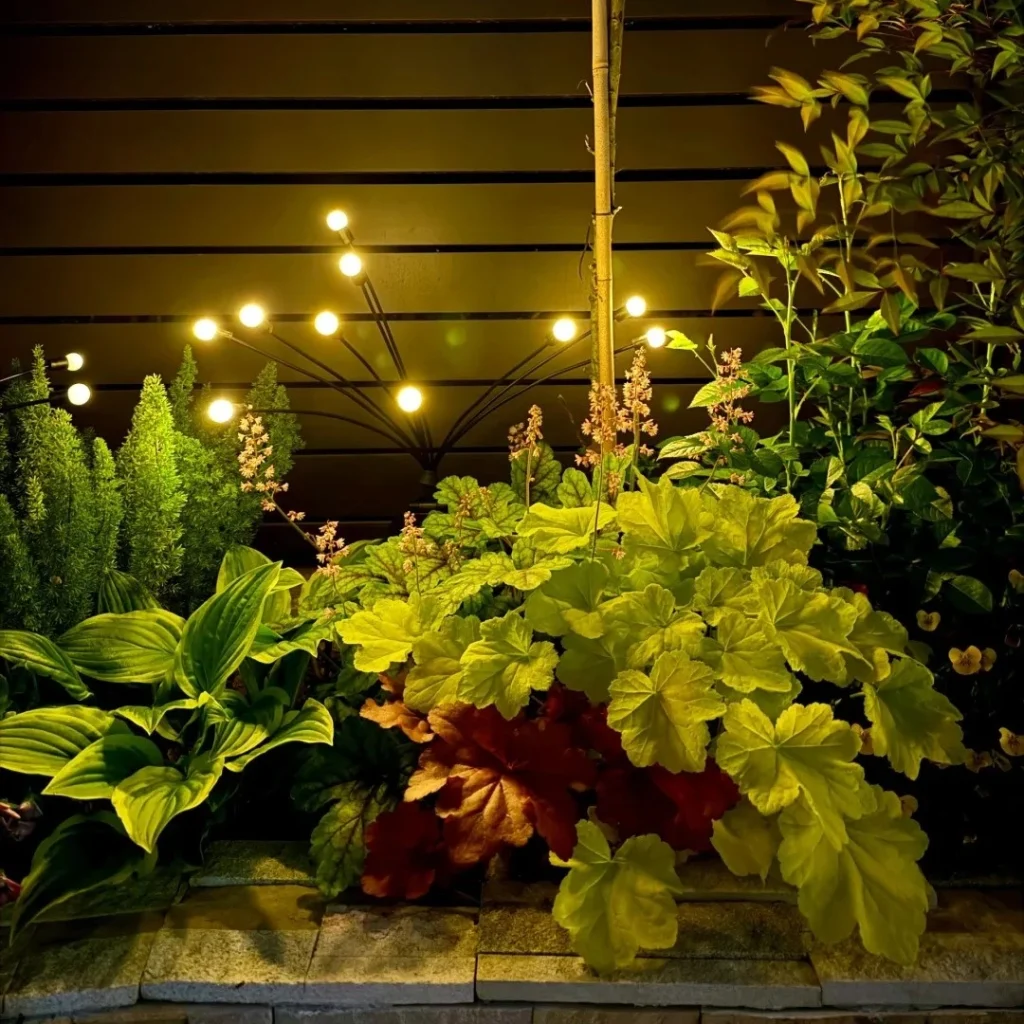
- Flower Beds and Borders: Nestle lights among plants to highlight blooms. In California’s coastal gardens, pair them with lavender or roses for a romantic touch.
- Water Features: Position solar firefly lights near ponds or fountains for a reflective glow. In Florida, place them around a koi pond to mimic fireflies hovering over water.
- Trees and Shrubs: Wrap lights around tree trunks or drape them over low branches. In New England, this works beautifully with maple trees for a whimsical autumn display.
Experimenting with placement allows you to customize the look, making your garden a unique reflection of your style.
Tips for Creating a Magical Ambiance
To elevate the charm of solar firefly lights, consider these creative tips:
- Mix Light Colors: Combine warm white and soft amber lights for a dynamic effect, popular in trendy Portland, Oregon, gardens.
- Vary Heights: Use stakes of different heights to create a layered, natural look, mimicking fireflies at various levels in a Georgia meadow.
- Incorporate Natural Elements: Pair lights with stones, driftwood, or lanterns for a rustic aesthetic, ideal for cabins in the Smoky Mountains.
- Time the Glow: Many solar firefly lights have timers or dusk-to-dawn sensors. Set them to turn on just as twilight hits for maximum impact, a favorite trick in California wine country.
These small touches can turn a simple setup into a breathtaking outdoor experience, perfect for summer evenings or holiday gatherings.
Common Questions About Solar Firefly Lights
Battery Life and Sunlight Relationship
A common question is how sunlight affects the performance of solar firefly lights. The lights rely on solar panels to charge their batteries, so the amount of sunlight directly impacts runtime. In sunny states like Texas, 8 hours of direct sunlight can power lights for 6–10 hours at night. In cloudier regions like Washington, expect 4–6 hours of glow after a full charge. To maximize runtime:
- Ensure panels are free of shade or debris.
- Use lights with high-capacity batteries for longer illumination.
- In winter, when days are shorter in places like Alaska, consider supplementing with additional lights or repositioning panels to catch more sunlight.
Troubleshooting Common Issues
When solar firefly lights don’t work as expected, simple checks can resolve most problems:
- Lights Not Turning On: Verify the panel is in direct sunlight and clean. Check if the switch (if present) is on. If the issue persists, the battery may need replacement.
- Dim or Flickering Lights: This often indicates a low battery charge. Move the panel to a sunnier spot or replace the battery if it’s over a year old.
- Water Damage: If lights stop working after heavy rain, check for cracks in the casing. Ensure the model has an IP65 or higher rating for future use.
- Uneven Glow: If some lights are brighter than others, ensure all panels face the same direction and receive equal sunlight.
For persistent issues, contact the manufacturer or retailer, as many brands offer warranties. Stores like Home Depot or online platforms like Amazon often have customer support for troubleshooting.
Conclusion
Solar firefly lights offer a perfect blend of beauty, sustainability, and practicality, making them an ideal choice for American homeowners looking to enhance their outdoor spaces. From creating a magical ambiance in a New York garden to saving energy in a Nevada backyard, these lights deliver both aesthetic and environmental benefits. By choosing the right lights, installing them strategically, and maintaining them properly, you can enjoy their enchanting glow for years. Whether you’re illuminating a pathway, accenting a flower bed, or hosting a summer party, solar firefly lights bring a touch of nature’s magic to every corner of your home.
Leave a Reply