



Landscape designers constantly seek innovative ways to enhance outdoor spaces while preserving natural beauty and sustainability. Pairing solar lighting with American native plants offers a perfect blend of eco-conscious design and aesthetic appeal. This guide explores how to integrate solar lighting with native plants like succulents, jacarandas, and sweetgums, creating stunning, low-maintenance landscapes. By leveraging the unique characteristics of native plants and strategic lighting, designers can craft visually striking and environmentally friendly outdoor spaces. Below, we outline tailored lighting strategies for different plant types, provide a practical reference table, and showcase a real-world project with before-and-after visuals.
Drought-Tolerant Plants: Highlighting Textures with Solar Ground Lights
Drought-tolerant native plants, such as cacti and agaves, thrive in arid regions and are prized for their sculptural forms and resilience. These plants, often found in the American Southwest, have bold silhouettes that lend themselves to dramatic lighting effects. Copper solar ground lights are an excellent choice for these areas, as their warm, metallic finish complements the earthy tones of succulents while providing subtle illumination.
To enhance the texture of cacti or agaves, position copper solar ground lights at the base of the plants, directing warm light (2700K–3000K) upward to accentuate their spiky or rosette shapes. The warm glow highlights the rugged surfaces without overwhelming the natural aesthetic. For example, placing lights around a barrel cactus creates a soft halo effect, emphasizing its cylindrical form against the night sky. Avoid overly bright lights, as they can wash out the plant’s natural colors. Instead, opt for low-wattage solar lights with a narrow beam angle (15–30 degrees) to focus light precisely on the plant’s contours.
This approach not only elevates the visual impact but also aligns with sustainability goals. Solar lighting requires no external power, reducing energy costs and environmental impact, which is especially important in water-scarce regions where drought-tolerant plants dominate.
Flower Borders: Soft Lighting for Delicate Blooms
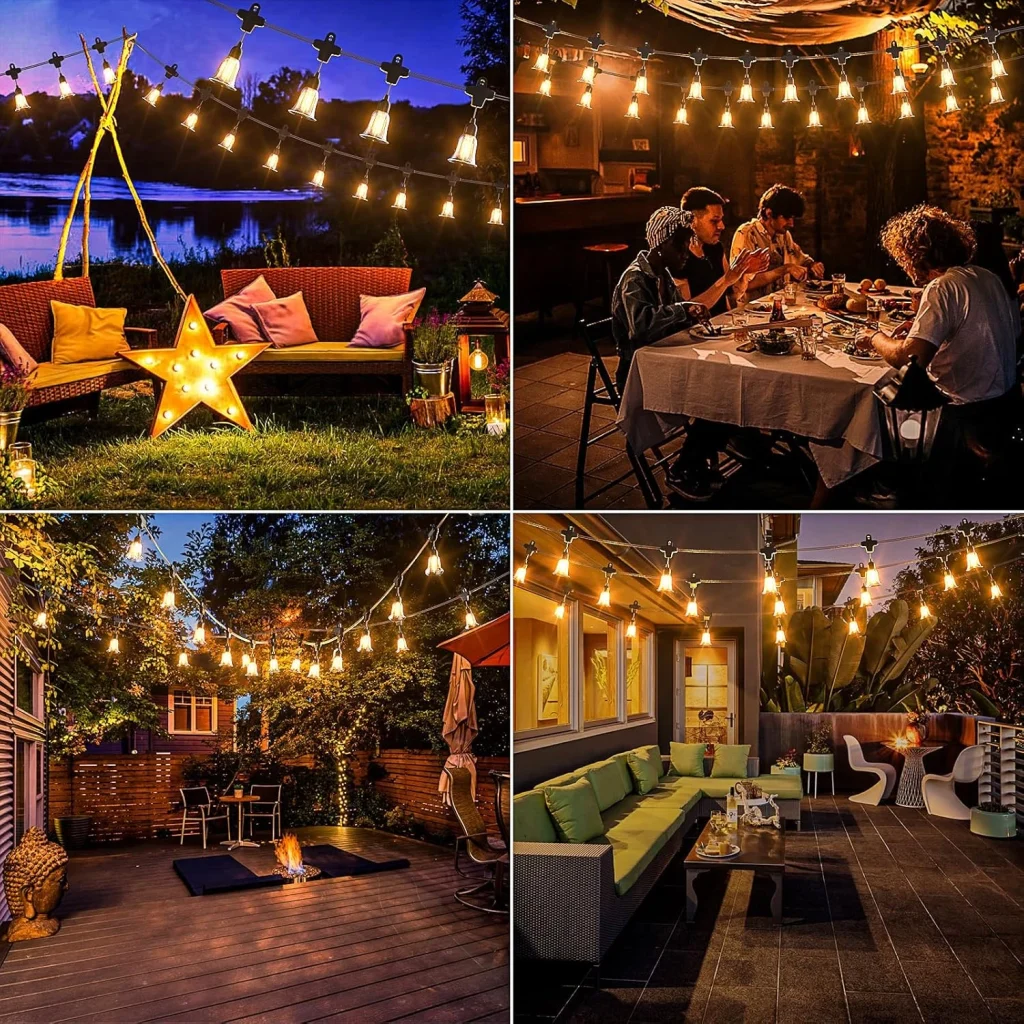
Flower borders featuring native plants like crape myrtles or purple coneflowers create vibrant, colorful displays that require careful lighting to preserve their delicate beauty. Harsh or overly bright lights can damage petals or disrupt the plants’ natural cycles. Low-brightness solar string lights are ideal for these areas, offering gentle illumination that enhances the ambiance without overpowering the flowers.
For instance, wrapping solar string lights around a crape myrtle trellis or pergola creates a whimsical, starry effect that complements the plant’s airy blooms. Use lights with a soft white or warm amber tone (2200K–2700K) to mimic moonlight, ensuring the delicate pinks, purples, or whites of the flowers remain vibrant. Position the lights to drape loosely, avoiding direct contact with petals to prevent heat damage, even from low-output solar LEDs. A beam angle of 120 degrees or more ensures even light distribution across the flower bed, creating a cohesive glow.
This technique is particularly effective in small urban gardens or residential landscapes, where crape myrtles add seasonal color. By using solar-powered string lights, designers can create a magical evening atmosphere while maintaining energy efficiency and minimizing maintenance.
Tree Illumination: Showcasing Foliage with Uplighting
Trees like North American red maples or sweetgums are iconic for their stunning seasonal foliage, especially in autumn when leaves turn fiery red or golden yellow. Solar uplighting is a powerful tool to highlight these trees’ architectural beauty and vibrant colors. By directing light upward through the canopy, designers can create dramatic focal points that draw the eye and enhance the landscape’s depth.
For red maples, position solar uplights at the base of the trunk, angled at 30–45 degrees to illuminate the lower and mid-canopy. A neutral white light (3500K–4000K) works best to showcase the rich reds and oranges of autumn leaves without altering their natural hues. For sweetgums, which have star-shaped leaves and a more open structure, use multiple low-wattage uplights spaced evenly around the trunk to create a layered effect. This approach highlights the tree’s texture and form, especially when leaves catch the light at different angles.
Solar uplights are particularly advantageous for tree lighting because they eliminate the need for complex wiring, making installation easier in large or remote landscapes. Choose weather-resistant models with adjustable angles to adapt to seasonal changes in foliage density. This ensures the lighting remains effective year-round, from spring blooms to fall color displays.
Practical Reference: Native Plants, Color Temperatures, and Angles
To simplify the design process, the following table provides a quick reference for pairing American native plants with appropriate solar lighting settings. This ensures optimal visual impact while respecting the plants’ natural characteristics.
| Native Plant | Recommended Light Type | Color Temperature | Beam Angle | Notes |
|---|---|---|---|---|
| Cacti/Agaves | Copper Solar Ground Lights | 2700K–3000K (Warm) | 15–30° | Highlights texture; avoid over-illumination to preserve natural colors. |
| Crape Myrtle | Low-Brightness Solar String Lights | 2200K–2700K (Soft White) | 120°+ | Gentle glow for delicate blooms; drape loosely to avoid petal damage. |
| Red Maple/Sweetgum | Solar Uplights | 3500K–4000K (Neutral) | 30–45° | Emphasizes foliage layers; use multiple lights for larger trees. |
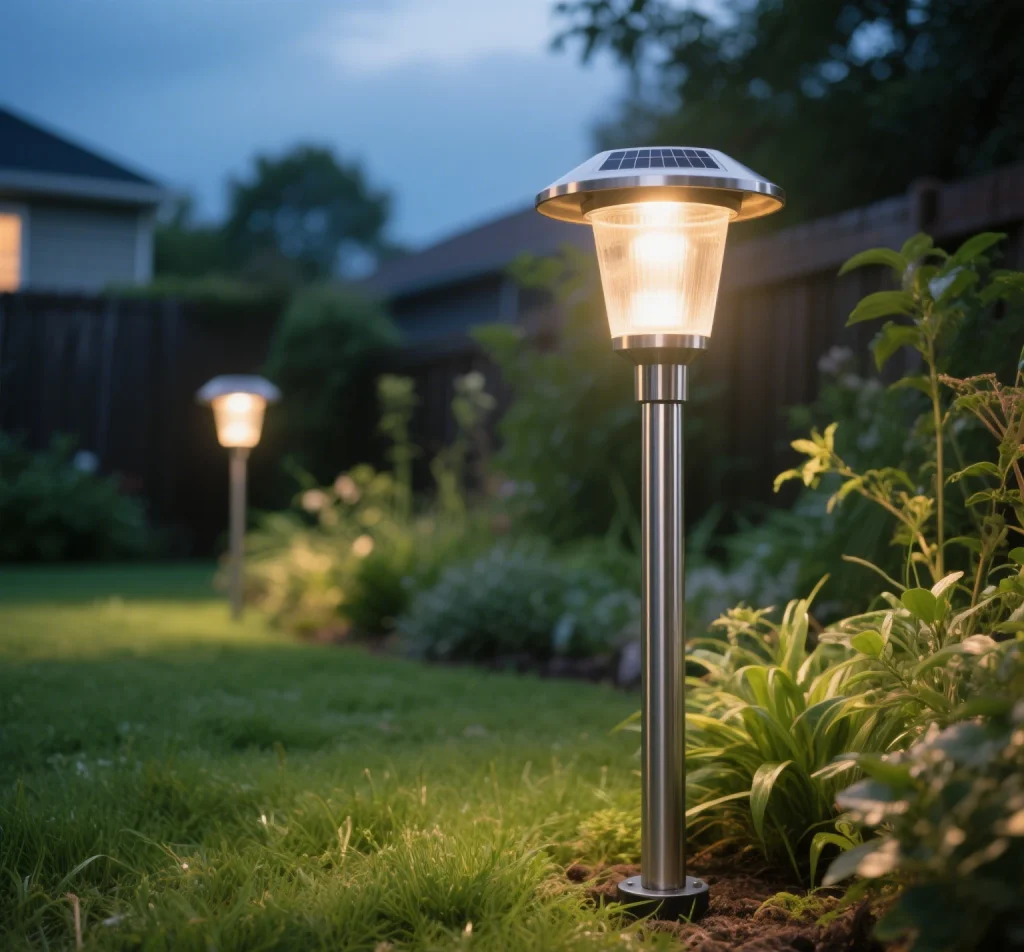
| Purple Coneflower | Solar Path Lights | 2700K–3000K (Warm) | 60–90° | Low placement to highlight flower height and color in borders. |
| Jacaranda | Solar Spotlights | 3000K–3500K (Warm-Neutral) | 25–40° | Focuses on vibrant purple blooms; adjust angle to avoid leaf shadowing. |
This table serves as a starting point for designers, but adjustments may be needed based on site conditions, plant size, and desired aesthetic. Always test lighting setups at night to ensure the balance between illumination and natural beauty is maintained.
Real-World Application: Before and After
To illustrate the impact of strategic solar lighting, consider a recent project in a suburban Arizona garden. The original landscape featured a mix of cacti, agaves, and a central jacaranda tree, but lacked nighttime appeal. The design team implemented the following:
- Before: The garden was dark and uninviting after sunset, with the unique shapes of cacti and the jacaranda’s purple blooms invisible. Pathways were poorly defined, posing safety concerns.
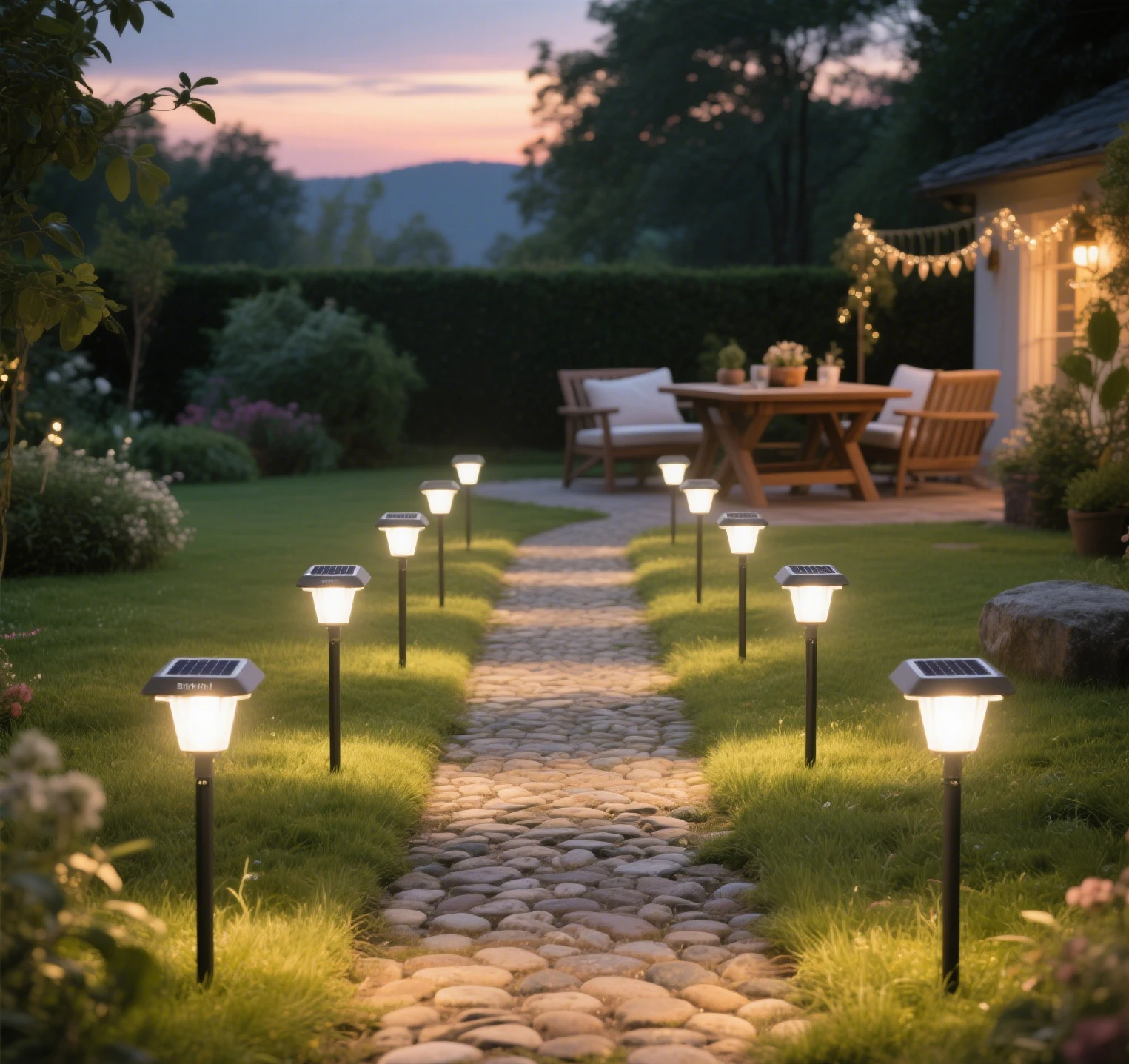
- Lighting Plan: Copper solar ground lights were installed around agaves, casting warm 2700K light to highlight their rosette forms. Solar spotlights with a 3000K temperature were aimed at the jacaranda, illuminating its canopy at a 30-degree angle. Solar path lights lined walkways, ensuring safe navigation.
- After: The garden transformed into a nighttime oasis. The agaves’ textures stood out against the warm glow, the jacaranda became a vibrant focal point, and the pathways were both functional and aesthetically pleasing. The use of solar lighting eliminated energy costs and reduced maintenance, delighting the client.
This project demonstrates how thoughtful lighting design can elevate a landscape while aligning with sustainability goals. The before-and-after contrast highlights the power of combining American native plants with solar lighting to create functional, beautiful outdoor spaces.
Sustainability and Design Synergy
The integration of solar lighting with American native plants offers more than aesthetic benefits. Native plants are adapted to local climates, requiring less water and maintenance than non-native species. Pairing them with solar-powered lights further reduces environmental impact by eliminating reliance on grid electricity. This synergy appeals to eco-conscious clients and aligns with modern landscape design trends that prioritize sustainability.
For example, in regions like the Pacific Northwest, where red maples thrive, solar uplights can highlight autumn foliage while operating efficiently even in cloudy conditions, thanks to advancements in solar panel technology. In the Southeast, crape myrtles paired with solar string lights create low-maintenance, high-impact displays that require minimal upkeep.
Practical Tips for Implementation
When designing with solar lighting and native plants, consider the following:
- Site Assessment: Evaluate sunlight exposure to ensure solar panels charge effectively. Place lights in areas with at least 6–8 hours of direct sunlight daily.
- Plant Health: Avoid placing lights too close to plants, as even low-heat LEDs can cause stress if positioned improperly.
- Seasonal Adjustments: Re-angle lights seasonally to account for changes in plant growth or foliage density, especially for deciduous trees like sweetgums.
- Maintenance: Choose high-quality solar lights with durable batteries (e.g., lithium-ion) to ensure longevity in harsh weather conditions.
By following these guidelines, designers can create landscapes that are both visually stunning and environmentally responsible.
Conclusion
Pairing solar lighting with American native plants allows landscape designers to craft sustainable, visually captivating outdoor spaces. From the rugged beauty of cacti illuminated by copper ground lights to the delicate charm of crape myrtles enhanced by string lights, each plant type offers unique opportunities for creative lighting design. By using the reference table and drawing inspiration from real-world examples, designers can confidently integrate solar lighting into their projects, ensuring beauty, functionality, and sustainability. This approach not only meets client expectations but also sets a new standard for eco-friendly landscape design.
Leave a Reply