


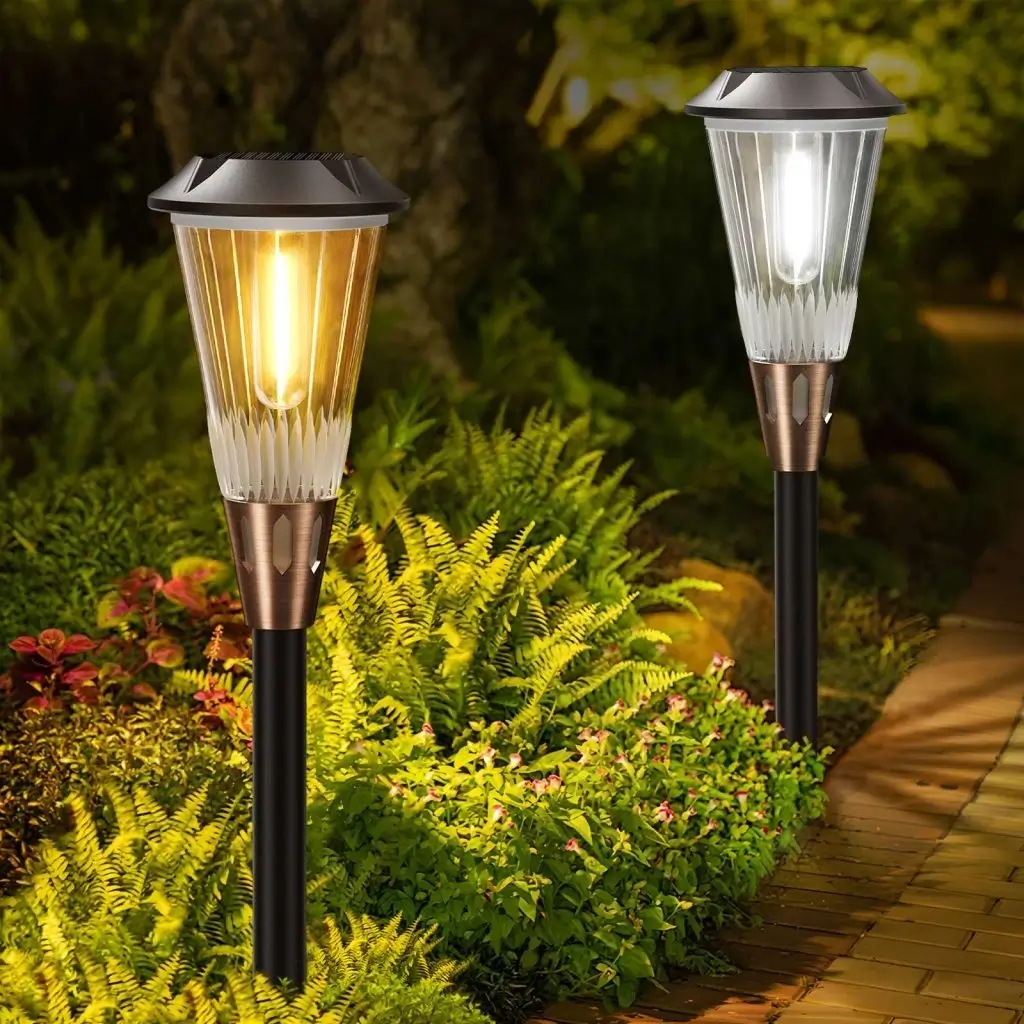
Traditional garden lights demand frequent bulb replacements, rack up electricity costs (around $30 annually), and often fail in harsh North American winters. In contrast, solar garden lights require minimal upkeep, costing less than $5 per year to maintain, and deliver consistent energy efficiency across all seasons. By embracing sustainable lighting, North American homeowners can achieve a garden that balances low maintenance with high aesthetic returns, adapting seamlessly to spring blooms, autumn leaves, and winter’s bare branches. This guide offers a science-driven approach to selecting and arranging Solar garden lights, Solar floodlights, and Solar fence lights, tailored to North America’s diverse climates (from -20°C Northeast winters to 35°C+ Southwest summers). With a focus on long-term cost control and aesthetic continuity, we provide practical strategies to create an eco-friendly, visually stunning garden that thrives year-round.
The Case for Solar: Cost and Aesthetic Advantages
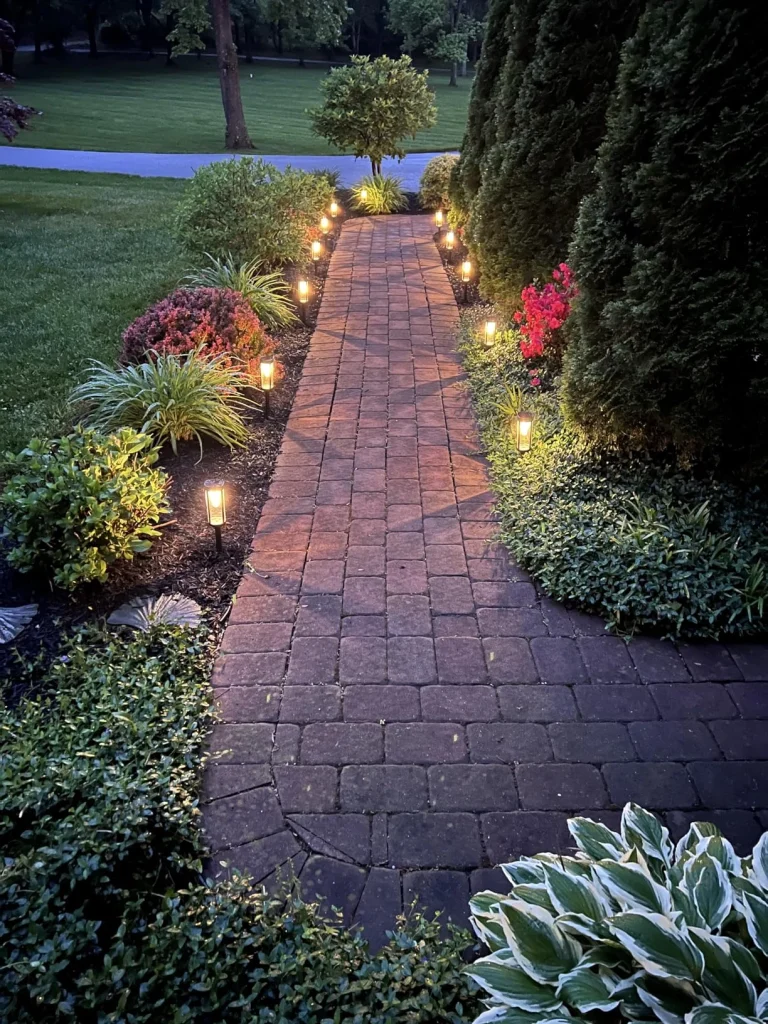
Switching to solar energy for garden lighting addresses both economic and aesthetic challenges. Traditional lights, with an initial cost of ~$80, incur ongoing expenses—$20-30 annually for bulbs and electricity—totaling ~$230 over five years. Sustainable lighting with solar, while requiring a higher upfront investment (~$150), reduces five-year costs to ~$175 due to near-zero energy and maintenance expenses. Beyond long-term cost savings, solar lights maintain visual appeal across seasons. For example, a well-placed Solar floodlight highlights spring roses, autumn foliage, or winter branches, ensuring a return on investment through consistent beauty. This guide outlines how to select durable, efficient fixtures and arrange them for minimal upkeep and maximum impact, aligning with North American homeowners’ desire for sustainability and style.
1. Product Selection: Durable and Efficient Solar Lights
Choosing the right solar lights ensures energy efficiency and resilience against North America’s varied climates. Below are tailored recommendations for three key fixtures, emphasizing weather resistance and seasonal adaptability.
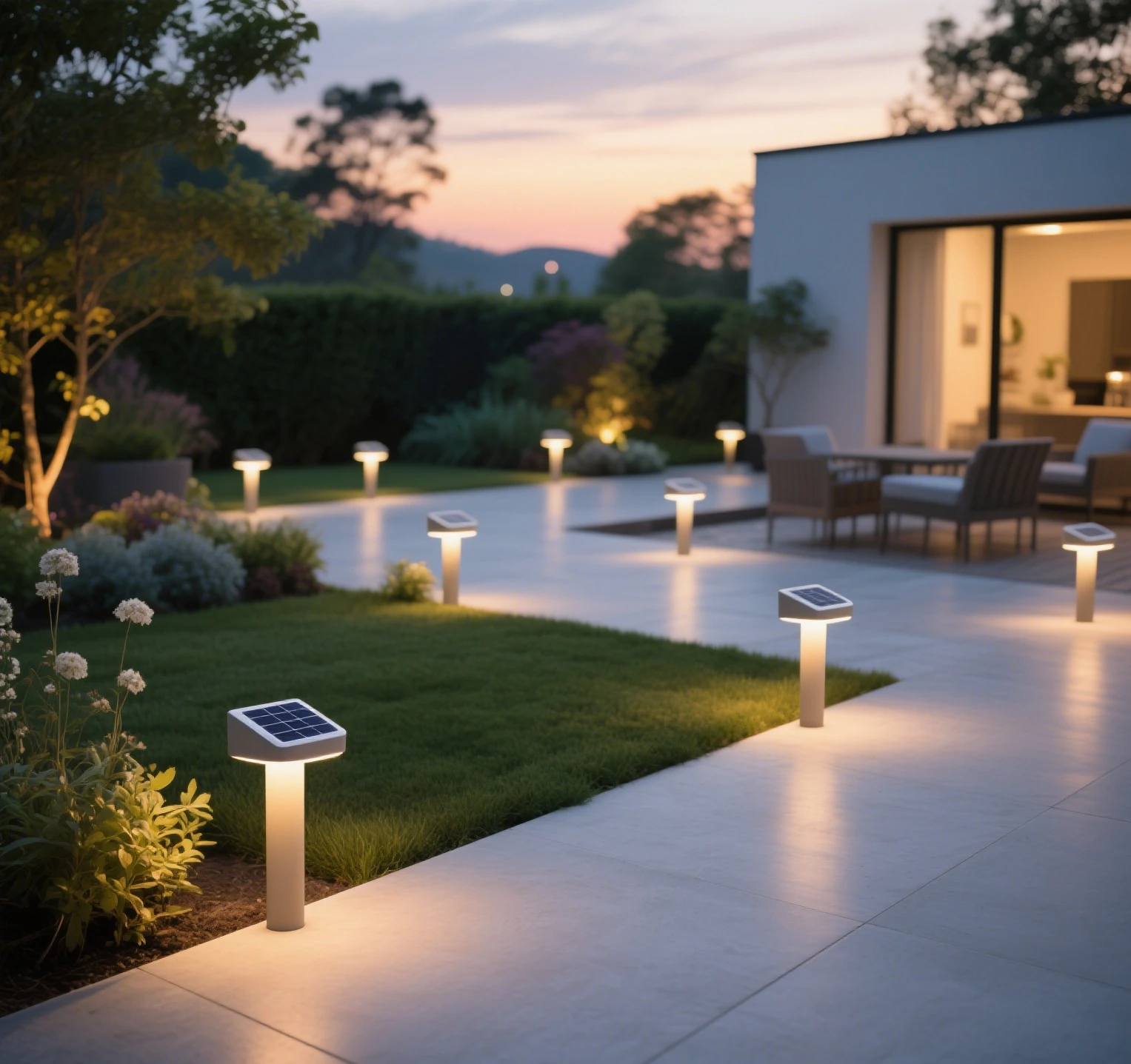
Solar Garden Lights: Versatile and Low Maintenance
- Role: Illuminate plant beds or pathways, enhancing garden aesthetics while ensuring low maintenance.
- Specifications: Select IP67-rated Solar garden lights for rain and snow resistance, with batteries rated for -30°C to 60°C to withstand extreme climates (e.g., Northeast winters or Southwest summers). Frosted glass covers reduce dust buildup, cutting cleaning frequency.
- Design Tip: Use 200-300 lumen, warm white (2700K) lights for a cozy glow that highlights flower textures in spring and bare branches in winter. Install at 60-80cm height for optimal coverage.
- Example: A Maine family used IP67 Solar garden lights around their rose beds, maintaining vibrant illumination even after heavy snow, with cleaning needed only biweekly.
Solar Floodlights: High-Impact Illumination
- Role: Provide broad coverage for large areas like lawns, ensuring night visibility and seasonal adaptability.
- Specifications: Choose 1200+ lumen Solar floodlights with dual-mode sensors (light + motion). These dim to 20% brightness when idle, saving energy, and ramp up to full brightness when motion is detected (10-15ft range). IP66 rating ensures durability in wet climates.
- Design Tip: Mount at 2.5-3m in lawn corners, angled 30° downward to cover a 10x15ft area. High brightness pierces through autumn leaves or winter branches.
- Example: A Texas homeowner installed two Solar floodlights to light their 12x18ft lawn, eliminating the need for adjustments after fall leaf drop, thanks to the high lumen output.
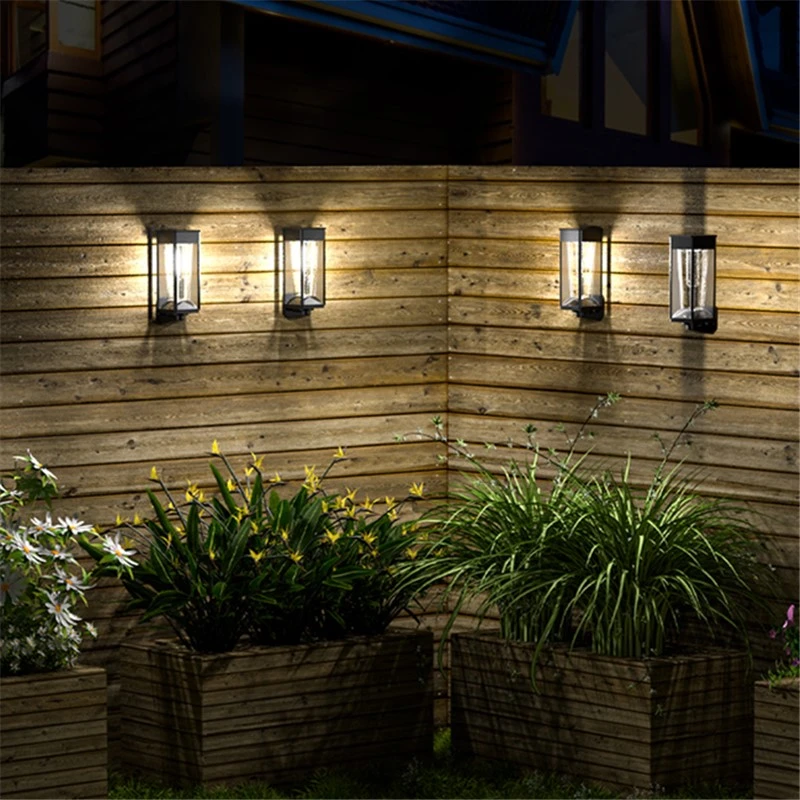
Solar Fence Lights: Discreet and Durable
- Role: Accentuate boundaries while resisting corrosion in humid or coastal regions.
- Specifications: Opt for Solar fence lights with integrated, corrosion-resistant aluminum alloy housings and IP65+ ratings to prevent water ingress. Use 100-150 lumen, warm white (3000K) lights for subtle elegance.
- Design Tip: Space lights 1-1.5m apart along fences to create a cohesive “light band.” Choose models with replaceable 18650 lithium batteries for easy maintenance.
- Example: A Seattle couple used aluminum Solar fence lights along their garden perimeter, avoiding rust issues common in their rainy climate.
2. Simplified Maintenance: Less Work, Lasting Performance
A low maintenance lighting system minimizes intervention while ensuring consistent performance. Here’s how to achieve it:
Regular Cleaning
- Solar Panels: Wipe panels biweekly with a damp cloth to remove dust, leaves, or snow, common in North American suburbs. This ensures optimal charging, especially in fall and winter when debris accumulates.
- Lamp Housings: Clean lamp exteriors quarterly with a mild, neutral detergent to prevent dirt buildup on frosted covers or lenses, maintaining light clarity.
- Time Estimate: Cleaning a 10-light setup takes ~10 minutes biweekly, keeping long-term cost low.
Smart Sensors
- Seasonal Adaptation: Choose lights with “four-season daylight adaptive” sensors. These adjust runtime based on daylight hours (e.g., shorter in winter, longer in summer), eliminating manual tweaks. For instance, a winter runtime of 6 hours conserves battery, while summer extends to 10 hours.
- Energy Savings: Motion sensors on Solar floodlights reduce idle power use by 80%, enhancing energy efficiency without sacrificing night visibility.
Model Uniformity
- Standardized Components: Use one brand or battery type (e.g., 18650 lithium batteries) across all lights to simplify replacements. A single battery swap every 1-2 years costs ~$5 per light.
- Example: A Colorado family standardized their Solar garden lights and Solar fence lights to one brand, streamlining maintenance and cutting costs by 30% over five years.
3. Scene-Specific Lighting: Adapting to Garden Features and Seasons
North American gardens vary by season and feature, requiring tailored lighting to maintain sustainable lighting and aesthetic appeal. Below are strategies for common garden zones:
Seasonal Plant Beds (e.g., Rose Gardens)
- Setup: Place Solar garden lights (60-80cm height, 2700K) around flower beds, spaced 1-1.2m apart, to highlight blooms in spring/summer. In fall/winter, angle lights upward 10°-15° to illuminate branches, preserving visual depth.
- Aesthetic Impact: Warm white light enhances petal textures in spring and creates striking branch shadows in winter, ensuring year-round return on investment in beauty.
- Example: A Michigan gardener used eight Solar garden lights to frame their rose bed, adjusting angles in winter to highlight bare stems, maintaining a layered look.
Lawn Areas (e.g., 10x15ft Family Lawn)
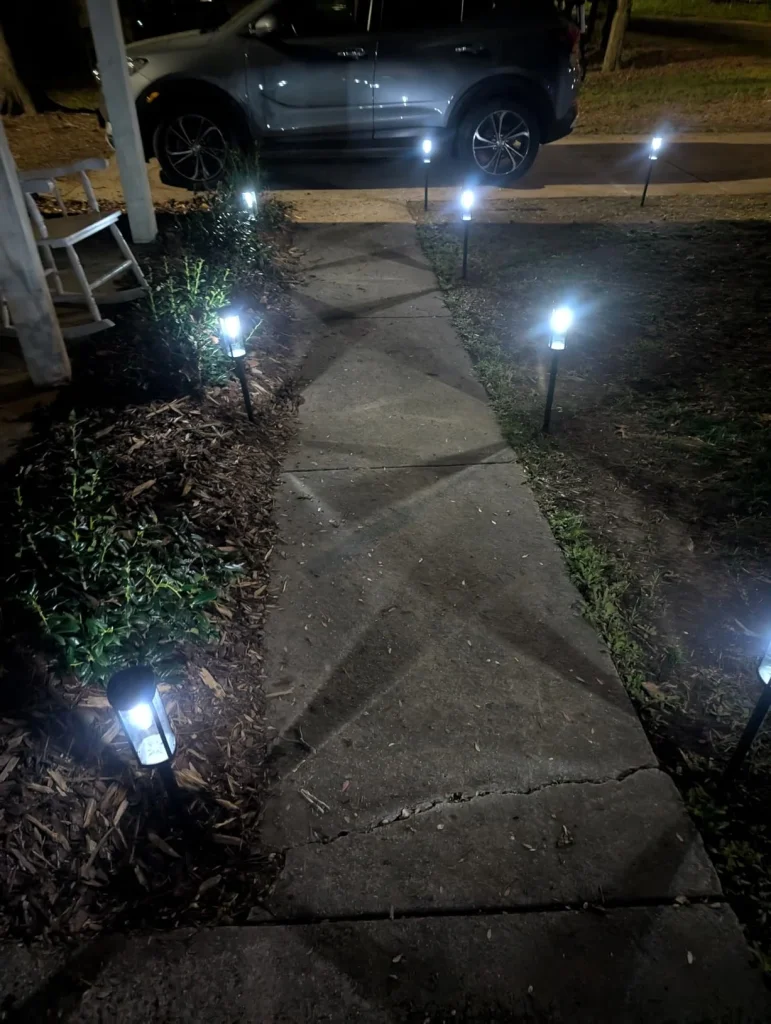
- Setup: Install two Solar floodlights (1200lm, 2.5-3m height) at opposite lawn corners, angled to cover the entire area. No adjustments needed post-fall leaf drop, as high brightness ensures coverage.
- Aesthetic Impact: Broad illumination highlights green grass in summer and creates a soft glow through bare trees in winter, maintaining garden aesthetics.
- Example: A California family’s lawn stayed vibrant under Solar floodlights, with motion sensors ensuring energy-efficient lighting for evening gatherings.
Water Features (e.g., Small Fountains)
- Setup: Use IP68 Solar garden lights (5000K, cold white) submerged 10-20cm underwater to enhance reflections. Remove and store before winter freezing in cold regions (e.g., Midwest, Northeast) to prevent damage.
- Aesthetic Impact: Cold white light creates a “shimmering diamond” effect on water, adding elegance year-round (except in frozen winters).
- Example: A Wisconsin homeowner used submersible Solar garden lights in their fountain, storing them in winter to avoid ice damage, ensuring a five-year lifespan.
4. Environmental Responsibility: Materials and Recycling
Sustainable lighting extends beyond energy savings to material choices and end-of-life management, aligning with North American environmental norms.
Eco-Friendly Materials
- Green Cable: Use biodegradable PVC wiring for Solar garden lights and Solar fence lights to minimize soil pollution if discarded. These cables decompose within 5-10 years, unlike traditional PVC.
- Recyclable Housings: Choose lights with ABS plastic or aluminum alloy casings labeled as recyclable. These materials are accepted in most North American recycling programs.
- Cost Benefit: Recyclable materials add ~$10 to initial costs but reduce environmental fees during disposal, enhancing long-term cost savings.
Battery and Fixture Recycling
- Lithium Batteries: Remove and recycle 18650 batteries at designated drop-offs (e.g., Best Buy, Home Depot), preventing heavy metal leakage. One battery recycling trip every 2 years costs ~$0.
- Fixture Disposal: Sort aluminum and plastic components for curbside recycling, following local guidelines (e.g., separate metal and plastic in Seattle’s recycling system).
- Example: A New York family recycled their old Solar garden lights at Home Depot, ensuring zero landfill waste and compliance with local regulations.
Conclusion: Sustainable Beauty for the Long Haul
Embracing solar energy for garden lighting moves beyond the cycle of frequent replacements and high energy costs, offering a path to sustainable lighting that blends low maintenance, energy efficiency, and enduring garden aesthetics. With an initial investment of ~$150, solar lights deliver a five-year cost of ~$175, compared to $230 for traditional systems, while maintaining beauty across North America’s seasons—from spring blooms to winter silhouettes. By choosing IP67+ fixtures, adaptive sensors, and recyclable housings, homeowners achieve a return on investment through minimal upkeep and environmental responsibility. This isn’t just about lighting a garden; it’s about crafting a sustainable legacy that enhances your home’s beauty and aligns with North America’s eco-conscious ethos for years to come.
Leave a Reply