



Solar lights aren’t just about clean energy—they’re a chance to rethink how we design, use, and recycle outdoor lighting. By focusing on the full lifecycle, from production to disposal, solar lights can slash waste and boost sustainability. This article dives into how nine types of solar lights can embrace eco-friendly materials, modular designs, and recycling systems to achieve near-zero waste while balancing durability and environmental impact.

Eco-Friendly Materials: Greener From the Start
The journey to sustainability begins with what solar lights are made of. Choosing biodegradable or recyclable materials cuts down on environmental harm right from production.
- Biodegradable shells: Decorative lamps can use corn starch-based plastics, which break down naturally without leaving toxic residue.
- Recycled metals: Garden and fence lights often rely on sturdy aluminum or steel frames, which can be sourced from recycled materials to reduce mining impacts.
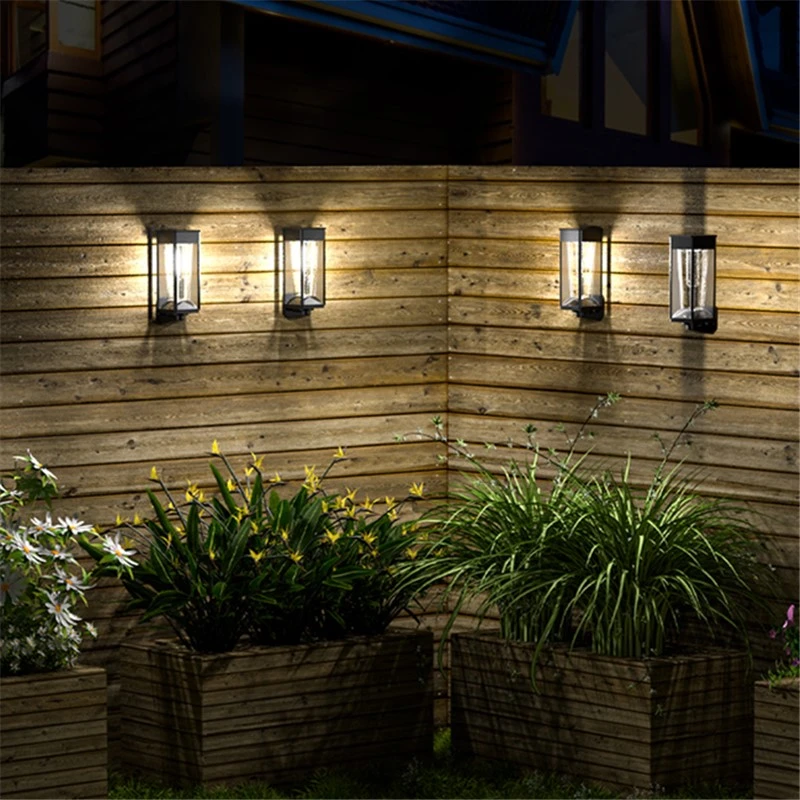
- Regenerative plastics: Wall-mounted solar sconces made from recycled plastic bottles lower the demand for virgin materials.
These choices shrink the carbon footprint before a light even reaches your backyard.
Modular Design: Repair Over Replace
Solar lights often fail due to a single component, like a worn-out battery. Modular designs make repairs easy, extending product life and reducing waste.
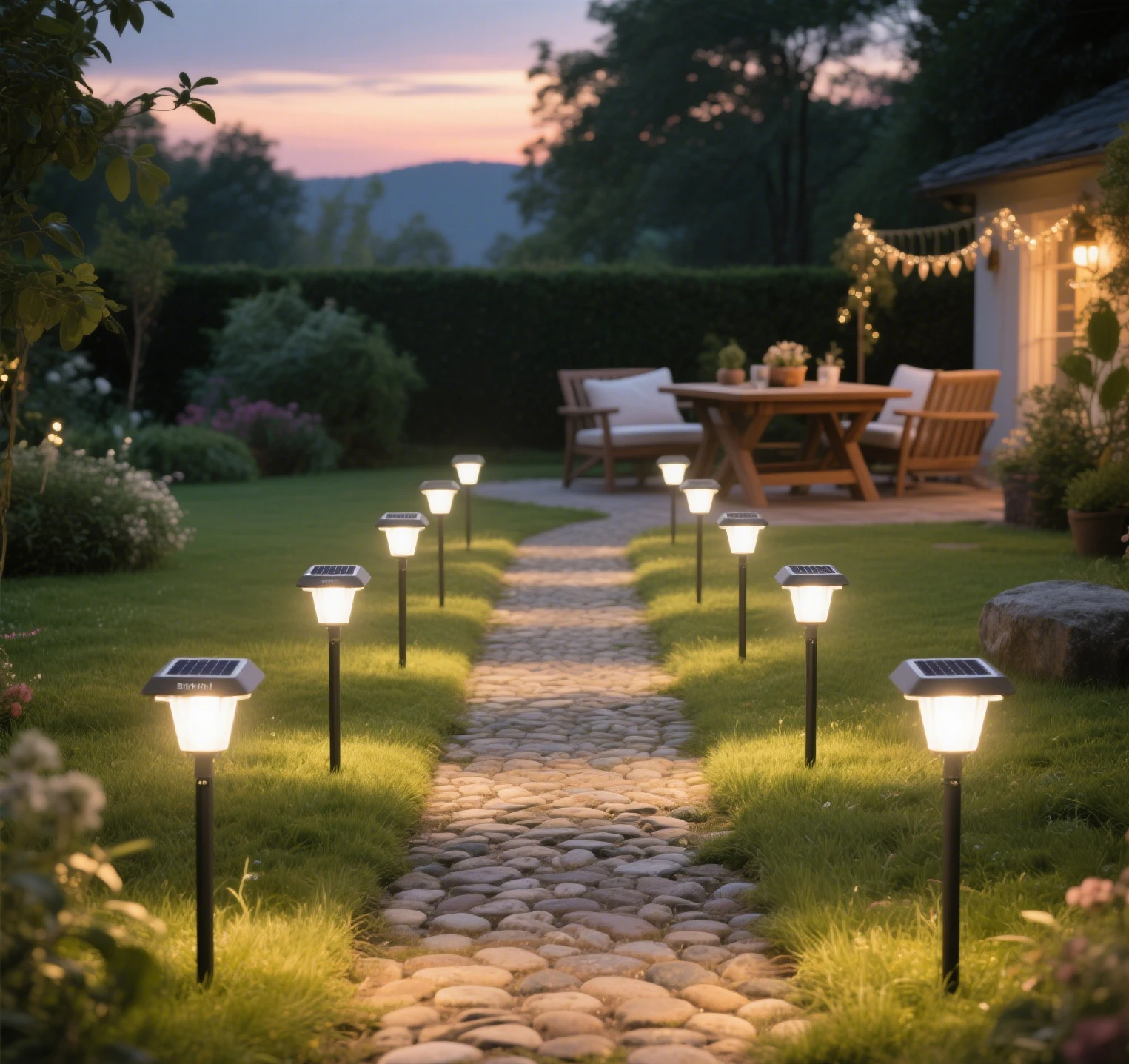
- Swappable battery compartments: Pathway lights with detachable battery packs allow users to replace just the battery, not the entire unit.
- Interchangeable parts: String lights and stake lights can share components, like solar panels, to simplify repairs across models.
- User-friendly access: Lanterns designed with screw-off covers encourage DIY fixes without specialized tools.
This approach keeps lights shining longer and cuts down on landfill-bound discards.
Battery Recycling: Second-Life Solutions
Batteries are the heart of solar lights but can be tricky to dispose of. A robust recycling and reuse system ensures they don’t end up as waste.
- Second-life batteries: Used garden light batteries, still functional but with reduced capacity, can power low-demand decorative lamps.
- Collection programs: Manufacturers can set up drop-off points for old solar lights, ensuring batteries are safely recycled.
- Standardized batteries: Using common battery types across spotlights and step lights simplifies recycling processes.
This “ladder” approach to battery use maximizes resource efficiency and minimizes environmental harm.
Low-Carbon Production: Smarter Manufacturing
Reducing the carbon footprint of solar lights starts in the factory. Small changes in production can make a big difference.
- Simplified packaging: Pathway lights shipped in minimal, recyclable cardboard cut down on waste and transport emissions.
- Energy-efficient processes: Producing solar panels for floodlights with renewable energy lowers the overall carbon cost.
- Local sourcing: Using nearby suppliers for hanging orb components reduces shipping-related emissions.
These steps ensure solar lights are as green to make as they are to use.
Nine Solar Lights: A Sustainable Ecosystem
To achieve full lifecycle sustainability, different types of solar lights must work together in an eco-conscious system. Here’s how nine common types contribute:
- String lights: Use biodegradable wiring insulation for easier disposal.
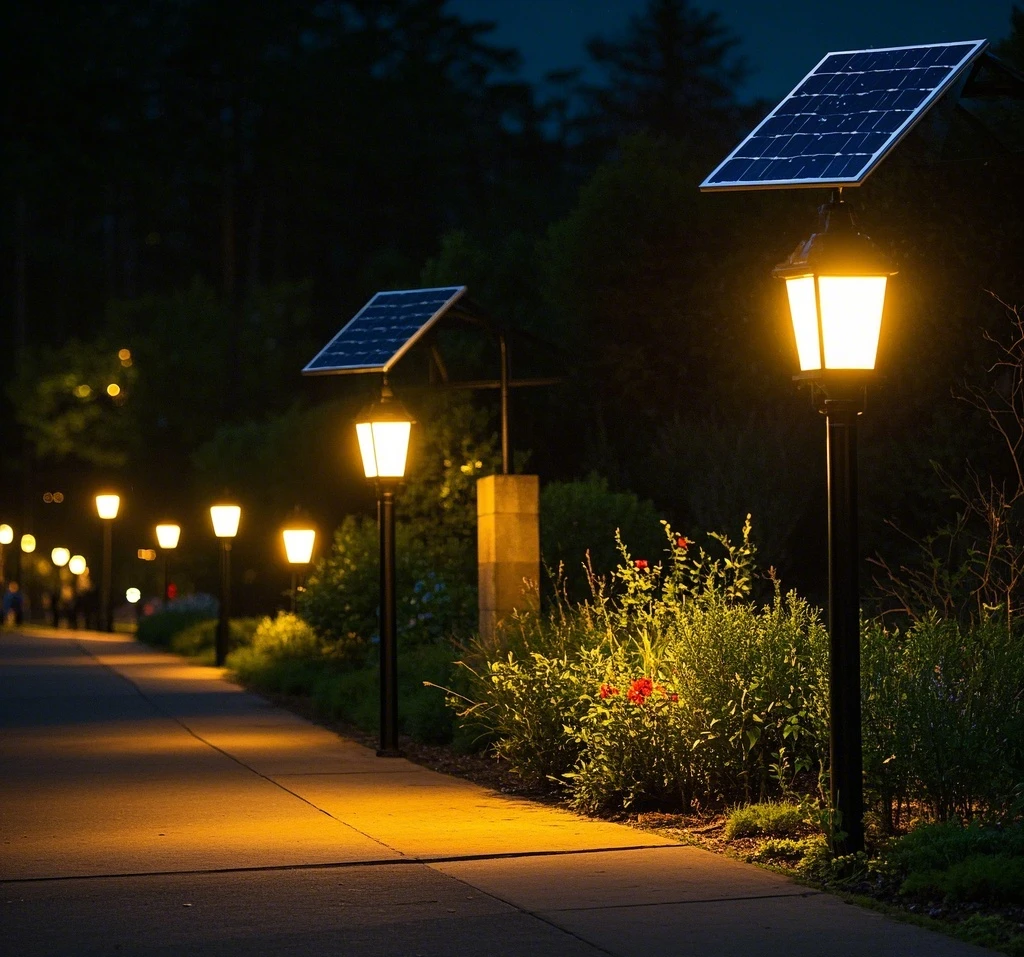
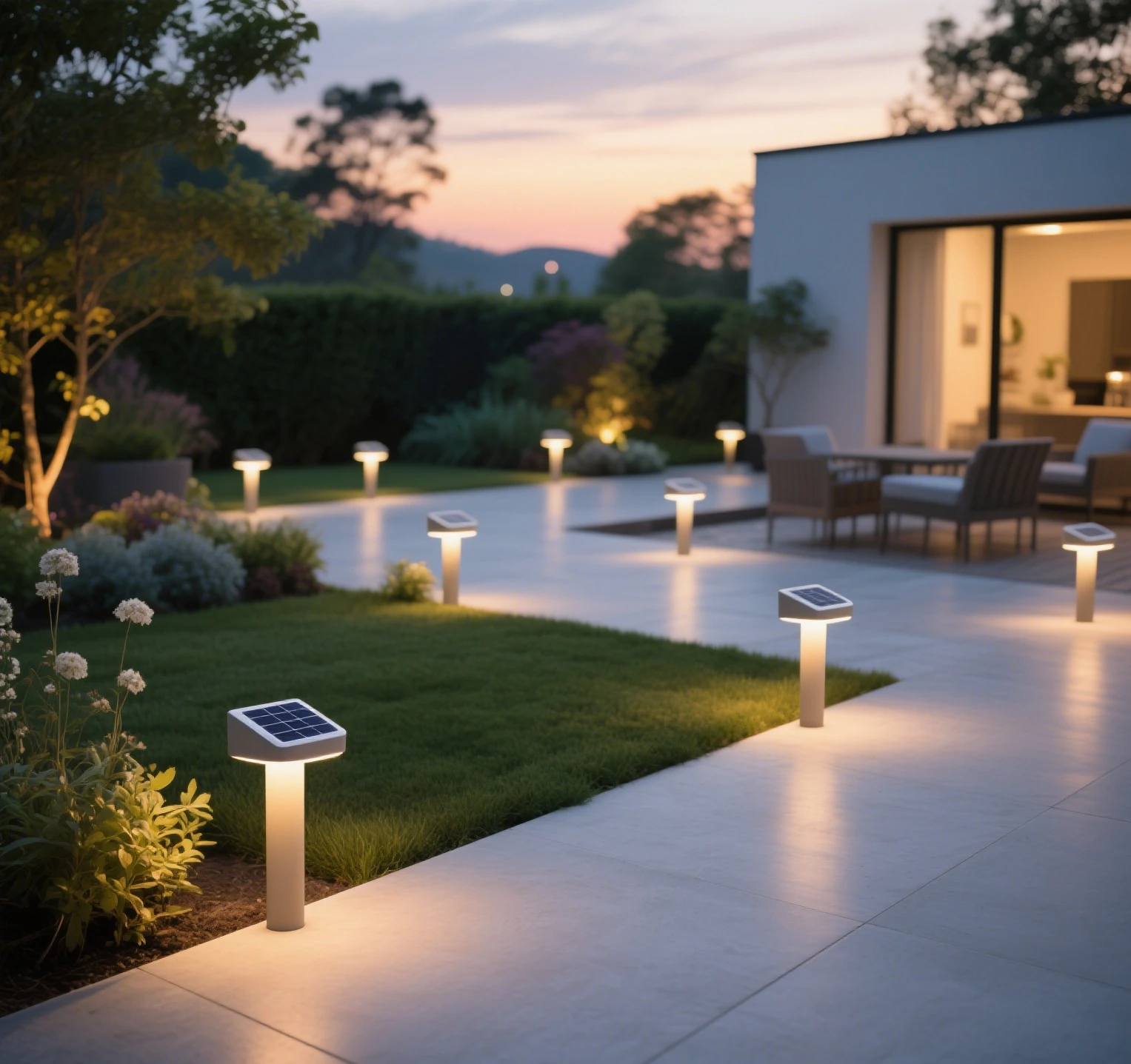
- Pathway lights: Feature modular solar panels for quick upgrades.
- Spotlights: Incorporate recycled aluminum housings for durability.
- Wall sconces: Made from regenerative plastics to cut raw material use.
- Lanterns: Designed with replaceable LED modules to extend life.
- Stake lights: Use compostable stakes for garden-friendly disposal.
- Hanging orbs: Lightweight designs reduce shipping emissions.
- Floodlights: Built with recyclable steel frames for longevity.
- Step lights: Minimalist designs lower material use without sacrificing function.
When these lights share sustainable design principles, they form a cohesive, waste-reducing network.
Recycling Systems: Closing the Loop
A true zero-waste goal means planning for what happens when a solar light reaches the end of its life. Robust recycling systems are key.
- Take-back programs: Retailers can offer trade-ins for old string lights or lanterns, ensuring proper recycling.
- Material recovery: Aluminum from fence lights and plastics from wall sconces can be reclaimed for new products.
- Consumer education: Clear instructions on packaging guide users to recycle batteries and components correctly.
These systems turn old lights into raw materials for the next generation, closing the sustainability loop.
Balancing Longevity and Eco-Design
Sustainable solar lights must last without compromising their green credentials. Durability and eco-friendliness don’t have to be at odds.
- Weather-resistant coatings: Biodegradable coatings on stake lights protect against rain while breaking down safely.
- High-efficiency panels: Solar panels on floodlights that maximize energy capture extend runtime without needing larger, resource-heavy batteries.
- Timeless aesthetics: Designing lanterns with classic shapes ensures they stay in use rather than being replaced for style.
This balance ensures lights are both long-lasting and kind to the planet.
Practical Steps for Manufacturers and Users
Creating sustainable solar lights is a shared responsibility. Here’s how both sides can contribute:
- For manufacturers:
- Prioritize recyclable or biodegradable materials in all designs.
- Standardize components across light types for easier repairs.
- Partner with recycling facilities to handle end-of-life products.
- For users:
- Choose lights with modular designs for easy maintenance.
- Recycle old lights through manufacturer or local programs.
- Opt for brands transparent about their sustainability practices.
These steps make sustainability practical and accessible for everyone.
Why Full Lifecycle Design Matters
Solar lights are already a step toward greener living, but their true potential lies in full lifecycle design. By using eco-friendly materials, enabling repairs, and building recycling systems, these lights can go from production to disposal with minimal environmental impact. Whether it’s a string light glowing at a summer party or a pathway light guiding you home, sustainable design ensures these moments don’t come at the planet’s expense. It’s about creating products that light up our lives while leaving a lighter footprint.
Leave a Reply