


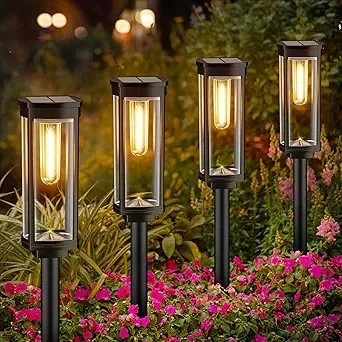
Solar motion sensor outdoor lights have become a staple for homeowners across the United States, from bustling suburbs in Texas to serene coastal properties in Maine. These energy-efficient lights combine solar power with motion-sensing technology to provide reliable, eco-friendly illumination for driveways, patios, and backyards without adding to your electricity bill. However, getting the most out of a solar motion sensor outdoor light requires understanding how it works, optimizing its settings, and maintaining it properly. In this guide, we’ll explore the core mechanics of motion sensors, tips for adjusting sensitivity, ways to avoid false triggers, the connection between sensors and battery life, maintenance best practices, ideal installation locations, and troubleshooting steps—all tailored for American users.

Core Working Principles of Motion Sensors
A solar motion sensor outdoor light relies on a passive infrared (PIR) sensor to detect movement. The PIR sensor picks up changes in infrared radiation (heat) emitted by moving objects, like a person walking or a car pulling into a driveway. When motion is detected, the sensor triggers the light to turn on, typically for a preset duration (e.g., 30 seconds to 5 minutes). The solar panel charges a built-in battery during the day, powering both the sensor and the LED light at night.
This technology is ideal for security and convenience. For example, a homeowner in Arizona might use these lights to illuminate a dark pathway, while someone in rural Montana might rely on them to deter wildlife. Understanding this basic mechanism helps you optimize and troubleshoot your solar motion sensor outdoor light effectively.
Adjusting Sensitivity and Detection Range
Fine-tuning the sensitivity and range of your solar motion sensor outdoor light ensures it responds accurately to motion without wasting energy.
- Sensitivity Settings: Most models, like those from Ring or Litom (popular in the U.S.), have adjustable sensitivity dials or settings. In a busy urban area like Chicago, lower sensitivity prevents lights from triggering due to passing cars or pedestrians. In contrast, higher sensitivity works well in quiet areas like Idaho, where you want to detect every movement.
- Detection Range: The range—often 10 to 30 feet—can usually be adjusted. For a small backyard in California, a shorter range (e.g., 15 feet) avoids triggering from neighboring properties. For larger properties in Texas, extend the range to cover more ground.
- Angle Adjustment: Tilt the sensor to focus on key areas, like a front porch or garage entrance. Test the settings at night to ensure the light activates when needed, such as when you approach your doorstep in Florida.
Experimenting with these settings helps tailor the light to your specific environment.
Common Causes of False Triggers and How to Avoid Them
False triggers—when your solar motion sensor outdoor light turns on without apparent reason—can drain the battery and annoy neighbors. Here’s what causes them and how to prevent them.
- Environmental Factors: Heat sources like air conditioning vents or reflective surfaces (e.g., windows in sunny Nevada) can trick the sensor. Reposition the light to avoid these.
- Animals and Vegetation: In rural areas like Oregon, small animals or swaying branches might trigger the light. Trim nearby foliage or adjust the sensor’s angle to focus on human-sized motion.
- Weather Interference: Heavy rain or snow, common in places like Minnesota, can confuse sensors. Ensure your light has a high IP rating (e.g., IP65) for weather resistance and clean the sensor lens after storms.
- Improper Calibration: Overly sensitive settings can cause false triggers. Dial down sensitivity in high-traffic areas like suburban New Jersey to reduce unnecessary activations.
Regularly check and adjust your setup to minimize these issues.
Connection Between Sensors and Solar Battery Life
The motion sensor and solar power system in a solar motion sensor outdoor light are closely linked. The sensor’s activity directly affects battery consumption, so optimizing this relationship is crucial.
- Energy Usage: Each time the sensor triggers the light, it draws power. Frequent triggers in busy areas like Atlanta can deplete the battery faster. Use energy-saving modes, like shorter light duration (e.g., 20 seconds), to conserve power.
- Solar Charging Efficiency: A clean, well-placed solar panel ensures the battery recharges fully. In cloudy regions like Washington, maximize panel exposure to sunlight and consider a larger-capacity battery for extended cloudy periods.
- Winter Challenges: In states like Michigan, shorter daylight hours reduce charging time. Opt for models with high-efficiency panels or store lights indoors during extreme cold to protect battery health.
Balancing sensor activity with solar charging keeps your lights reliable year-round.
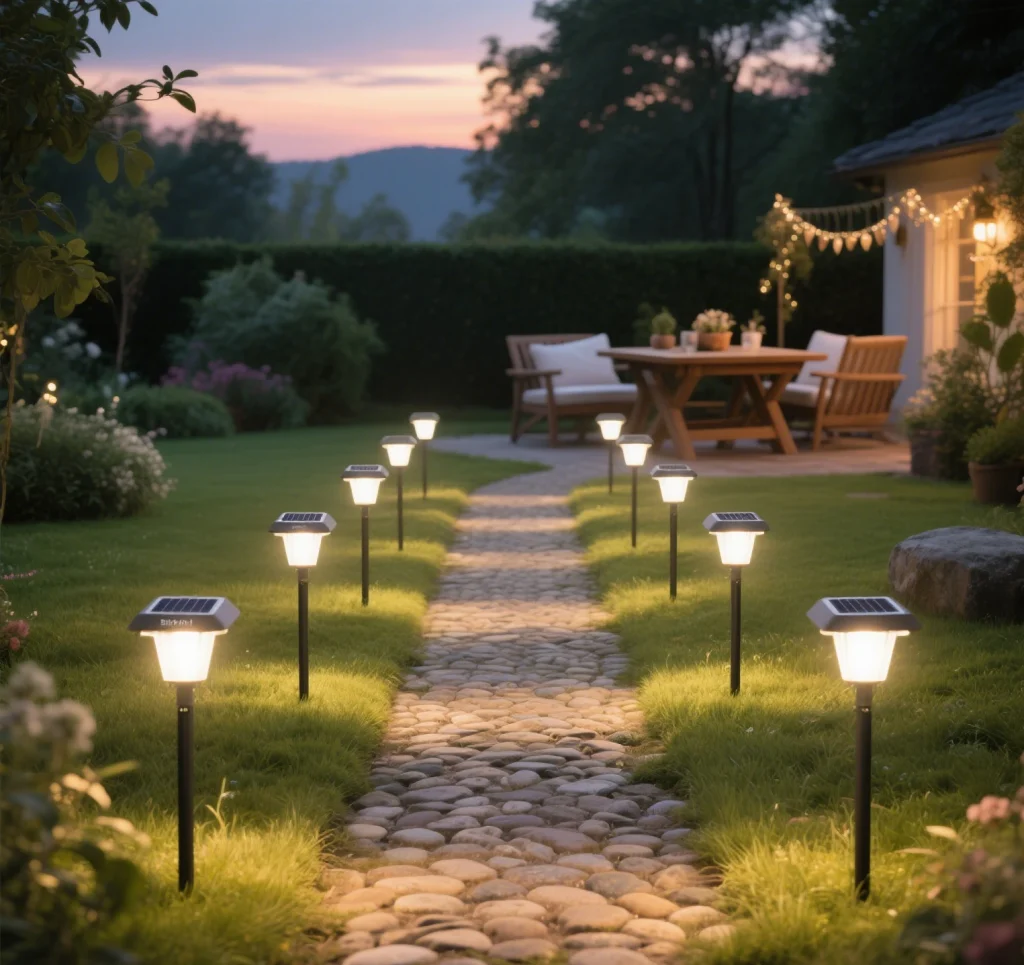
Cleaning and Maintenance Tips for Sensors
Proper maintenance of the motion sensor ensures consistent performance for your solar motion sensor outdoor light.
- Clean the Sensor Lens: Dust, pollen, or salt (common in coastal areas like California) can block the sensor. Wipe the lens monthly with a soft, damp cloth and mild soap. Avoid abrasive materials that could scratch the surface.
- Check for Obstructions: In leafy areas like North Carolina, ensure no debris or spider webs cover the sensor. A quick inspection after storms prevents blockages.
- Protect Against Corrosion: In humid climates like Louisiana, check for corrosion on connectors or battery terminals. Apply a thin layer of dielectric grease (available at hardware stores like Home Depot) to prevent rust.
- Battery Maintenance: Replace batteries every 1-2 years, especially in hot climates like Arizona, where heat accelerates wear. Follow the manufacturer’s guidelines for compatible batteries.
Routine care keeps the sensor sharp and the light functional.
Impact of Installation Location on Sensing Performance
Where you install your solar motion sensor outdoor light significantly affects its motion detection and overall performance.
- Height and Angle: Mount the light 6-10 feet high for optimal range. Too low, and pets or small objects trigger it; too high, and it may miss motion. In suburban Virginia, mounting on a garage wall works well for driveway coverage.
- Avoid Obstructions: Trees, fences, or walls can block the sensor’s view. In rural Colorado, place the light in an open area to detect motion across a wide yard.
- Solar Panel Placement: The panel needs direct sunlight, so avoid shaded spots under eaves or trees. In sunny Florida, a south-facing position maximizes charging, while in cloudy Maine, choose the least obstructed spot.
- Weather Considerations: In areas with heavy snow like Minnesota, mount the light under an overhang to protect the sensor from buildup, but ensure the panel remains exposed.
Strategic placement enhances both detection and solar efficiency.
Troubleshooting Common Sensor Failures
When your solar motion sensor outdoor light stops detecting motion or behaves erratically, follow these steps to diagnose and fix the issue.
- Check Power Supply: A dead battery or undercharged panel is often the culprit. Test the battery with a multimeter (available at Lowe’s) and ensure the panel is clean and unshaded. In cloudy Wisconsin, repositioning the panel might resolve the issue.
- Inspect the Sensor: Dirt or damage on the sensor lens can impair detection. Clean it gently or replace it if cracked (check with brands like Sunforce for parts).
- Test Wiring Connections: Loose or corroded wires between the panel, battery, and sensor can disrupt function. In coastal areas like South Carolina, clean or replace corroded connectors.
- Reset or Reconfigure: Some lights have a reset button or require power cycling. Refer to the manual (often online for brands like Aootek) for specific steps. If all else fails, contact the manufacturer’s support, common with U.S.-based brands.
Systematic troubleshooting restores your light’s functionality quickly.
Conclusion
Solar motion sensor outdoor lights are a smart, sustainable choice for illuminating and securing your outdoor spaces, from bustling city homes in New York to quiet rural retreats in Idaho. By understanding how motion sensors work, fine-tuning sensitivity, preventing false triggers, optimizing battery life, maintaining the sensor, choosing the right installation spot, and troubleshooting issues, you can ensure these lights perform reliably for years. With a little care, your solar motion sensor outdoor light will provide bright, efficient illumination, enhancing safety and ambiance in any American backyard or driveway.
Leave a Reply