


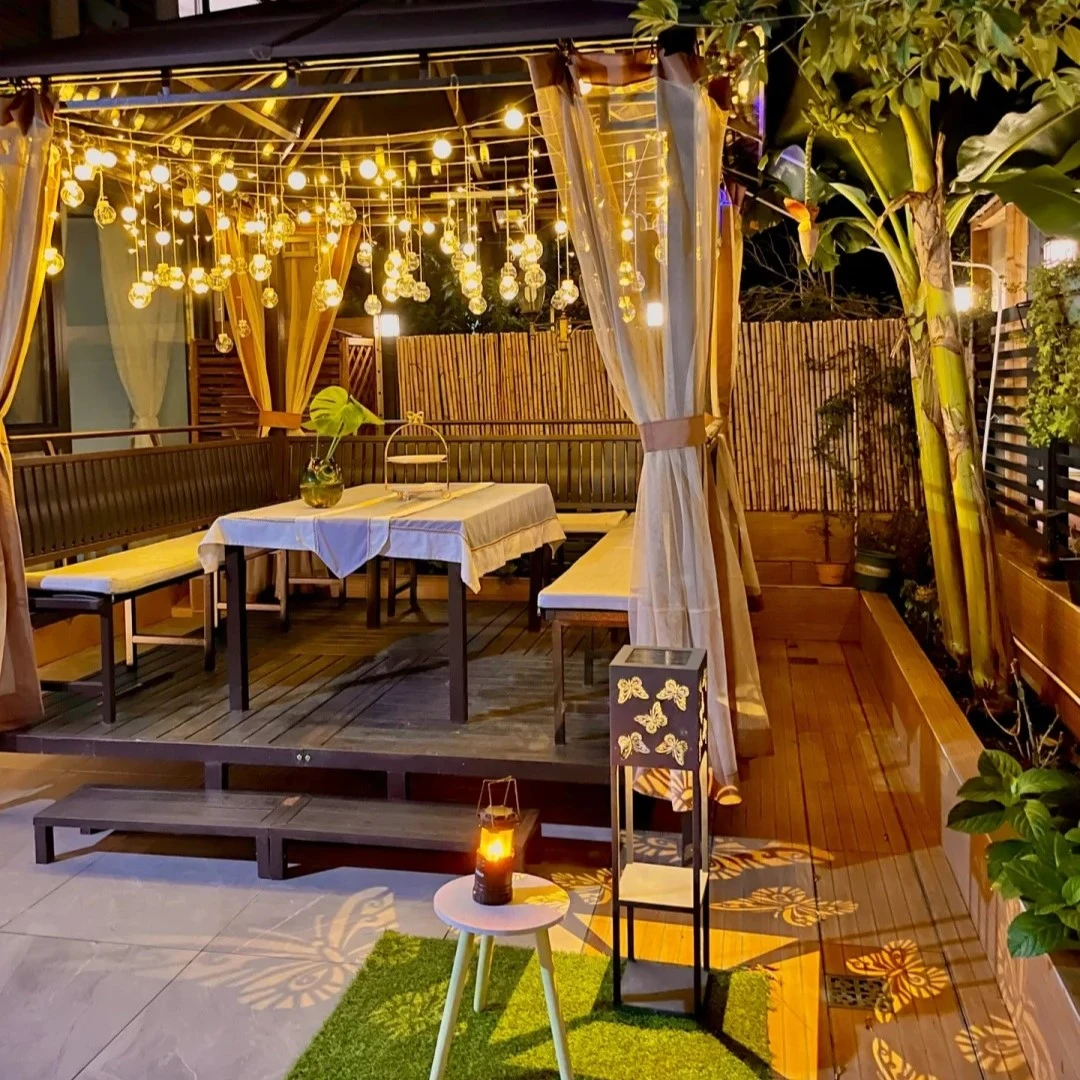
Picking outdoor lights for your yard can feel like a tug-of-war between solar-powered and traditional wired options. Solar lights spark worries about battery life, while wired ones bring up concerns about electric bills and tricky setups. To help American homeowners decide, we’re breaking it down across four key angles—cost, installation, environmental impact, and real-world use—using a 10-year perspective to show which option fits your needs.
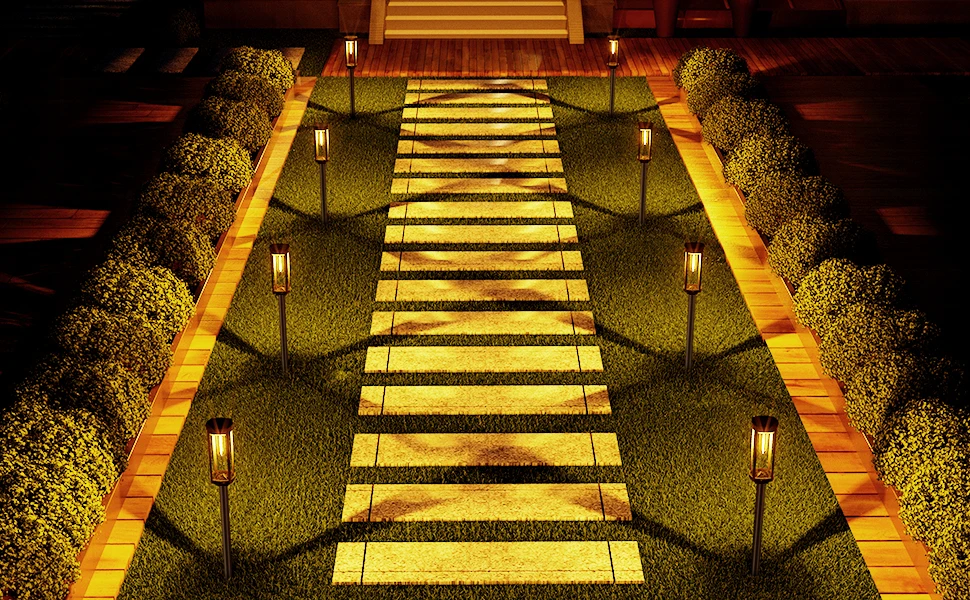
Cost, Installation, and Eco Impact: By the Numbers
When choosing between solar and traditional outdoor lights, hard numbers tell a clear story. Here’s how they stack up over a decade:
- Cost Breakdown
- Solar Lights: A 100-lumen solar yard light costs $0 in electricity over 10 years. No wiring means zero material costs for cables or conduits. Upfront, you might spend $20–$50 per light, but no ongoing fees.
- Traditional Wired Lights: At the U.S. average electric rate of $0.15 per kWh, a 100-lumen wired light (about 10W) running 6 hours daily racks up ~$86 in electricity over 10 years. Add $50–$100 for wiring materials per light.
- Installation Effort
- Solar: Installing a solar light takes about 0.5 hours per unit—no electrician needed. Just stake or mount it where it gets sun, and you’re done.
- Wired: Expect 1.5–2 hours per light, including digging for cables and connecting to power. In some areas, you’ll need a licensed electrician ($75–$150/hour) or a permit, bumping up costs.
- Environmental Impact
- Solar: One solar light cuts ~0.3 tons of carbon emissions over 10 years, aligning with the EPA’s “low-carbon home” guidelines. Photovoltaic panels use sunlight, not fossil fuels.
- Wired: Traditional lights produce over three times the carbon footprint, tied to grid electricity, which often relies on coal or gas in the U.S.
Solar lights save cash and the planet over time, while wired lights hit your wallet and carbon score harder.
Scenario Showdown: Where Each Shines
Your outdoor space and lifestyle dictate which light works best. Here’s how solar and traditional lights perform in common scenarios:
- Extreme Weather (e.g., Minnesota Winters)
- Solar: Pick cold-resistant solar lights rated for -30°C to handle harsh winters. Photovoltaic panels still charge in low light, though efficiency drops in heavy snow. A quick panel wipe keeps them going.
- Wired: These need extra insulation or heated cables to prevent freezing, adding $50–$100 per light in materials and labor. Power outages in storms can also leave you in the dark.
- Yard Redesigns or Mobile Setups
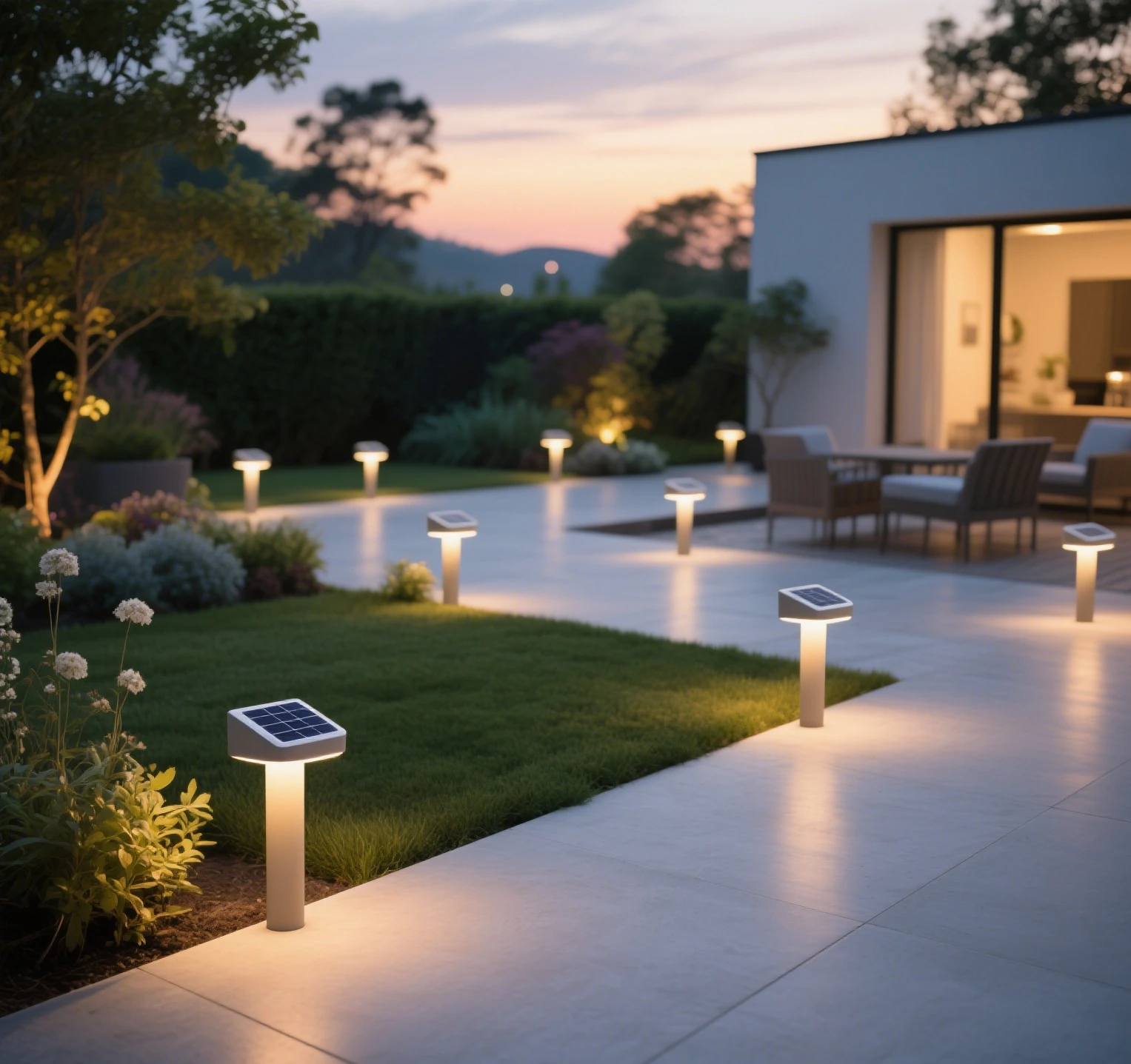
- Solar: Solar path lights are a breeze to move. Redoing your garden layout? Just pull them up and replant them wherever you want—no tools required.
- Wired: Relocating wired lights means digging up cables and re-wiring, costing $100+ in labor per move. It’s a hassle if you like to switch things up.
- Holiday or Temporary Decor
- Solar: Solar string lights are perfect for Christmas, Fourth of July, or backyard parties. No outlets needed, so you skip the risk of tripping breakers with overloaded extension cords.
- Wired: Traditional string lights need nearby outlets, and overloading circuits is common during festive seasons, leading to blown fuses or costly electrician visits.
Solar lights win for flexibility and seasonal use, while wired lights demand more planning and upkeep.
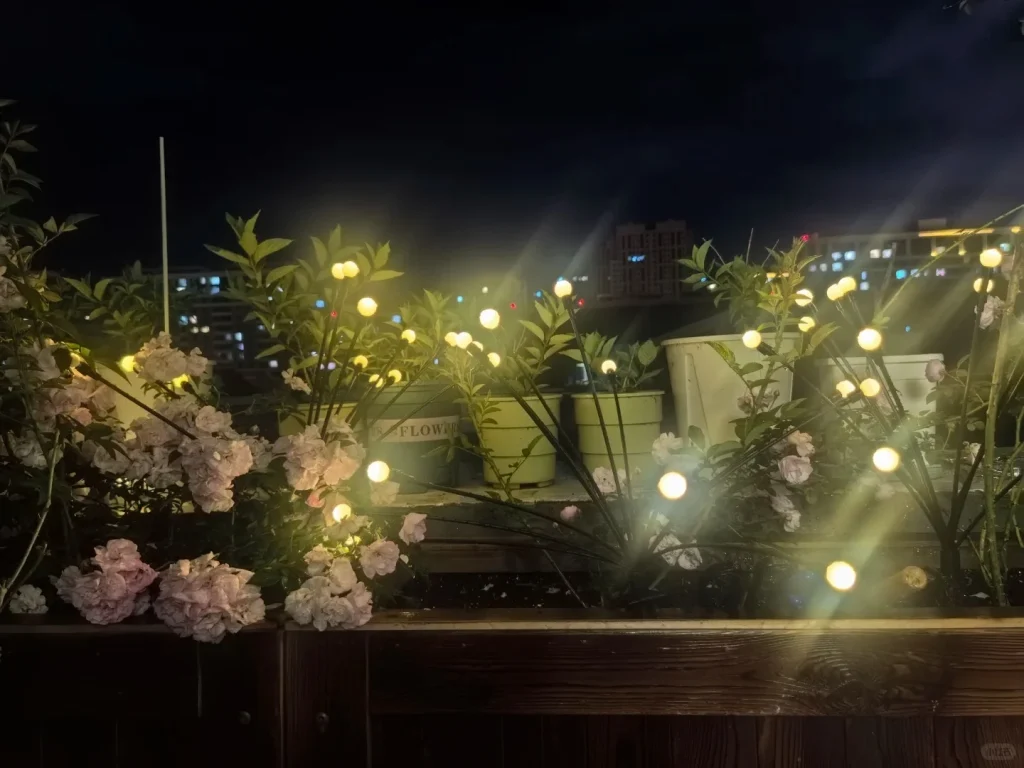
Tackling the Big Concerns
Both options have their quirks, but here’s how they address common worries:
- Battery Life (Solar): Most solar lights last 6–10 hours per night with 4–6 hours of sunlight. For longer needs, look for models with 2000+ mAh batteries or USB backup charging.
- Installation Hassles (Wired): Wired setups require trenching, conduit, and sometimes permits, making them pricier and less DIY-friendly than solar’s “stick-and-go” approach.
- Eco Footprint: Solar lights lean on renewable energy, cutting emissions. Wired lights, tied to the grid, contribute to higher carbon output, especially in coal-heavy regions.
Testing your lights—solar or wired—over a few nights helps confirm they meet your needs before committing to a full setup.
Tips for Choosing and Using Your Lights
To make either option work for your yard, keep these practical pointers in mind:
- Check Sun Exposure (Solar): Place photovoltaic panels where they get 6+ hours of direct sun. Avoid shady spots under trees or eaves to ensure full charges.
- Plan Wiring Routes (Wired): Map out cable paths before installing wired lights to avoid future digging. Use weatherproof conduits to protect against rain or frost.
- Match Brightness to Purpose: For paths, 100–200 lumens is enough. For security or large areas, go for 500+ lumens, whether solar or wired.
- Maintain Regularly: Clean solar panels monthly to clear dust or snow. For wired lights, check connections yearly to prevent corrosion or shorts.
A little prep ensures your lights—solar or wired—perform reliably for years.
Wrapping It Up: Solar Shines for Most Homes
After crunching the numbers and comparing real-world uses, solar outdoor lights come out ahead for most American households. They slash electricity costs to zero, install in a snap, and cut carbon emissions by a third compared to wired lights. They’re also a dream for flexible setups like holiday decor or yard redesigns. Traditional wired lights still have a place if you need 24/7 illumination or live in an area with minimal sunlight, but they come with higher costs and installation headaches. By weighing your yard’s needs—budget, flexibility, and eco-goals—you can pick the perfect lighting to brighten your home without breaking the bank or the planet.
Leave a Reply