


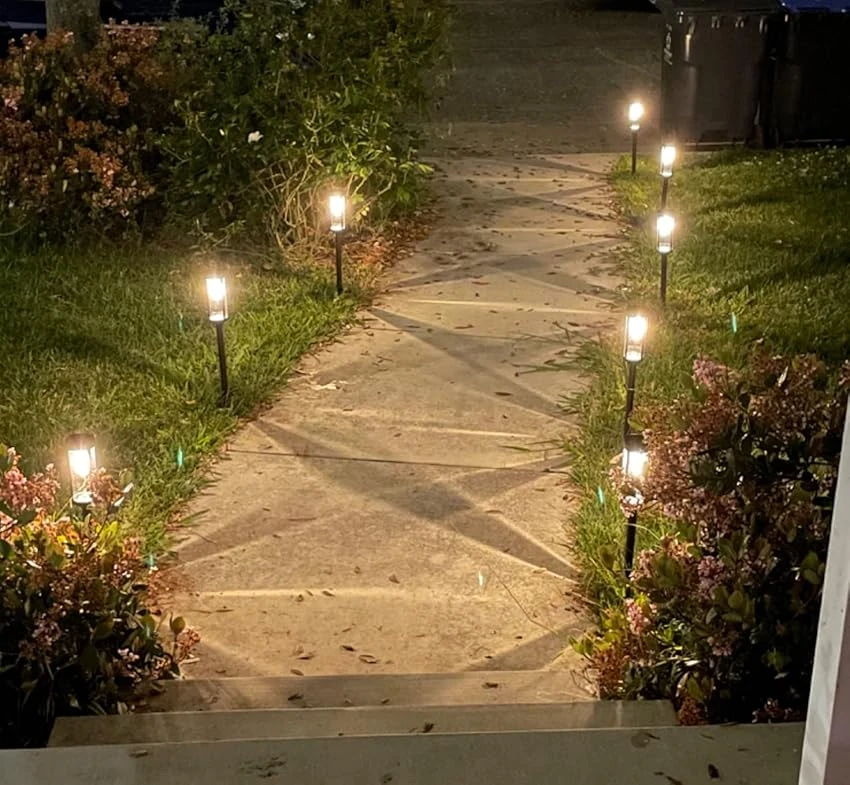
Solar outdoor path lights are a versatile, eco-friendly solution for illuminating walkways, gardens, and unique landscape features. They enhance safety, elevate aesthetics, and reduce energy costs by harnessing solar power. This guide explores how to select the perfect solar outdoor path lights based on specific scenarios, height recommendations, and key factors influencing their performance. Whether lighting a main pathway or accentuating a garden, understanding the right height and placement ensures optimal functionality and ambiance.
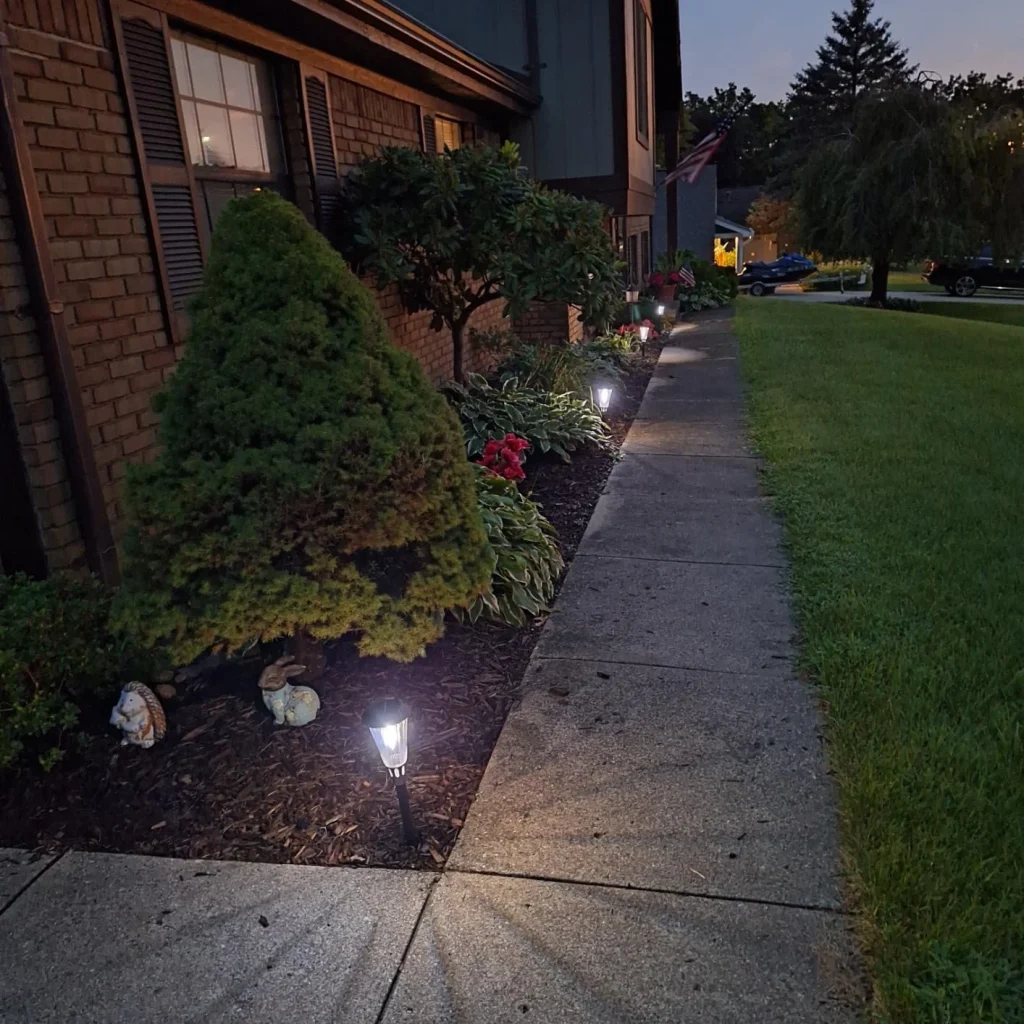
Scene-Based Classification of Solar Outdoor Path Lights
Selecting the right solar outdoor path lights begins with identifying the primary function they will serve. Different outdoor spaces demand tailored lighting solutions, which can be categorized into three core scenarios: passage-driven, landscape-enhanced, and specialty areas. Each scenario has unique requirements for light placement, height, and intensity to balance safety, visibility, and aesthetic appeal.
Passage-Driven Scenarios: Lighting Main Pathways and Sidewalks
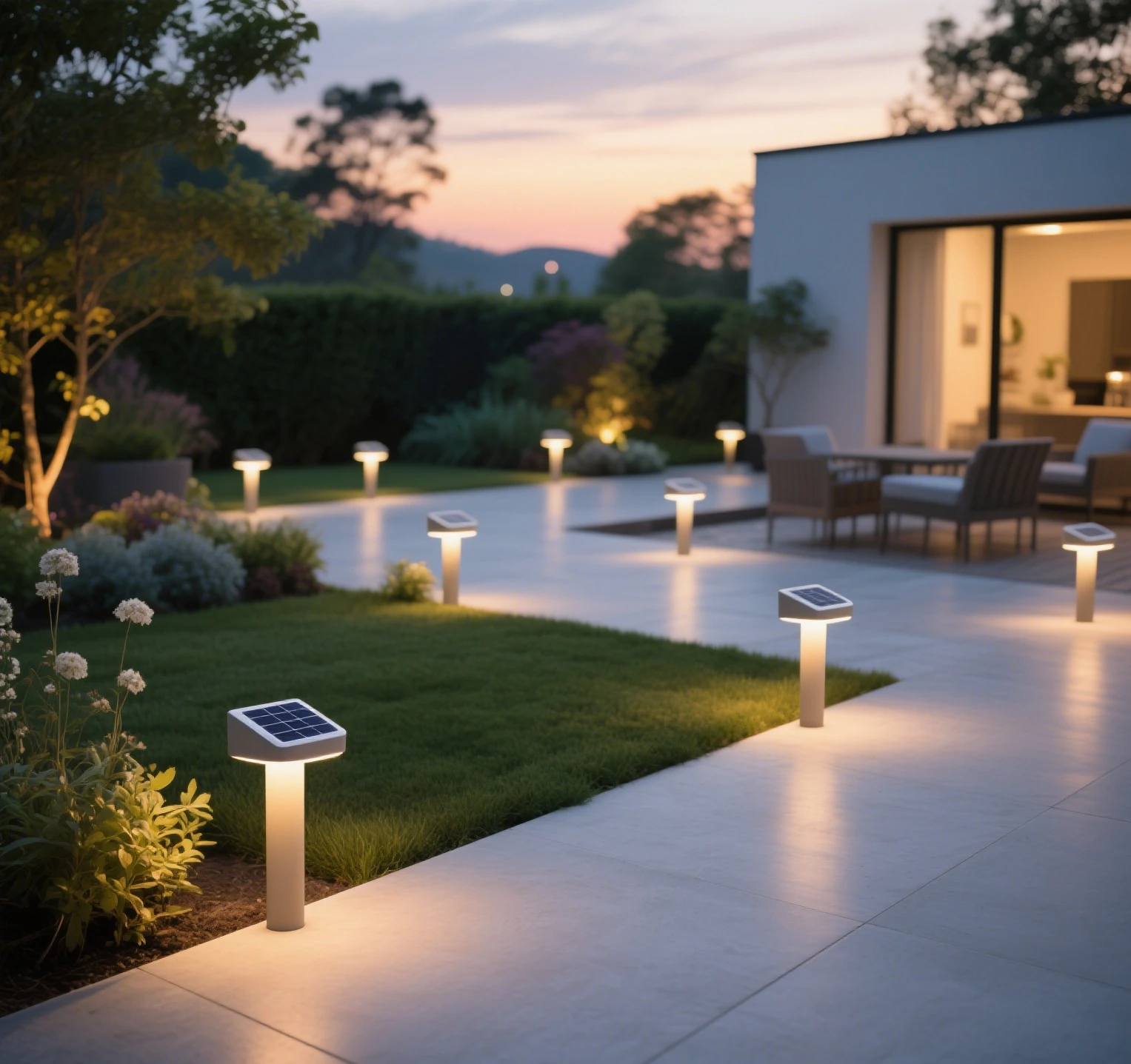
For primary pathways or sidewalks, solar outdoor path lights prioritize safety and visibility. These areas, such as the main route to a front door or a walkway connecting a driveway to a backyard, see heavy foot traffic and require consistent, reliable illumination.
Optimal Height Range: 1.2-1.5 meters (4-5 feet)
Lights in this height range provide broad illumination, typically covering a radius of 2-3 meters per light, depending on the lumen output and beam angle. This height ensures the light spreads evenly across the path, minimizing dark spots. For example, a homeowner in a suburban neighborhood like those in Charlotte, North Carolina, might install 1.3-meter-tall solar lights along a curved driveway to guide guests safely at night. Spacing lights 2-3 meters apart maintains continuous coverage without over-illumination, preserving a welcoming yet practical atmosphere.
Illumination Logic
The goal is to create a clear, well-lit path without glare. Solar outdoor path lights with adjustable or wide-angle beams (120-180 degrees) work best, as they distribute light evenly. Consider models with motion sensors for added energy efficiency, activating brighter light only when someone approaches, which is ideal for long pathways.
Landscape-Enhanced Scenarios: Accentuating Gardens and Greenery
In garden paths or areas surrounding shrubs, flowers, or ornamental plants, solar outdoor path lights serve a dual purpose: subtle illumination and aesthetic enhancement. These lights highlight natural features while ensuring safe navigation through less-trafficked areas.
Optimal Height Range: 0.8-1.2 meters (2.6-4 feet)
Lower heights are ideal here to blend seamlessly with the landscape. For instance, in a backyard garden in Seattle’s temperate climate, 0.9-meter lights placed along a winding stone path can softly illuminate low-lying plants like lavender or hostas. This height keeps the light focused downward, creating a cozy ambiance without overwhelming the natural beauty of the surroundings.
Ambiance Adaptation Principles
The key is to balance illumination with mood. Warm-toned LEDs (2700-3000K) complement greenery, mimicking natural moonlight. Solar outdoor path lights with frosted lenses or diffusers reduce harshness, casting a gentle glow that enhances plant textures. For example, placing lights at 1-meter intervals along a garden path ensures even lighting while avoiding a cluttered look. Consider low-lumen models (50-100 lumens) to prioritize ambiance over intense brightness.
Specialty Area Scenarios: Addressing Stairs, Slopes, and Junctions
Specialty areas like stairs, slopes, corners, or forked paths demand precise lighting to ensure safety. These zones often have uneven terrain or require clear directional cues, making the right height and placement critical.
Optimal Height for Stairs and Slopes: 0.6-0.9 meters (2-3 feet)
Low-profile solar outdoor path lights are ideal for illuminating steps or sloped areas. For example, a homeowner in a hilly area like Asheville might install 0.7-meter lights along outdoor stairs leading to a deck. This height keeps the light close to the ground, clearly defining each step to prevent trips. Lights with narrow beam angles (60-90 degrees) focus illumination on specific areas, reducing wasted light.
Optimal Height for Corners and Junctions: 1.0-1.3 meters (3.3-4.3 feet)
At path intersections or sharp turns, slightly taller lights provide better visibility. For instance, in a sprawling backyard in Austin, 1.2-meter lights at a path fork can guide guests toward a patio or garden feature. These heights allow lights to project over a wider area, ensuring clear directional cues. Motion-activated or high-lumen (150-200 lumens) models are particularly effective in these high-traffic transition zones.
Safety-Oriented Design
In specialty areas, prioritize durability and weather resistance (IP65 or higher) to withstand uneven terrain or exposure. Solar outdoor path lights with sturdy stakes or weighted bases ensure stability on slopes or loose soil.
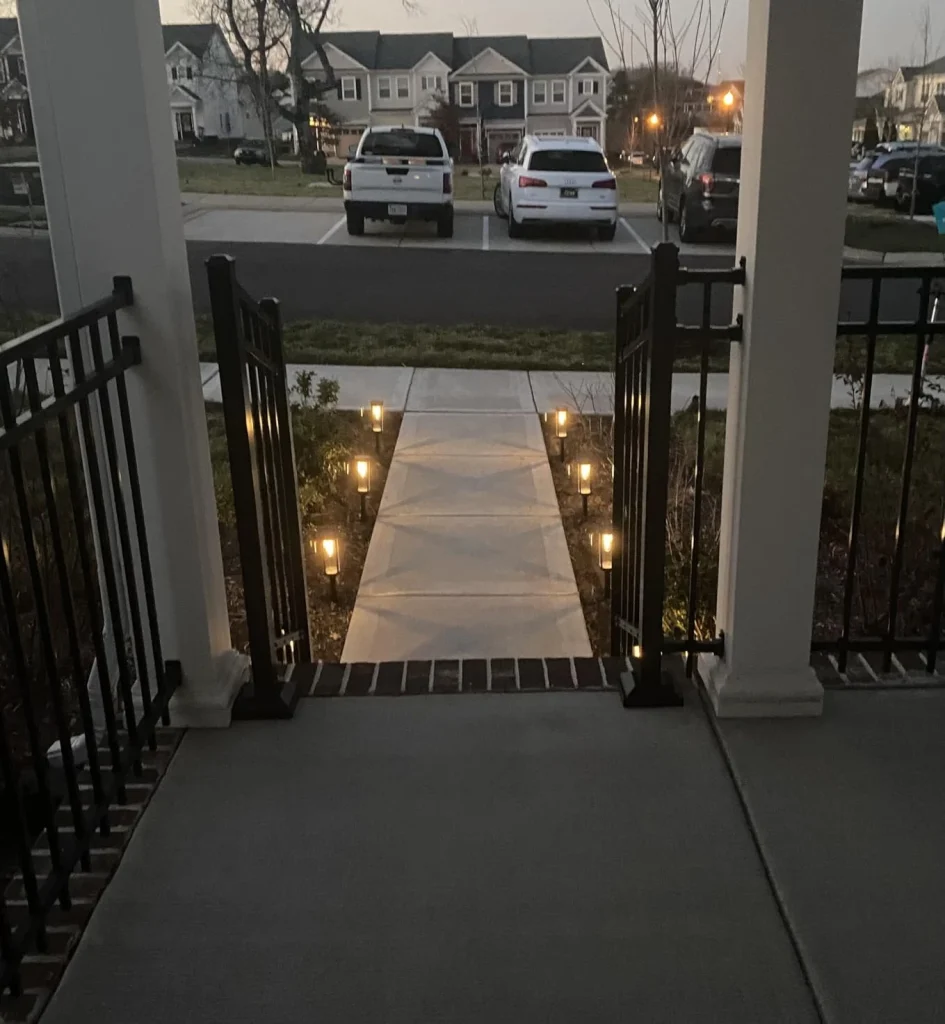
Factors Influencing Height and Placement Adjustments
Choosing the right height for solar outdoor path lights involves more than just the scenario. Several factors influence fine-tuning decisions to optimize performance.
Light Beam Angle
The beam angle of a solar outdoor path light significantly affects its coverage. Wide-angle beams (120-180 degrees) suit main pathways, as they spread light broadly, reducing the number of lights needed. Narrow beams (60-90 degrees) are better for stairs or focal points, concentrating light where it’s most needed. For example, a 1.5-meter light with a 180-degree beam might illuminate a 3-meter radius, while a 0.8-meter light with a 90-degree beam covers a smaller, targeted area. Adjust height slightly lower for wider beams to avoid glare, and higher for narrower beams to maximize reach.
Obstructions and Placement Considerations
Nearby obstacles like shrubs, fences, or structures can block light, requiring height adjustments. For instance, a 1.2-meter light placed near tall hedges in a Denver garden might need to be raised to 1.4 meters to clear the foliage. Conversely, in open areas like a Phoenix backyard, lower heights (0.8 meters) may suffice for garden paths without obstructions. Always position lights at least 0.5 meters from path edges to avoid tripping hazards while ensuring the solar panel receives adequate sunlight (6-8 hours daily).
Environmental Factors
Weather and seasonal changes impact solar outdoor path lights’ performance. In regions with heavy cloud cover, like Portland, opt for high-efficiency solar panels or models with larger battery capacities to maintain consistent lighting. In snowy climates, such as Minneapolis, raise lights slightly (e.g., 1.3 meters for pathways) to prevent snow accumulation on panels. Reflective or light-colored surfaces (e.g., concrete paths) amplify light spread, allowing slightly lower heights, while darker surfaces (e.g., mulch) may require taller lights or higher lumens.
Core Logic: Balancing Height, Efficiency, Safety, and Ambiance
The ultimate goal when selecting solar outdoor path lights is to strike a balance between illumination efficiency, safety, and the desired aesthetic. Here’s how these elements come together:
- ** Efficiency**: Higher-efficiency solar panels and LEDs maximize runtime, especially in low-sunlight areas. For example, a 1.4-meter light with a monocrystalline solar panel performs better in cloudy regions than a lower-efficiency model. Spacing lights appropriately (2-3 meters for pathways, 1-2 meters for gardens) optimizes coverage while conserving energy.
- Safety: Taller lights (1.2-1.5 meters) ensure broader coverage for high-traffic paths, reducing trip risks. In specialty areas like stairs, lower heights (0.6-0.9 meters) provide focused illumination. Motion sensors or dusk-to-dawn features enhance safety by adapting to user needs.
- Ambiance: Lower heights (0.8-1.2 meters) and warm-toned lights create inviting garden settings. Adjustable brightness or color temperature settings allow customization for different moods, such as brighter lights for evening gatherings or softer glows for quiet nights.
Practical Example
Consider a homeowner in Raleigh designing a backyard with a main walkway, a garden path, and a set of outdoor stairs. For the walkway, they install 1.4-meter solar outdoor path lights spaced 2.5 meters apart, using 150-lumen models with 120-degree beams for clear visibility. Along the garden path, 0.9-meter lights with warm 80-lumen LEDs highlight flowerbeds, spaced 1.5 meters apart for a cozy effect. For the stairs, 0.7-meter lights with 90-degree beams ensure each step is visible. By factoring in beam angles, avoiding tree shadows, and choosing weather-resistant models, the homeowner achieves a safe, beautiful, and energy-efficient setup.
Conclusion
Solar outdoor path lights transform outdoor spaces by combining functionality, safety, and style. By categorizing needs into passage-driven, landscape-enhanced, and specialty scenarios, you can select the ideal height—1.2-1.5 meters for main paths, 0.8-1.2 meters for gardens, and 0.6-1.3 meters for stairs or junctions. Consider beam angles, obstructions, and environmental factors to fine-tune placement. With the right balance of efficiency, safety, and ambiance, solar outdoor path lights create inviting, well-lit spaces that enhance any property’s appeal.
Leave a Reply