


Solar panels are at the heart of renewable energy, converting sunlight into electricity to power homes, businesses, and innovative devices like solar lights. A common question among enthusiasts and professionals alike is: what wavelength of light do solar panels use? Understanding the specific wavelengths that solar panels rely on is key to optimizing their performance, especially for applications like solar lighting technology. This article explores the science behind how photovoltaic cells interact with light, the wavelengths they utilize, and practical considerations for maximizing efficiency in various conditions.

The Science of Light and Solar Panels
To grasp what wavelengths solar panels use, we must first understand light itself. Sunlight is composed of electromagnetic radiation, spanning a spectrum of wavelengths measured in nanometers (nm). The visible spectrum, which humans perceive as light, ranges from approximately 400 nm (violet) to 700 nm (red). Beyond this, ultraviolet (UV) light lies below 400 nm, and infrared (IR) light extends above 700 nm. Solar panels, specifically photovoltaic cells, are designed to capture certain wavelengths within this spectrum to generate electricity.
Photovoltaic cells, typically made from silicon, work by absorbing photons—particles of light—that excite electrons, creating an electric current. The efficiency of this process depends on the wavelength of light absorbed, as different wavelengths carry varying amounts of energy. Not all wavelengths are equally effective, and the material properties of the solar panel dictate which ones are most useful.
Optimal Wavelengths for Solar Panels
Silicon solar panels, the most common type used in solar lights and large-scale solar installations, are optimized to absorb light primarily in the visible light spectrum (400–700 nm) and parts of the near-infrared spectrum (700–1100 nm). Here’s a breakdown of how different wavelengths contribute:
- Visible Light (400–700 nm): This range is critical for solar panel efficiency. Blue light (400–500 nm) and red light (600–700 nm) are highly effective because their photon energy aligns well with the bandgap of silicon, typically around 1.1 electron volts (eV). This allows silicon to efficiently convert these photons into electricity.
- Near-Infrared Light (700–1100 nm): Silicon panels can also utilize near-infrared wavelengths, though efficiency decreases as wavelengths approach 1100 nm, where silicon’s ability to absorb photons diminishes. This makes near-infrared light valuable for boosting overall energy capture, especially in low-light conditions.
- Ultraviolet Light (<400 nm): UV light carries high energy but is less effectively absorbed by silicon due to its shorter wavelengths. Some advanced photovoltaic cells, like those using gallium arsenide, can capture UV light, but these are less common in standard solar lights.
- Far-Infrared Light (>1100 nm): Wavelengths beyond 1100 nm are generally too low in energy to excite electrons in silicon, making them ineffective for most solar panels.
Studies, such as those from the National Renewable Energy Laboratory, indicate that silicon-based solar panels achieve peak efficiency in the 500–700 nm range, with green light (around 550 nm) often being the most efficiently converted due to its balance of energy and penetration depth.
Factors Influencing Wavelength Absorption
Several factors affect how solar panels interact with different wavelengths of light:
1. Material Composition
Most solar panels use crystalline silicon (monocrystalline or polycrystalline), which has a bandgap optimized for visible light wavelengths. Emerging technologies, such as perovskite or thin-film solar cells, can be tuned to absorb a broader range, including more ultraviolet light or near-infrared light, but these are less common in consumer solar lights.
2. Panel Design
The design of photovoltaic cells, including anti-reflective coatings and surface texturing, enhances the capture of specific wavelengths. For example, coatings can reduce reflection losses for visible light, improving overall efficiency. Multi-junction solar cells, used in specialized applications, layer materials to capture a wider range of wavelengths, but these are costly and rare in solar lighting technology.
3. Environmental Conditions
Cloud cover, shade, and atmospheric scattering can alter the spectrum of light reaching the solar panel. On cloudy days, visible light wavelengths are diffused but still usable, while near-infrared light may be less affected by scattering, contributing to energy capture in low-light solar performance.
4. Angle of Incidence
The angle at which sunlight strikes the solar panel affects absorption efficiency. Optimal angles maximize exposure to visible light wavelengths, while suboptimal angles may reduce the capture of effective wavelengths, particularly in fixed installations.
Applications in Solar Lighting
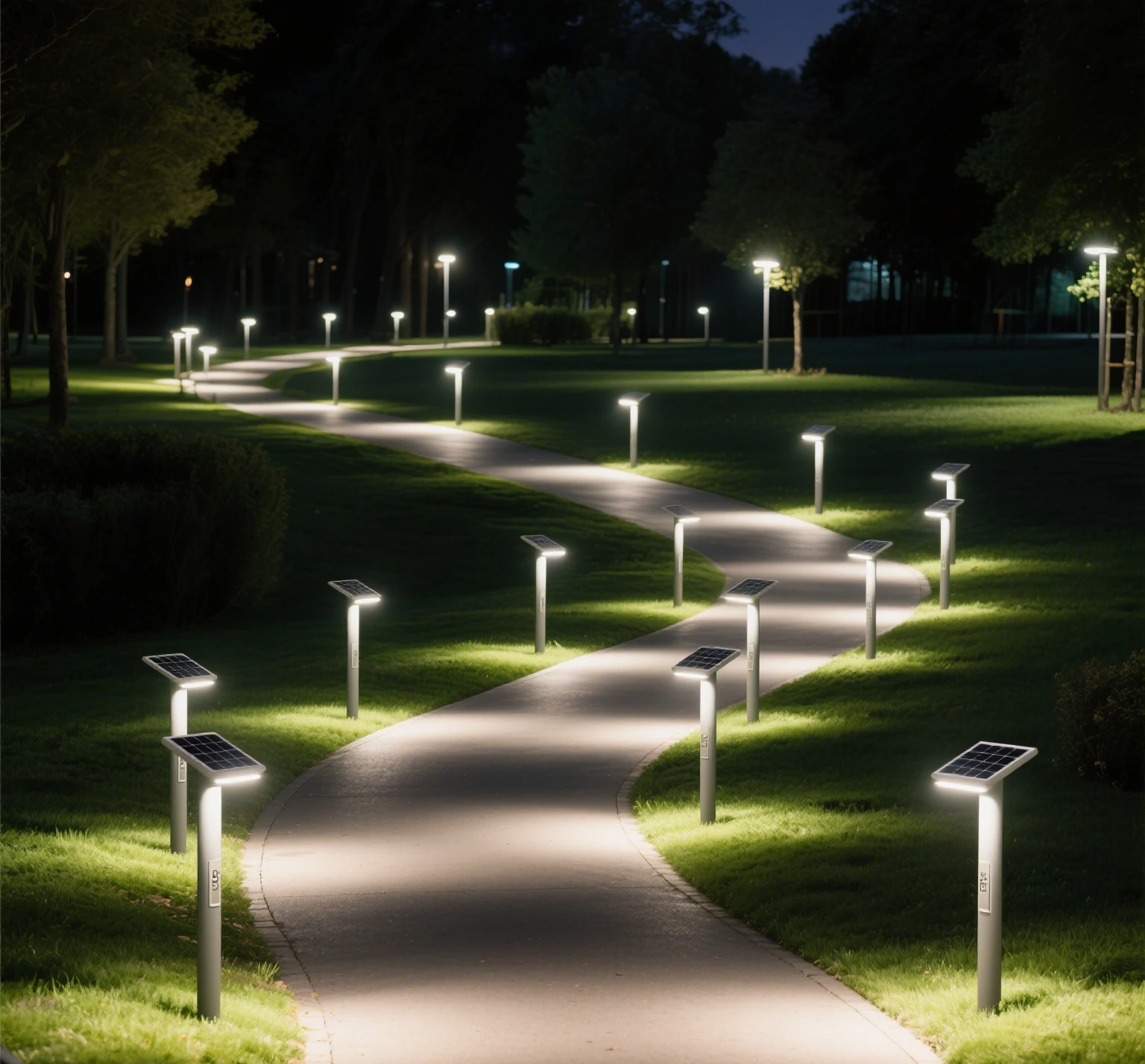
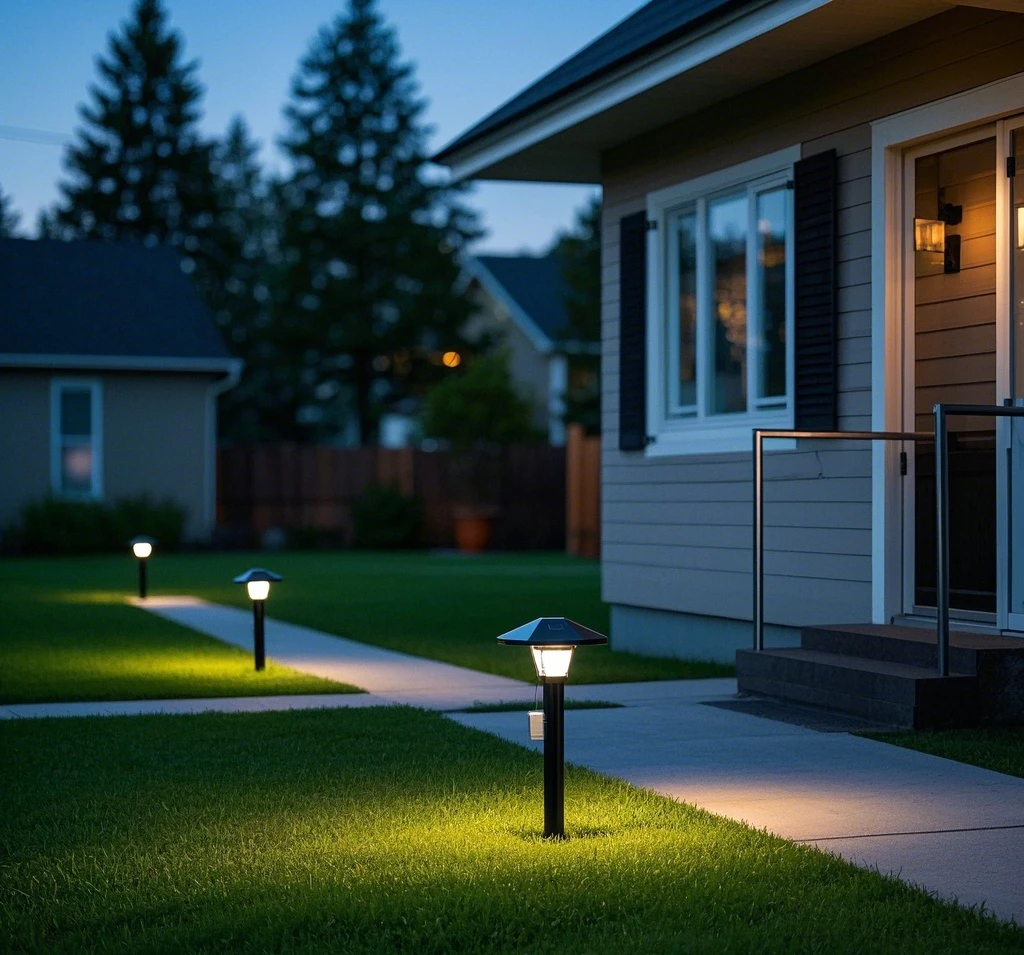
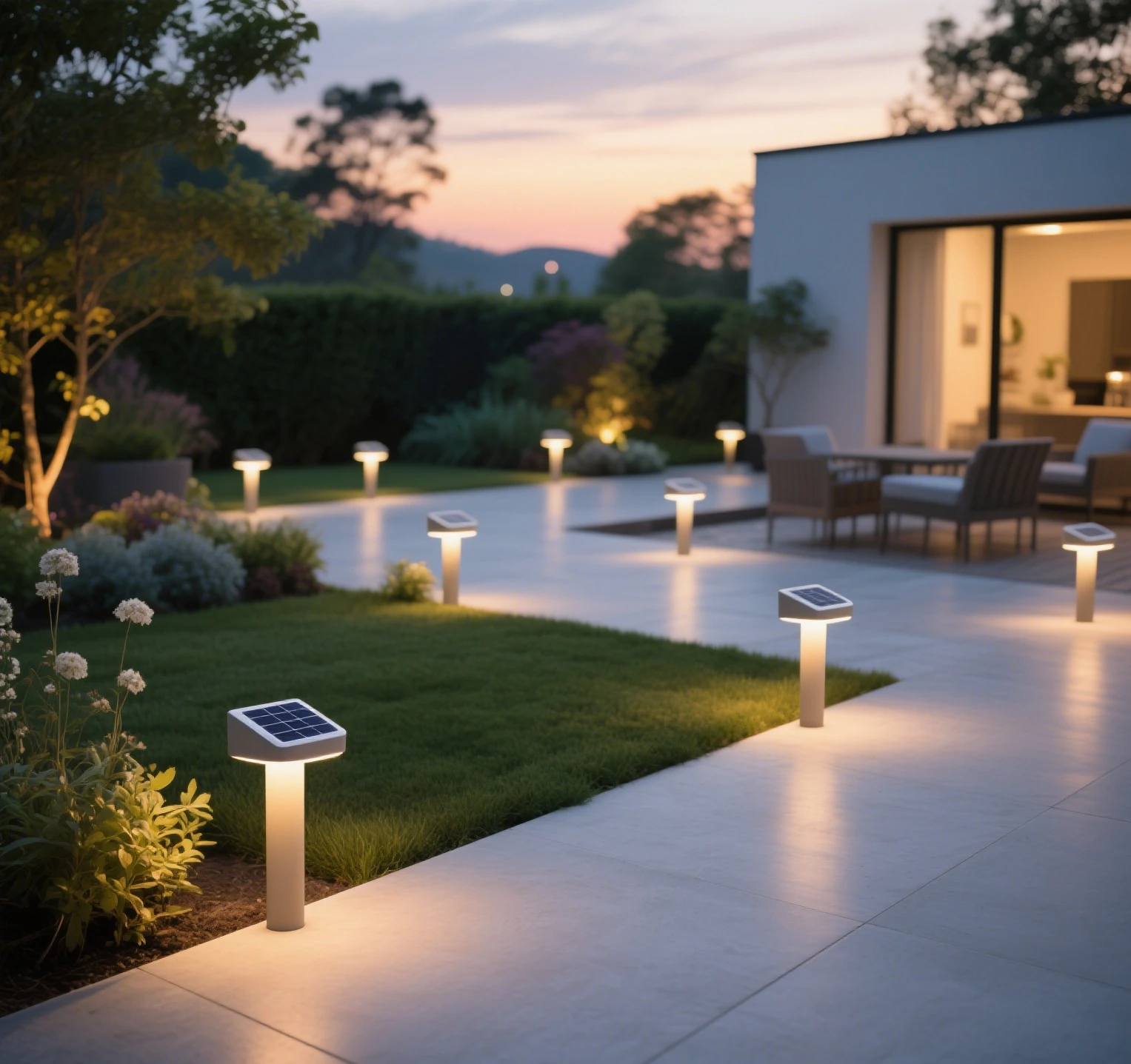
For solar lights, understanding wavelength utilization is crucial for performance in diverse environments. Solar garden lights, for instance, rely on small photovoltaic cells to charge rechargeable batteries during the day. These cells are designed to maximize absorption in the visible light spectrum, ensuring adequate charging even under tree canopies or in partially shaded areas. High-quality solar lights, such as those from True Lumens, use monocrystalline silicon panels to capture visible light wavelengths efficiently, providing reliable illumination.
In solar street lighting, panels are often larger and positioned to receive direct sunlight, optimizing the use of near-infrared wavelengths to supplement charging during early morning or late afternoon. Some advanced solar lights incorporate spectral filters or hybrid designs to enhance low-light solar performance, ensuring functionality in regions with frequent cloud cover.
Innovations in Wavelength Utilization
Recent advancements are expanding how solar panels harness light wavelengths:
- Perovskite Solar Cells: These cells can be engineered to absorb a broader range of wavelengths of light, including ultraviolet light and near-infrared light, offering potential for higher efficiency in future solar lights. Research from institutions like MIT highlights their promise for low-cost, high-efficiency applications.
- Bifacial Solar Panels: These panels capture light on both sides, increasing the absorption of visible light wavelengths and scattered near-infrared light. They’re particularly effective in reflective environments, such as snowy or sandy areas, and are being tested in solar street lighting.
- Spectral Converters: Some experimental solar panels use luminescent materials to convert less usable wavelengths (e.g., UV or far-infrared) into visible light wavelengths that silicon can absorb. This technology could enhance solar panel efficiency in low-light conditions.
- Adaptive Solar Lights: Brands like Shade Solar are developing solar lights with sensors that adjust charging based on available wavelengths of light, optimizing energy capture in dynamic lighting conditions.
Practical Tips for Maximizing Wavelength Efficiency
To ensure solar panels make the most of available wavelengths of light, consider these strategies:
- Choose High-Efficiency Panels: Opt for solar lights with monocrystalline silicon panels, which excel at capturing visible light wavelengths and offer better low-light solar performance.
- Optimize Placement: Position solar panels to receive maximum sunlight, avoiding deep shade that filters out visible light. Tilt panels to capture optimal wavelengths of light based on your latitude and season.
- Clean Panels Regularly: Dust, dirt, or snow can block visible light wavelengths, reducing efficiency. Regular cleaning ensures maximum light absorption.
- Use Reflective Surfaces: In partially shaded areas, place reflective materials near solar panels to redirect visible light and near-infrared light, boosting charging efficiency.
- Select Advanced Technologies: For critical applications like solar street lighting, consider bifacial panels or solar lights with spectral optimization to capture a wider range of wavelengths of light.
Environmental and Economic Impacts
Using solar panels optimized for specific wavelengths of light enhances the sustainability of solar lighting technology. By harnessing sunlight efficiently, these systems reduce reliance on fossil fuels, lowering carbon emissions and energy costs. Solar lights are particularly cost-effective for outdoor applications, requiring no wiring and minimal maintenance. High-efficiency panels that capture visible light wavelengths and near-infrared light ensure reliable performance, making them ideal for both residential and commercial settings.
Real-World Examples
In practice, solar lights leveraging optimal wavelengths of light have transformed outdoor spaces. A community park in California used solar garden lights with monocrystalline panels to illuminate pathways, achieving consistent performance despite partial shading from trees. Similarly, a rural area in India adopted solar street lighting with bifacial panels, capturing reflected near-infrared light to maintain illumination during monsoon seasons. These examples highlight the importance of wavelength-specific design in real-world applications.
Conclusion
So, what wavelength of light do solar panels use? Primarily, silicon solar panels rely on the visible light spectrum (400–700 nm) and parts of the near-infrared spectrum (700–1100 nm), with peak efficiency in the green-to-red range. By understanding these wavelengths and factors like material composition, panel design, and environmental conditions, users can optimize solar panel efficiency for applications like solar lights. Innovations such as perovskite cells and bifacial panels are expanding the potential of solar lighting technology, making it more versatile and effective. Whether for solar garden lights or solar street lighting, choosing high-quality panels and strategic placement ensures maximum use of available wavelengths of light, delivering sustainable, cost-effective illumination.

Leave a Reply