


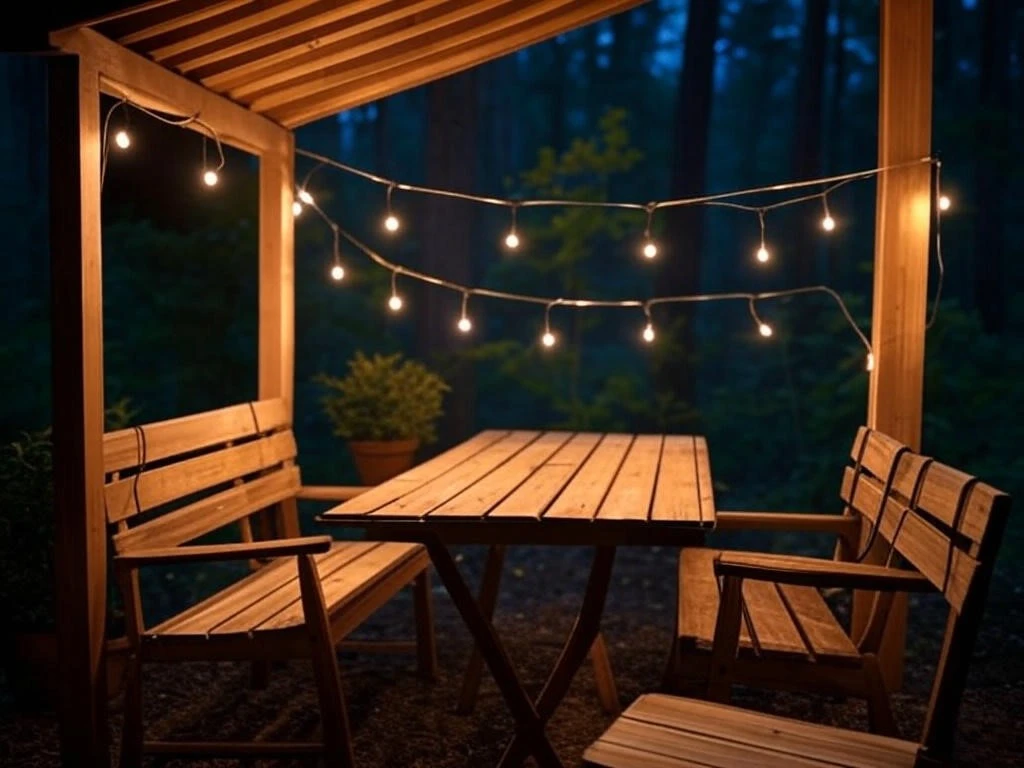
String solar lights are a charming and eco-friendly way to illuminate gardens, patios, and outdoor spaces. Their ability to harness solar energy makes them a popular choice for sustainable outdoor lighting. However, a common frustration among users is discovering that only half of their solar string lights are working. This article explores the reasons behind this issue, offers troubleshooting steps, and provides practical tips to restore your solar-powered string lights to full functionality, drawing on insights from solar technology and real-world applications.
Understanding How String Solar Lights Work
To diagnose why only half of your string solar lights are malfunctioning, it’s helpful to understand their components and operation. Solar-powered string lights typically consist of:
- Solar panel: Converts sunlight into electricity via the photovoltaic effect.
- Rechargeable battery: Stores energy to power the LEDs at night.
- LED bulbs: Energy-efficient lights that provide illumination.
- Photoreceptor: A light sensor that activates the LEDs at dusk and turns them off at dawn.
- Wiring and connectors: Links the bulbs in a series or parallel circuit.
During the day, the solar panel charges the battery, which powers the LEDs at night. If only a portion of the string is working, the issue often lies in one of these components or their connections. Let’s explore the potential causes.
Common Reasons Why Only Half of String Solar Lights Work
Several factors can cause solar string lights to partially fail. Here are the most common culprits:
1. Faulty or Loose Connections
String solar lights are often wired in a series circuit, meaning a single loose or broken connection can cause a section of the string to stop working. Weather exposure, physical damage, or poor manufacturing can lead to corroded connectors or disconnected wires. For example, water ingress from rain or sprinklers can corrode contacts, disrupting the circuit.
2. Insufficient Battery Charge
The rechargeable battery may not have enough power to illuminate the entire string, especially if the solar panel isn’t receiving adequate sunlight. This can happen if the panel is shaded, dirty, or improperly angled, resulting in only the first few LEDs lighting up. A degraded battery may also struggle to hold a charge, affecting performance.
3. Damaged or Burned-Out LEDs
Individual LEDs in solar-powered string lights can fail due to manufacturing defects, overheating, or prolonged exposure to harsh weather. If the lights are wired in series, one faulty LED can prevent the rest of the string from functioning. Parallel circuits are less prone to this issue, but a single dead bulb can still cause a section to dim.
4. Solar Panel Issues
A malfunctioning or underperforming solar panel can limit the energy supplied to the battery. Dust, dirt, or snow on the panel reduces its efficiency, while a cracked or damaged panel may fail to generate enough power for the entire string. Misalignment, such as placing the panel in a shaded area, can also contribute.
5. Photoreceptor Malfunction
The photoreceptor controls when the lights turn on and off. If it’s faulty or exposed to artificial light (e.g., streetlights), it may prevent the lights from activating properly. This can cause inconsistent performance across the string, especially if the sensor is misaligned or covered.
6. Wiring Damage
Outdoor string solar lights are exposed to elements like wind, rain, and UV rays, which can wear down wiring insulation over time. Frayed or broken wires can disrupt the circuit, causing only a portion of the lights to work. Animals or physical damage from garden tools can also sever connections.
Troubleshooting Steps to Fix Half-Working String Solar Lights
If only half of your solar string lights are functioning, follow these troubleshooting steps to identify and resolve the issue:
Step 1: Inspect the Solar Panel
- Check for cleanliness: Wipe the solar panel with a damp cloth and mild soap to remove dirt, dust, or debris. A dirty panel reduces charging efficiency.
- Ensure proper placement: Position the panel in an area with direct sunlight for 6-10 hours daily. In the Northern Hemisphere, angle it southward; in the Southern Hemisphere, northward.
- Test for damage: Look for cracks or discoloration on the panel. If damaged, consider replacing the panel or the entire unit, depending on the design.
Step 2: Test the Battery
- Check the charge: Turn off the lights for 1-3 days to allow a deep charge in direct sunlight. Test the lights afterward to see if the issue persists.
- Replace if necessary: If the battery is old (1-3 years), it may need replacement. Use a high-quality NiMH or lithium-ion battery compatible with your lights. Some solar-powered string lights allow USB charging as a backup; use this to test if the battery is the issue.
Step 3: Examine Connections and Wiring
- Inspect connectors: Look for corroded connectors or loose plugs. Tighten or clean them with a small brush or contact cleaner.
- Check for wiring damage: Examine the string for frayed or broken wires. If you find damage, you may need to splice and repair the wire or replace the string.
- Test the circuit: If the lights are in a series circuit, test each section by bypassing suspected faulty LEDs or connectors to identify the break.
Step 4: Test Individual LEDs
- Identify faulty bulbs: If possible, test each LED with a multimeter or by swapping it with a working bulb. Replace any burned-out LEDs.
- Consider parallel wiring: If the string uses a series circuit, upgrading to a parallel-wired model can prevent a single bulb failure from affecting the entire string.
Step 5: Verify Photoreceptor Functionality
- Cover the sensor: Test the photoreceptor by covering it with your hand or a cloth at night to simulate darkness. If the lights don’t turn on, the sensor may be faulty.
- Avoid artificial light: Ensure the sensor isn’t near streetlights or porch lights, which can confuse it and prevent activation.
Step 6: Reset the System
- Cycle the power: Turn the lights off and on using the switch (wait about 20 seconds). This can reset the internal circuitry and resolve minor glitches.
- Perform a deep charge: As mentioned, a 36-72 hour charge with the lights off can restore battery performance and fix partial illumination.
Preventive Maintenance for String Solar Lights
To avoid future issues with your solar string lights, adopt these maintenance practices:
- Clean regularly: Wipe the solar panel every few weeks to ensure optimal charging.
- Store during extreme weather: Remove or cover lights during heavy rain, snow, or freezing temperatures to protect wiring and components.
- Replace batteries proactively: Swap out rechargeable batteries every 1-2 years to maintain performance.
- Secure the string: Use clips or stakes to prevent string solar lights from being damaged by wind or garden tools.
- Choose quality products: Invest in high-quality solar-powered string lights with durable wiring, weather-resistant LEDs, and efficient solar panels.
When to Replace String Solar Lights
If troubleshooting doesn’t resolve the issue, it may be time to replace your solar string lights. Consider replacement if:
- The solar panel is cracked or severely underperforming.
- Multiple LEDs are burned out, and replacements aren’t feasible.
- The wiring is extensively damaged or corroded.
- The battery no longer holds a charge, and replacements don’t improve performance.
When purchasing new solar-powered string lights, opt for models with parallel wiring, high-quality NiMH or lithium-ion batteries, and weather-resistant designs to ensure longevity.
Unique Applications and Benefits of String Solar Lights
Despite occasional issues, string solar lights offer versatile and sustainable outdoor lighting solutions:
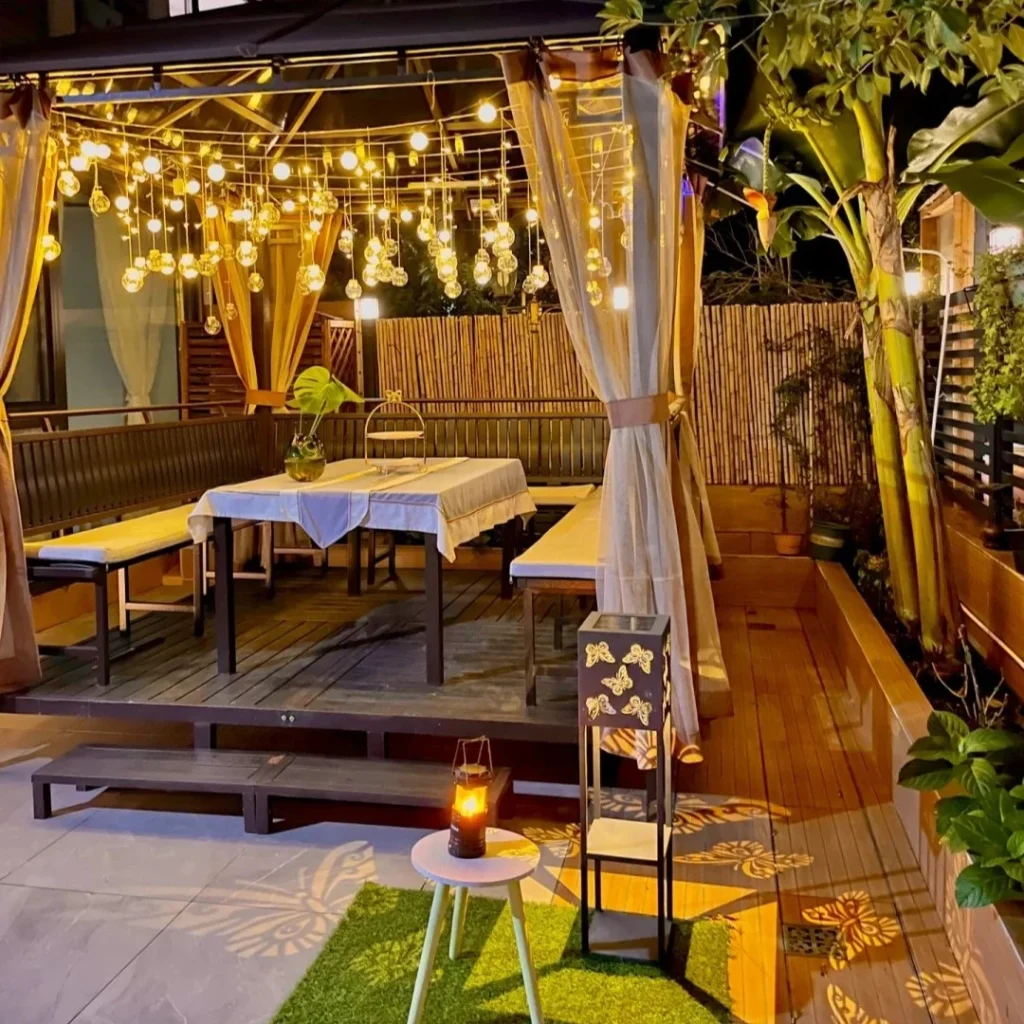
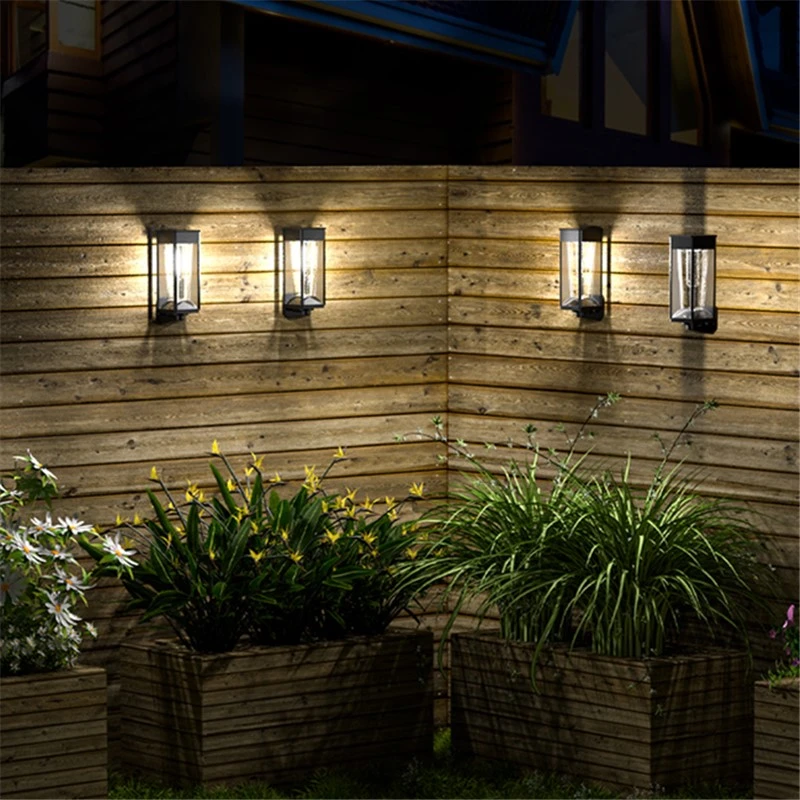
- Decorative lighting: Perfect for wrapping around trees, fences, or pergolas to create a festive ambiance for events or holidays.
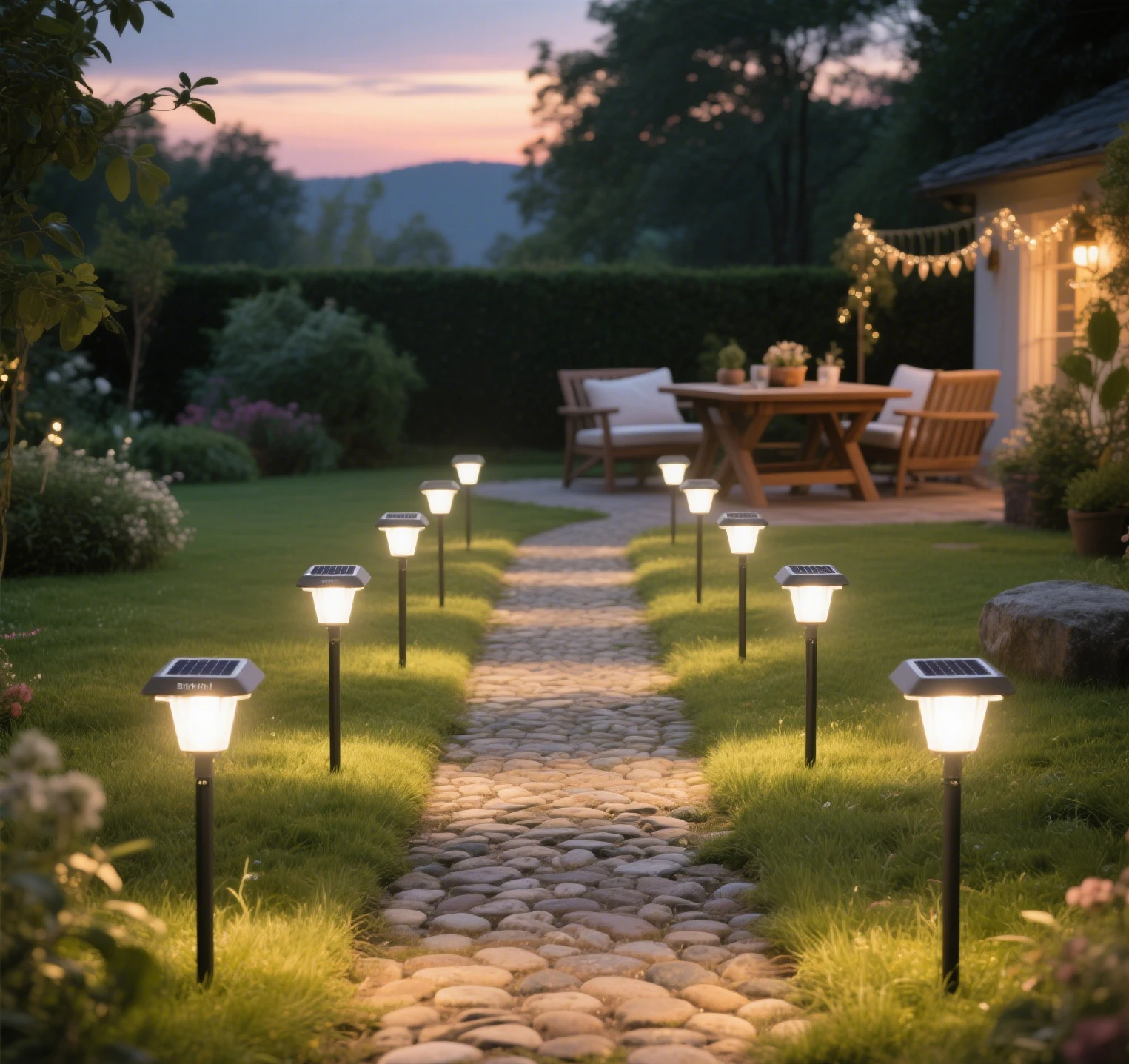
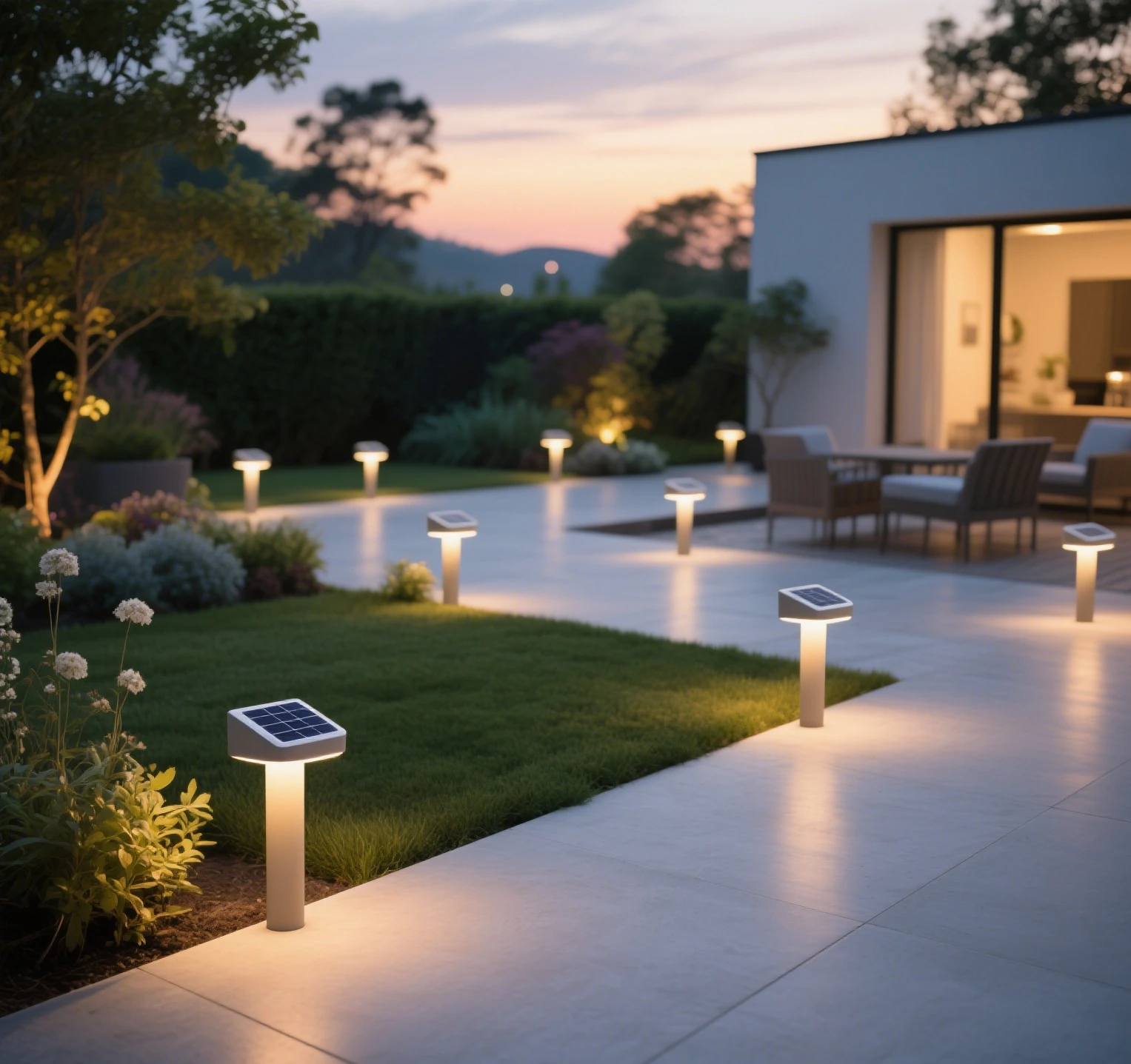
- Pathway illumination: Use them to line walkways or garden paths for safe, energy-efficient lighting.
- Indoor use: Some models can be charged near windows or via USB for indoor decor, such as in sunrooms or during power outages.
- Eco-friendly choice: By relying on solar energy, these lights reduce energy costs and environmental impact.
Conclusion
When only half of your string solar lights are working, the issue often stems from faulty connections, insufficient battery charge, damaged LEDs, or solar panel issues. By systematically troubleshooting—checking the panel, battery, wiring, and photoreceptor—you can often restore full functionality. Regular maintenance, such as cleaning the panel and replacing batteries, can prevent future problems. With proper care, solar-powered string lights provide a reliable, eco-friendly way to enhance your outdoor spaces, ensuring years of beautiful, sustainable outdoor lighting.
Leave a Reply